Kathmandu
Saturday, June 13, 2026





The purpose of art is to wash the dust of daily life off our souls.
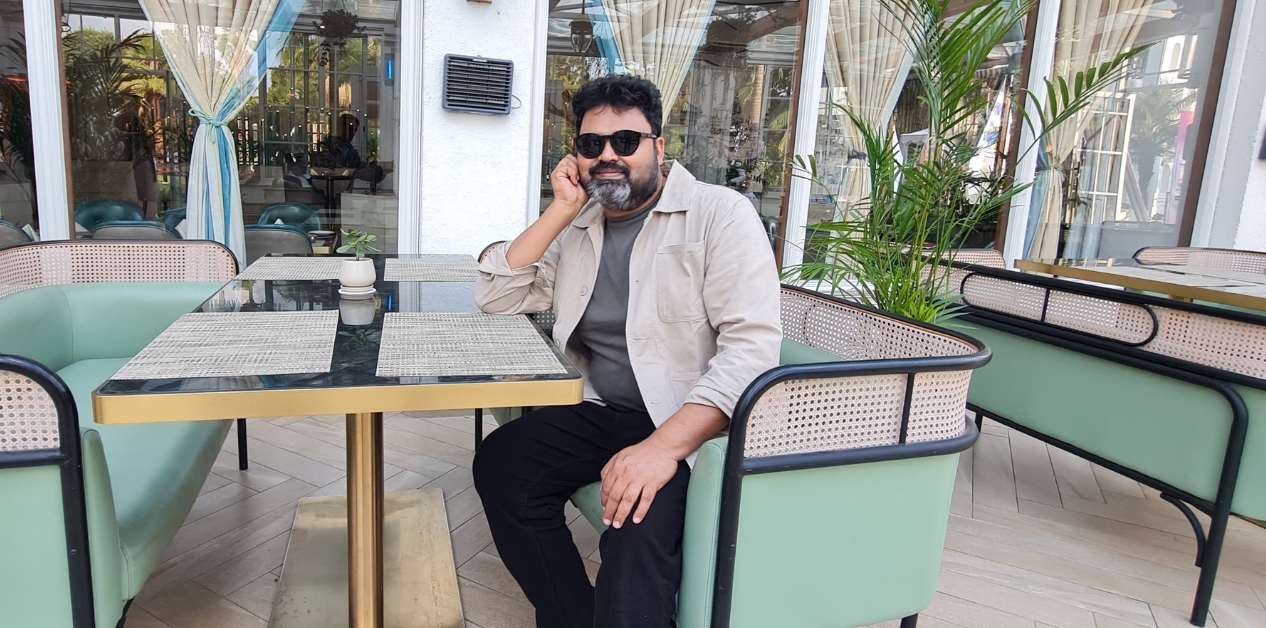
KATHMANDU: Raj Shekhar is one of contemporary Bollywood’s most successful and popular lyricists. Dozens of his tracks—including “Pehle Bhi Main”, “Yoon Hi”, “Jaane De”, “Aise Kyun”, “Papa Meri Jaan”, “Ghani Bawri”, “Rangrez Mere”, “Tum Ho To”, and “Tabahii”—are celebrated by Nepali listeners just as passionately as they are in India. Having collaborated with a vast array of veteran and contemporary Indian singers and composers, Raj Shekhar’s career continues to scale new heights.
Believing that as Indian cinema expands its horizons to tell the stories of women, minorities, and social diversity, songs too have begun reflecting the nuances and perspectives of these characters, Raj Shekhar visited Kathmandu last week to participate in the Kathmandu Kalinga Literary Festival.
Presented below is a conversation between Raj Shekhar and Prabhakar Gautam for Nepalnews, touching upon Bollywood songwriting, literature, and cinema:
This is your second time in Kathmandu. How do you feel about this city?
Kathmandu became a personal favorite during my very first visit in 2022. I was deeply captivated by its weather, climate, and the sheer warmth of its people. However, back then, I didn’t get a chance to visit heritage sites like Pashupatinath or Swayambhunath, nor could I explore Bhaktapur and Patan Durbar Squares. This time, I made it a point to visit those places. It is spectacular to see how beautifully history has been preserved in Bhaktapur and Patan. The daily rhythm of people there—laughing, sharing meals, and snapping photos freely amidst ancient backdrops—feels incredibly vibrant!
I also truly realized that Kathmandu is a culinary paradise. I had tasted momos before, but this trip gave me the chance to enjoy authentic Thakali khana, Chatamari, and various Newari delicacies. I found Chatamari absolutely delicious, and the Nepali tomato pickle is remarkably flavorful.
There is also a specific Nepali word that I have grown particularly fond of: “Hajur.” It sounds so affectionate, gentle, and respectful.
I find myself deeper in love with this city than before. There is still so much left to explore. In the future, I genuinely hope to collaborate on projects that bridge the musical, artistic, and literary worlds of our two regions.
Being born in Bihar, a state sharing a border with Nepal, what was your perception of Nepal while growing up?
Yes, my birthplace is Madhepura in Bihar, a rural town located quite close to the Nepali border. I grew up listening to songs broadcasted over Akashvani Radio. A bit later, televisions made their way into our village. Our local setups could actually catch Nepal Television; we just had to physically rotate the antenna toward the direction of Nepal. Nepal Television used to broadcast the Ramayan, and beyond the main programming, even the Nepali commercials were incredibly fascinating to us. I still remember the catchy jingle: “Ra-Ra-Ra-Ra Ra-Ra, mitho bhancha saara” (Ra-Ra, everyone calls it delicious).
Once, my brother and I skipped school and traveled through Karjain to reach the Rajbiraj bazaar in Nepal. It was during that trip that I bought my very first packet of Rara noodles. Memories of buying a green school bag, Goldstar shoes, and a Hero pen from Nepal are still pristine in my mind.
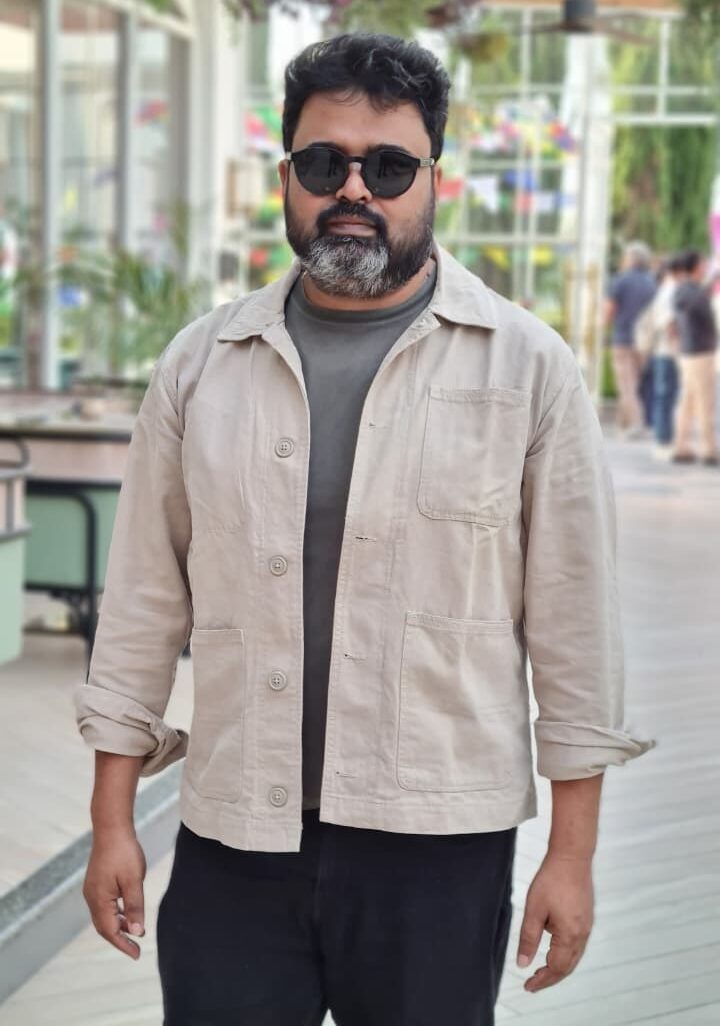
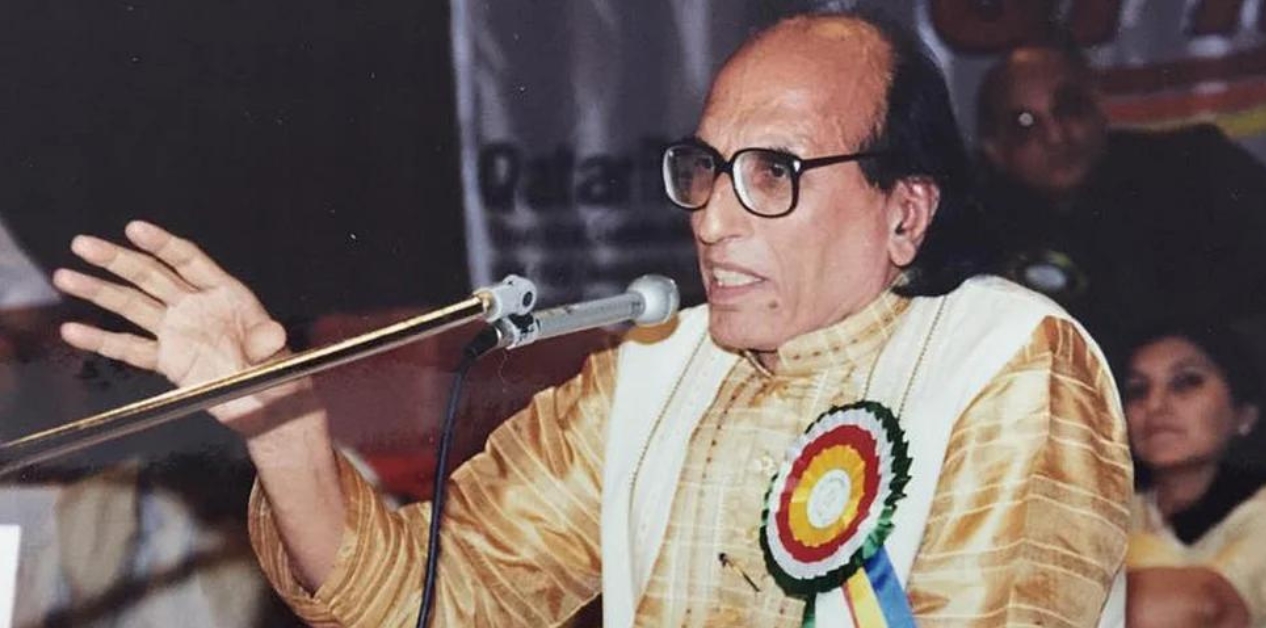
Raj Shekhar. Photo: Prabhakar Gautam
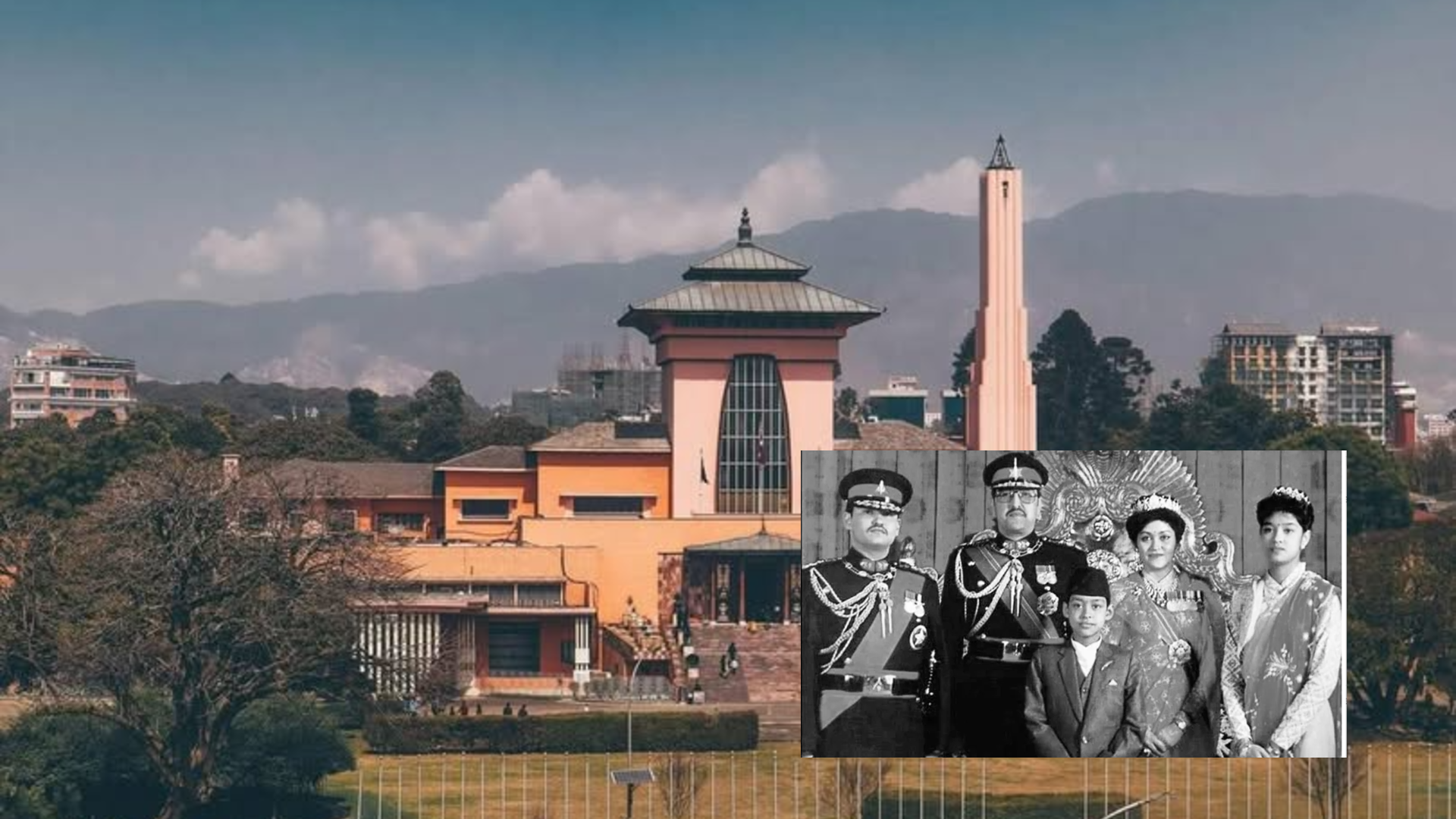
Speaking of Nepal, I also distinctly remember our entire village falling into deep mourning when news of the Royal Palace Massacre broke out. We didn’t know the members of the royal family personally, but that tragedy deeply saddened people across the border. Growing up in a border region meant sharing immense geographical and cultural commonalities. Because of that shared thread, I have never looked at Nepal as a foreign land.
I had visited places like Biratnagar and Kakarbhitta multiple times in the past. Now, getting the opportunity to come to Kathmandu for a literary festival allows me to understand Nepal and its people from an even closer vantage point. The hospitality and warmth here continue to charm me.
Today, you are a renowned lyricist in Bollywood. Did you always harbor dreams of becoming a songwriter or author? When you moved from Bihar to Bhagalpur, then to Delhi University, and finally to Mumbai, what was your ultimate life goal?
Like most typical families in Bihar, my parents wanted me to pursue engineering or medicine. Barring that, their baseline wish was for their son to clear the UPSC exams. However, I went against the grain and attended Delhi University to study humanities. Even though I didn’t have a crystal-clear career blueprint, cinema had always magnetized me. Driven by that passion, I started out as a clapper boy on the film Home Delivery. Later, I worked as an assistant director on Tanu Weds Manu. To be perfectly honest, by the time I transitioned from Delhi to Mumbai, I didn’t even know exactly why I was moving there.
Where was the lyricist inside you hiding up until that point?
I used to write poetry, certainly. But the professional lyricist within me hadn’t been born yet.
Is that why you frequently refer to yourself as an “accidental” lyricist?
Precisely. I never drew up a grand blueprint to become a lyricist. Perhaps it was the songs that were quietly chasing me instead. Sometimes, you walk without a set path and stumble into a destination you never anticipated. That is exactly how my life unfolded.
I was working hard as an assistant director on Tanu Weds Manu. Circumstances arose where I had to pen dummy lyrics for a track. The director liked them so much that those very lines were locked in for the final cut.
Tracks from your very first film, like “Yoon Hi” and “Rangrez Mere”, turned into massive hits. What did that sudden taste of success feel like?
In reality, I was a pretty terrible assistant director. At a time when I was struggling immensely to prove my worth, the success of those songs made me feel like I had finally found what I was searching for.
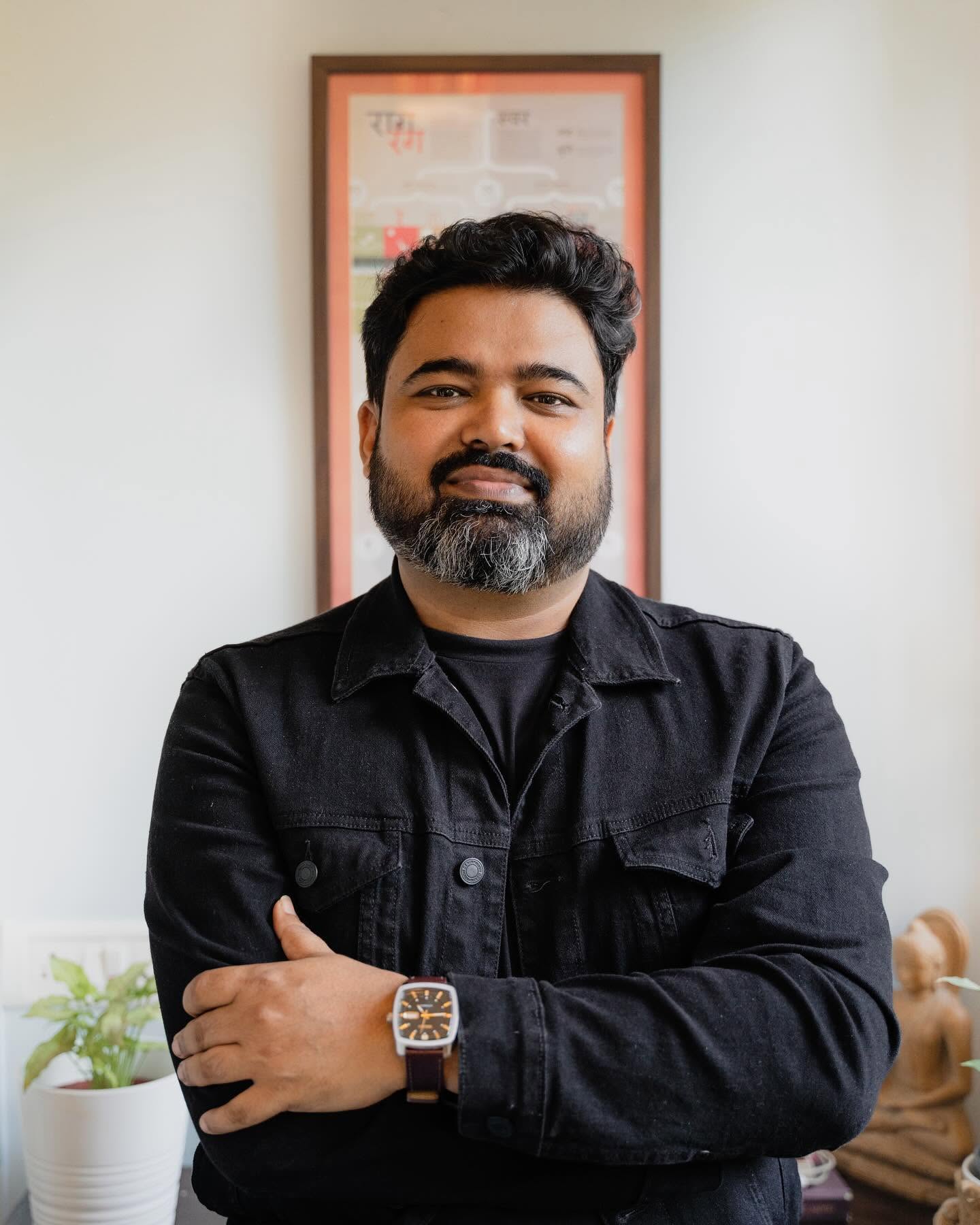
Raj Shekhar. Photo: Shekhar’s Facebook
Suddenly, people began recognizing me, initiating conversations, and showering me with feedback. For the first time, it hit me: “Wow, this is a beautiful profession.” The validation was intoxicating. I was enjoying it thoroughly, and I was even getting a lot of compliments from girls! Success has a way of revealing your true desires to you. Writing lyrics stopped being a casual hobby and evolved into an absolute passion.
How challenging was the journey to establish a distinct, independent identity as a lyricist?
In this day and age, carving out an independent identity as a lyricist is no walk in the park. In the film industry, audiences naturally remember the actors or the vocalists, while the lyricist’s name often flies under the radar.
However, I consider myself incredibly fortunate. I got opportunities to write songs for visionary directors, brilliant writers, and deeply written characters. Most importantly, I crossed paths with composers who truly respected the weight and emotion behind words. Consequently, the audience embraced my tracks. It takes time, but when listeners truly accept your creation, it is a deeply gratifying experience.
What does it actually mean to have a hit song in Bollywood?
Many people assume that because Raj Shekhar’s debut tracks were hits, everything became a breeze. But my actual struggle began after that initial success. Following my first film, I didn’t land any meaningful work as a lyricist for three consecutive years.
Before the songs of Tanu Weds Manu took off, I was constantly getting reprimanded as an assistant director because things weren’t panning out. Once the tracks became hits, the initial six months were an absolute whirlwind of praise. I was riding high. I was receiving invitations from major media houses and elite literary festivals. The messages from female fans were endless. I soaked it all in because everything felt flawless. No matter where I went—whether it was the radio, television, public events, or just walking down the street—my songs were playing.
But that fame and buzz completely vanished within six months. The money dried up, and people stopped reaching out altogether.
Eventually, I started writing television dialogues just to pay the bills. But during that dry spell, one thing became crystal clear: I was going to stick to being a lyricist, no matter what. The creative high and the recognition that music brought had already won me over.
What did that three-year drought teach you?
Those three years taught me the invaluable lesson that fame is entirely fleeting. That phase anchored my feet firmly to the ground. I remember a time when I used to dream of winning awards; I had even gotten a custom suit tailored specifically for an awards night. As it turned out, my work wasn’t even nominated.
After a brief period of disappointment, I realized that awards, fame, and adulation are purely temporary. They are here today and gone tomorrow. Because of that reality check, I no longer treat any professional milestone as an absolute or permanent truth. Today, I don’t harbor an unhealthy attachment to praise, popularity, or trophies. Those three years matured me deeply.
You call yourself an accidental lyricist, yet your craftsmanship consistently bridges the gap between mass appeal and critical acclaim. Does your writing draw inspiration from veteran lyricists or literary figures?
To understand the rural fabric of the society I grew up in, I deeply immersed myself in the works of Phanishwar Nath ‘Renu’. However, I am most profoundly influenced by Premchand. Having spent my childhood in a village, his characters, their daily battles, their poverty, their dreams, and their life trajectories felt exactly like the world surrounding me.
Poets like Suryakant Tripathi ‘Nirala’, Kabir, and Amir Khusrau vastly expanded my worldview. The Chilean poet Pablo Neruda also left a profound impact on my sensibilities.
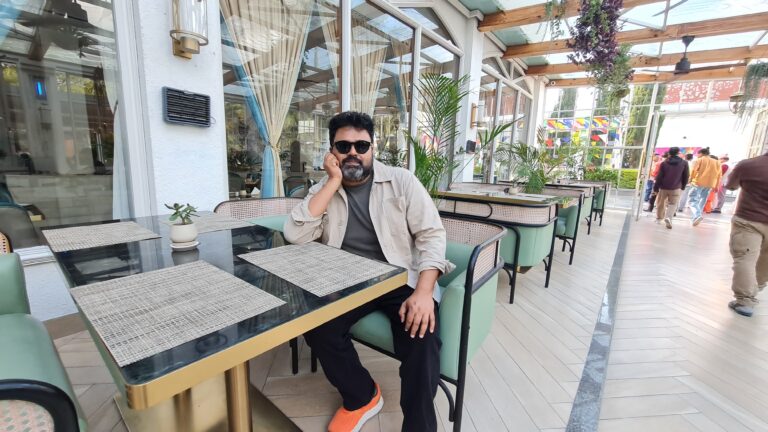
Raj Shekhar. Photo: Prabhakar Gautam
Among lyricists, I closely studied the work of legends like Shailendra, Majrooh Sultanpuri, and Gulzar. That being said, I prefer not to label myself as a writer molded under anyone’s specific shadow. I love them more as an ardent reader and listener rather than viewing them strictly as instructors. I enjoy their craft and derive immense pleasure from it. The degree to which their style reflects in my writing is a judgment best left to the readers.
Those literary masters taught me that literature isn’t just about dressing up thoughts in beautiful vocabulary; it is about honestly mirroring human emotion, the era you live in, and society.
I don’t read simply to learn how to write songs; I read to comprehend the world. Songs, ultimately, are born from lived experiences. If your experiential horizon is narrow, your writing will reflect that limitation. The broader your reading and observation, the greater the depth in your lyrics.
What is your creative process when writing a song? How involved are you throughout the journey up until the final recording?
When tracking lyrics for a film, my absolute starting point is the character. If you can intimately empathize with the character, the distance between the writer and the persona completely evaporates. The song must never feel like it belongs to me; it must belong entirely to the character. I temporarily dissolve my own identity and become that character. Having a background in theater makes this process of embodying a persona incredibly enjoyable for me.
I try to unpack everything: Who is this character? What are they feeling at this exact moment? What is their socioeconomic background? What is their internal rhythm and dialect?
I pore over the script to grasp their age, psychological state, and underlying mood. Then, I brainstorm how to use music to give a voice to things the character desperately wants to say but cannot articulate. As a lyricist, that is my primary responsibility.
People often ask me: Does the lyric come first, or is the melody composed first? It works both ways. Sometimes a melody arrives first, sometimes the words do. On certain occasions, a single passing phrase can birth an entire track. Conversely, there are months where absolutely nothing comes to mind. Then, out of nowhere, a bus ride, a conversation at a tea stall, a snippet of dialogue, or a distant memory will spark a song.
I always carry a notebook with me and constantly jot down thoughts on my phone. I pay close attention to how everyday people converse, the specific words they choose, and how they project their emotions. Art, after all, is a mimicry of life.
When penning lyrics to a pre-composed tune, I listen to the melody 20 to 50 times on loop. I make it a point to be physically present from the initial recording sessions right down to the final mixing stage. I engage in constant dialogues with the director, composer, and vocalists. I keep a close eye on whether the singers are pronouncing the words precisely and whether the emotional delivery feels authentic. From the initial acoustic sound to the final visual framing on screen, I stay connected to the track.
How vital is the role of words in creating a genuinely meaningful song?
There is a widespread misconception surrounding how a song comes together. Many believe that the melody is the sole centerpiece of a track. Don’t get me wrong, the melody is incredibly vital. But if a melody provides the raw emotion, words give that emotion a physical body. A melody is abstract; words make it tangible. A melody sets the mood or the atmospheric texture, but words infuse it with definitive meaning. Therefore, a lyricist’s main job is to anchor and give direction to that abstract feeling.
From the era of your favorite lyricist, Shailendra, to the present day, music has undergone seismic shifts due to technology and changing times. What is the most prominent transformation you’ve observed?
The most significant evolution has occurred within language itself. The vocabulary of our society has shifted, and naturally, the language of our songs has evolved alongside it. This is an entirely organic process. The way today’s youth express themselves and converse must be reflected in contemporary lyrics. And it is happening.
If we try to write songs today using the exact linguistic templates of 50 years ago, it will end up sounding entirely artificial. I do not view simple, accessible language as a creative weakness. In fact, writing simply is far more difficult. The language that successfully pierces straight through to a person’s heart is almost always fundamentally simple.
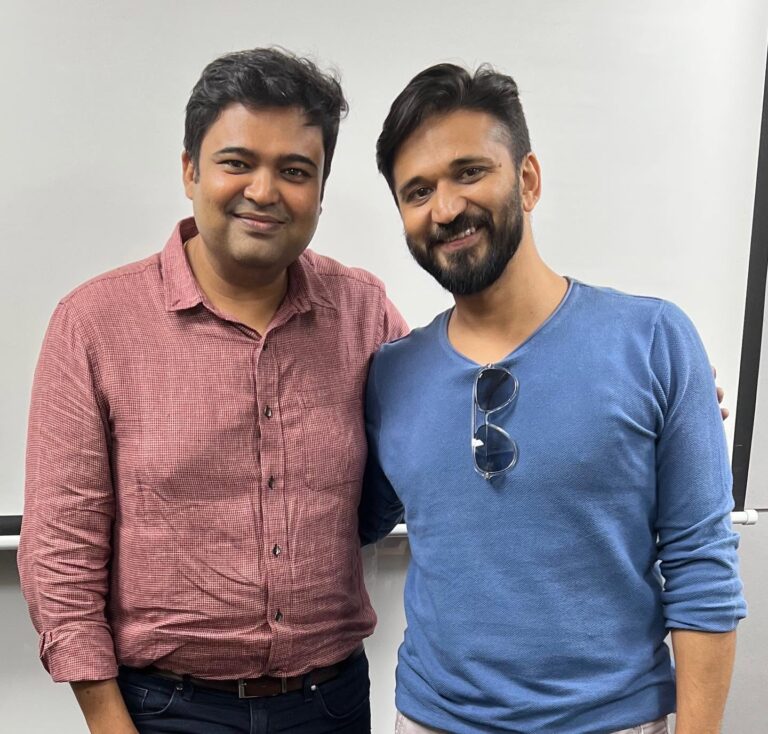
Raj Shekhar with composer Amit Trivedi (right). Photo: Shekhar’s Facebook
Technology has also radically transformed the music business structure. Previously, everyone—the musicians, lyricists, singers, and directors—had to physically gather in a single studio recording room. Today, a vocalist can record their portion in America, the composer can operate out of Chennai, and the lyricist can coordinate from Mumbai. While this offers incredible logistical convenience, certain intangible elements get lost along the way. The profound, underlying meaning of a song is ironed out much better during face-to-face creative friction. Sometimes, that magic gets diluted when files are simply passed back and forth digitally.
Furthermore, Bollywood is currently undergoing a massive transitional phase. Films are embracing diverse narratives, diving deep into small-town realities, exploring female-centric perspectives, and addressing social taboos that were historically swept under the rug. This introduces a fresh layer of creative challenges for lyricists.
Love songs have always existed and will continue to exist, but modern tracks aren’t limited to romance alone. Themes like complex interpersonal relationships, identity crises, personal freedom, mental health, and women’s empowerment are actively weaving their way into commercial tracks. These shifts are natural and necessary.
Bollywood music continues to enjoy unparalleled global popularity across generations. What is its defining attribute?
Despite all these structural and stylistic shifts, one element remains absolutely permanent in India: the emotional impact of a song. Even today, a well-crafted song has the power to stir the human soul. People still turn to music to articulate their romances, grief, hopes, anxieties, and isolation.
Not everyone has the luxury or inclination to read dense, serious literature, nor does everyone have the time. However, a song effortlessly enters a person’s psyche in a matter of three to four minutes. Because of this, I firmly believe that today’s film songs are our modern folk music. They carry the everyday emotions, heartbreaks, hopes, and celebrations of the common man. This is precisely why their popularity endures across generations.
Yet, there is a recurring criticism that the quality of modern music has degenerated, lyrics have grown shallow, and the poetic magic of yesteryear is gone. Do you agree with this sentiment?
I look at it a bit differently. Every single generation harbors a natural bias to romanticize the past as a golden era while viewing their contemporary times as creatively bankrupt. Exceptional work is being produced even today. The only real difference is the sheer volume of content and the multiplicity of mediums. Historically, perhaps a hundred songs were produced; today, thousands are churned out. Naturally, because the volume is so high, the amount of mediocre content visible is also higher. But if you look closely, brilliant, soulful songs are still being written in abundance.
What are the challenges of creating meaningful lyrics within Bollywood’s highly competitive, commercially driven ecosystem while balancing business with artistic integrity?
When I sit down to write, I actively try to switch off the thought that I am writing strictly for a commercial blockbuster. To me, a song isn’t merely a vehicle for mindless entertainment; it is a profound social responsibility. I am constantly mindful of that.
Social awareness doesn’t always need to be delivered via loud, explicit political slogans; it can be quietly nested within a gentle love song. For instance, my track “Yoon Hi” is fundamentally about respecting a woman’s rejection and autonomy. I view that as a crucial message for our society.Similarly, the song “Aasman” sung by Asha Bhosle for the movie Saand Ki Aankh is a track designed to inspire young women to break boundaries and live fiercely independent lives:
Aasmaan ooncha hai mera, tu hi choo lena
Mere saare sapne tere, tu hi jee lena.
(My sky is vast and high, go ahead and touch it yourself,
All my dreams belong to you, go ahead and live them fully.)
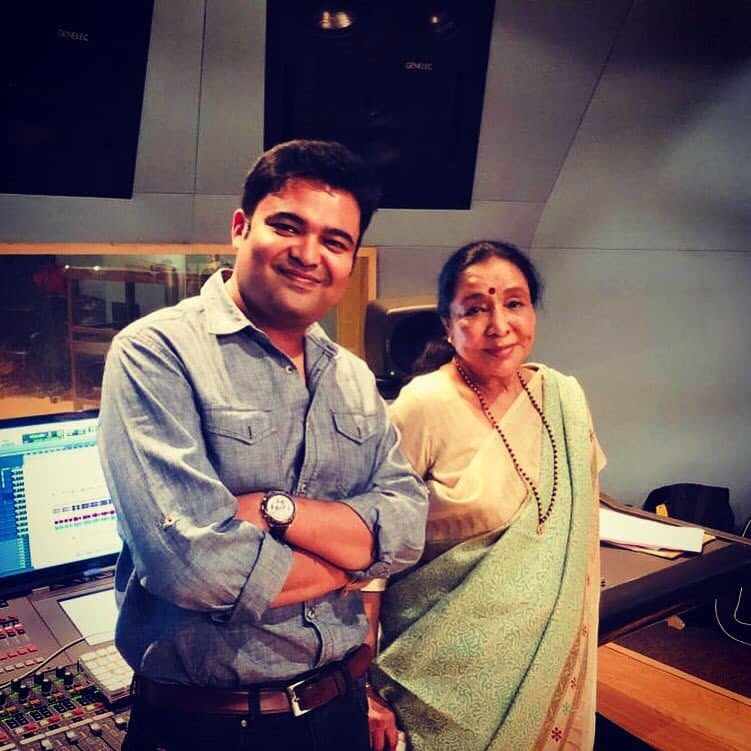
Raj Shekhar with the legendary singer Asha Bhosle. Photo: Shekhar’s Facebook
These are just a few examples. This is how I actively carve out space for meaningful, conscious writing within Bollywood’s hyper-commercial machinery, and I believe fellow lyricists are doing the same. Songs converse directly with the masses. You cannot lecture people through a track, but you can certainly sow seeds of inquiry and awaken their latent sensitivities.
Sometimes, the real-world impact of my lyrics catches me completely off guard. One day, I received a message from a father living in America. His son was battling severe mental health challenges. The father shared that the boy would routinely experience intense episodes of screaming and breaking household objects, but whenever my song was played, he would instantly calm down. The boy would even sit quietly and discuss the deeper meaning of the lyrics.
After reading that message, I sat in complete silence for a very long time. It taught me to look at the raw power of songwriting through an entirely new lens. It made me even more vigilant about my craft: Are my lyrics inadvertently promoting vulgarity? Am I glorifying violence? Am I pushing out a message that could steer a vulnerable mind down a dark path?
I don’t write simply to chase viral fame, amass wealth, or indulge in self-gratification. I obsess over these finer details because a song reaches millions of ears. Pablo Picasso famously remarked that the purpose of art is to wash the dust of daily life off our souls. I believe that is exactly what a song should do.
Hence, I don’t look at myself as some grand, elite artist; I see myself as a simple storyteller. Even today, whenever I sit down to write a fresh track, I ask myself: Will this piece of writing add a sliver of light to the life of the person listening to it?
My singular desire is to keep writing good music. I want to remain perpetually curious, protect my emotional sensitivity toward the world, and ensure that my connection to my agrarian, farming roots remains unbroken. I want people to anchor my songs to their own life journeys, so that even if someone listens to a track ten years down the line, they can still find their own personal story beautifully mirrored within it.
Following your chart-topping success with blockbusters like Animal and Saiyaara, your popularity has skyrocketed, and you are consistently winning prestigious awards. What are your future plans and creative dreams?
In the Indian film industry, delivering a singular hit is never enough. A successful track offers absolutely zero guarantees for your next venture. With every single song, you have to roll up your sleeves and start all over again from absolute zero.
I am acutely aware that I didn’t walk this path alone to get to where I am today. I crossed paths with phenomenal directors who knew how to tell an authentic story. I worked with creative writers who breathed life into unforgettable characters. I teamed up with masterful composers who fiercely guarded the soul of my words. Most importantly, I have been blessed with an audience that showers me with unconditional love and integrates my tracks into the fabric of their daily lives. Success is never a solitary achievement.
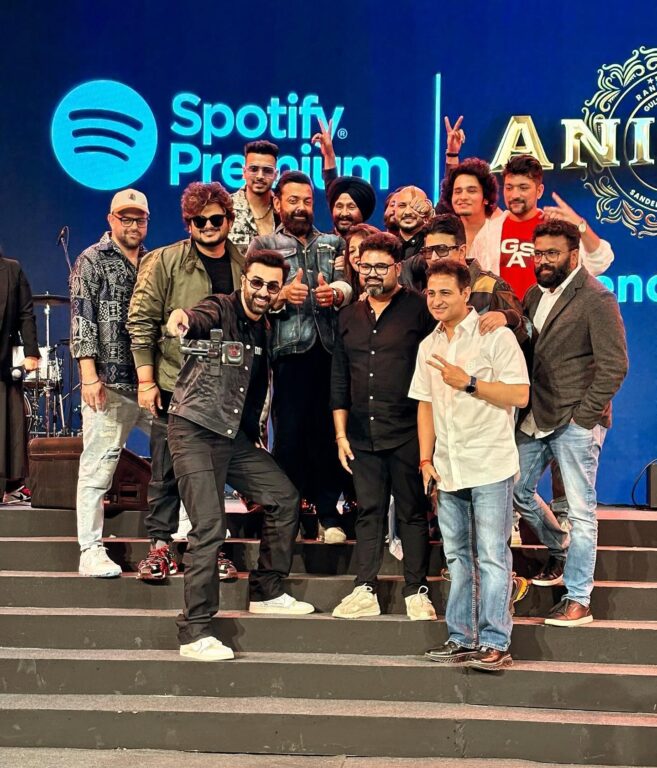
Raj Shekhar with the team of the Hindi film Animal (second from the right in the front row). Photo: Shekhar’s Facebook Page
My dream of collaborating with Bollywood’s finest vocalists has largely been fulfilled. I have had the privilege of working with powerhouses like Arijit Singh, Shreya Ghoshal, Sonu Nigam, Vishal Mishra, and the legendary Asha Bhosle. If I could somehow turn back the hands of time, my ultimate dream would be to pen lyrics for Mohammed Rafi and Lata Mangeshkar.
I also harbored a deep wish to write a track for Ranbir Kapoor, which has happily been checked off. Now, my burning ambition is to write a song that will be picturized on Shah Rukh Khan. There have been countless times where I have muted the audio of Shah Rukh’s iconic tracks just to hum my own written words over his expressions on screen!
Currently, I am also serving as the General Secretary of the Screenwriters Association (SWA) of India. Steering an institution that was historically built by titans like Shailendra, Sahir Ludhianvi, Majrooh Sultanpuri, and Khwaja Ahmad Abbas is a matter of immense personal pride for me. We work tirelessly to protect the rights, royalties, and welfare of writers across various Indian languages.
On that note, I firmly believe that Nepal also requires robust institutional empowerment for its local writers and lyricists. For cinema to scale global heights, the writer must be empowered. The core narrative must be bulletproof. The songs must be powerful.