Kathmandu
Tuesday, June 16, 2026





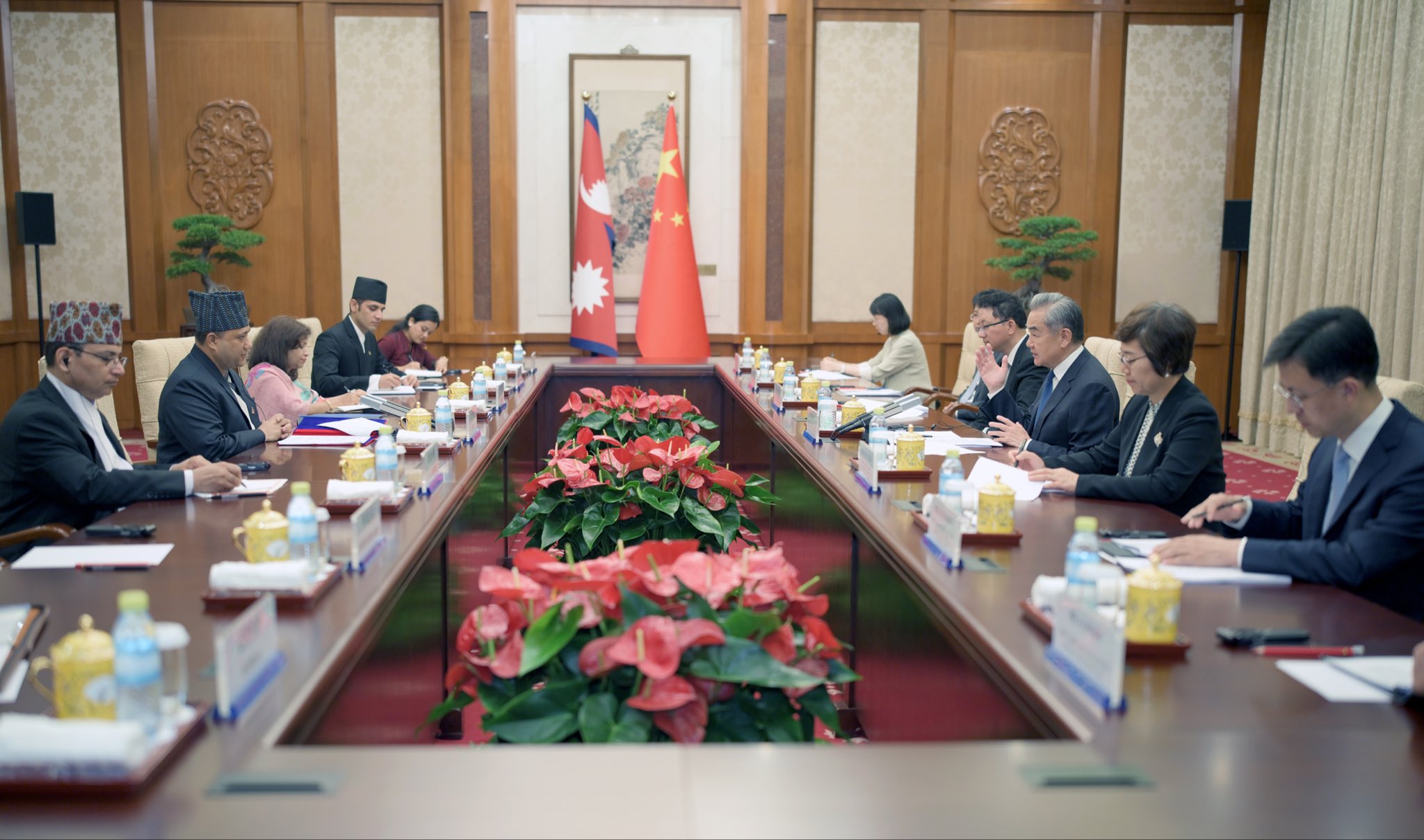
KATHMANDU: Nepal now has a government with a near two-thirds majority, led by the Rastriya Swatantra Party under Balen Shah. But electoral strength has not translated into external clarity. In foreign capitals, the question is no longer how strong the government is, but where it intends to steer Nepal’s foreign policy.
Nowhere is this hesitation more visible than in Beijing. Chinese officials, by most accounts, remain unsure about the foreign-policy instincts of Kathmandu’s new leadership and how reliably past commitments will be honored. In response, reassurance has become a diplomatic priority for Nepal.
That explains the timing of Foreign Minister Shishir Khanal’s visit to Beijing, arriving just a week after his trip to India. In Chinese eyes, Nepal’s shifting political landscape-shaped in part by a Gen Z-driven upheaval-has made the government harder to read. Trust, accordingly, is still in formation. Implementation of earlier agreements has been uncertain.
Foreign minister Khanal’s meetings in Beijing, including nearly five hours (former and dinner) of discussions with his Chinese counterpart Wang Yi, covered a familiar spectrum: security sensitivities, infrastructure cooperation, development finance and strategic alignment. Nepal reiterated its pledge to address China’s concerns; China reiterated its willingness to support Nepal’s development priorities.
This is the familiar test of Nepalese foreign policy: relations with neighbors as the first proof of strategic credibility. If trust holds, domestic political stability can translate into external opportunity. If it does not, it quickly becomes another cycle of hesitation.
The value of foreign minister Khanal’s visit, then, lies less in agreements signed than in ambiguity reduced. For Beijing, it is a chance to decode Nepal’s new political order. For Kathmandu, it is a chance to signal continuity amid change. No breakthroughs are expected immediately. The aim is more modest: to restore a baseline of trust between a cautious power and a newly reconfigured political class still proving it is predictable.
Why China is nervous about Nepal
For much of the past two decades, China approached Nepal with a rare degree of strategic confidence. Governments to regimes in Kathmandu rose and fell, but the fundamentals remained intact: adherence to the One China policy, tight control over Tibetan political activism, and a political establishment dominated by parties with which Beijing had cultivated deep institutional ties.
The real constraint is not rhetoric but delivery. The Belt and Road Initiative, signed in 2017, remains largely aspirational in Nepal. Nearly a decade on, flagship projects are still more promise than progress.
That certainty has evaporated. The Gen Z uprising of September 2025 swept away Nepal’s traditional political order, while the March 2026 election further marginalized the communist forces that had long served as Beijing’s most familiar interlocutors. In their place emerged a new political class of RSP and Balen Shah that China neither helped shape nor fully understands.
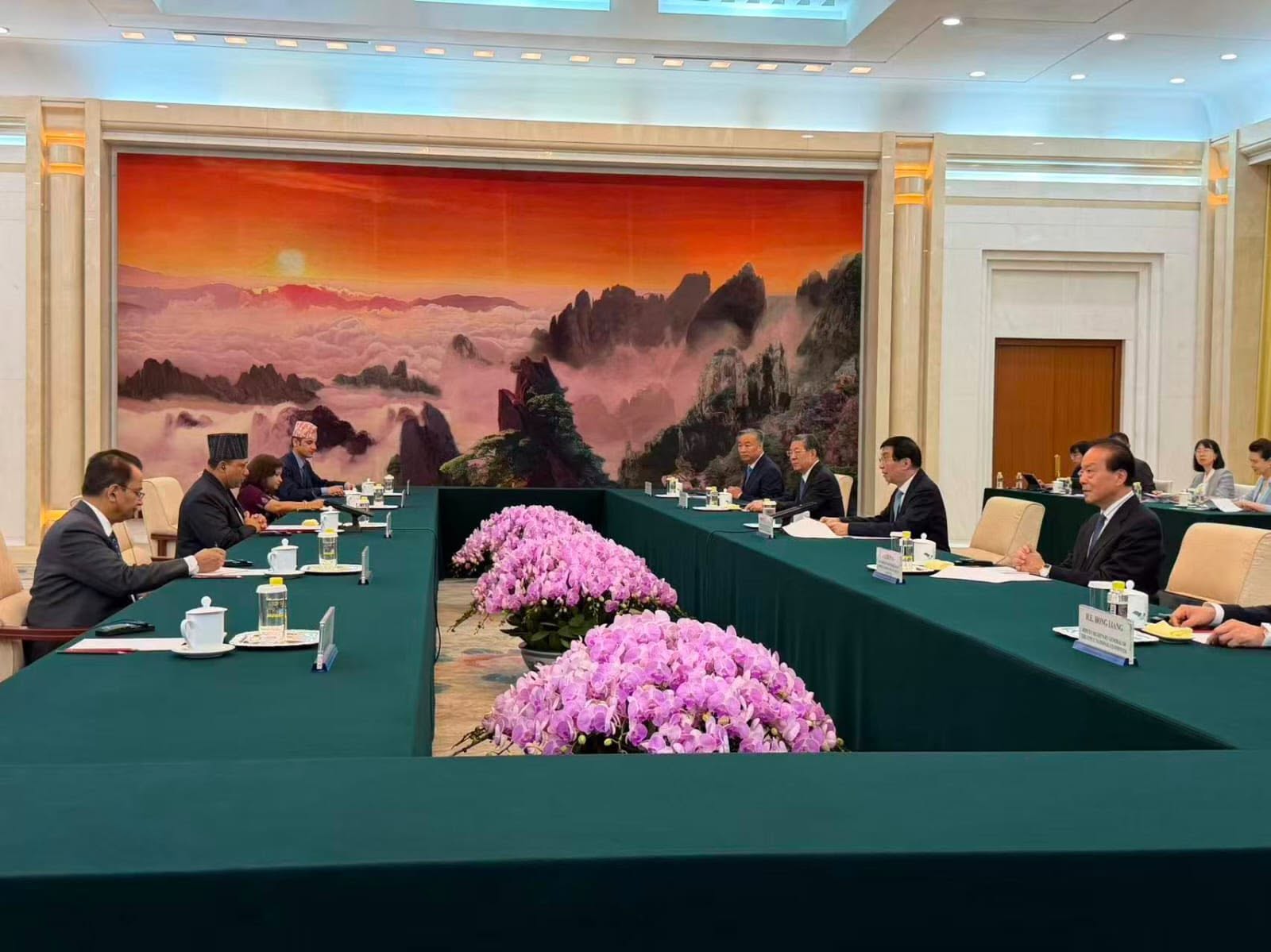
For Beijing, the challenge is not hostility but ambiguity. China has few of the trusted political channels it once enjoyed, limited access to the new centers of power, and growing uncertainty over Kathmandu’s intentions. Nepal remains friendly with China and not change the traditional diplomatic principle, but it has become less predictable or confusion in perceptions. And for a power that prizes political certainty on its Himalayan frontier, unpredictability can be unsettling.
The result is a relationship entering unfamiliar territory. China is no longer managing a known partner; it is trying to decipher a new Nepal.
Foreign Minister Shishir Khanal’s recent visit to Beijing was officially framed as a routine diplomatic engagement. Yet beneath the cordial language, infrastructure pledges and declarations of friendship lay a more consequential reality: China is attempting to understand a Nepal that it no longer fully recognizes.
The emergence of the RSP-led political order, the rise of Prime Minister Balendra Shah, the aftershocks of the Gen Z uprising, growing American engagement, and the uncertain future of Belt and Road Initiative (BRI) projects have collectively produced a strategic ambiguity that is making Beijing uncomfortable.
The central question facing Chinese policymakers is deceptively simple: What exactly does the new Nepal want?
Beijing’s shock of Gen-Z protest
China’s anxieties did not begin with the current government. They began with the collapse of the previous one. Before the Gen Z uprising, Nepal-China relations to be moving along a very predictable trajectory. Infrastructure cooperation was expanding. BRI implementations were advancing. Political communication channels were functioning normally. Beijing had developed deep institutional relationships with Nepal’s traditional political establishment, particularly communist forces that had dominated the country’s political landscape for years.
Then the political ground shifted.
The protests that ultimately forced Prime Minister K.P. Sharma Oli from power came shortly after his return from China. From Beijing’s perspective, the timing was unsettling and very humiliating way. A government considered reliable suddenly collapsed. A political movement largely outside traditional party structures emerged. The assumptions underpinning China’s Nepal strategy were suddenly called into question.
More troubling for Beijing was the appearance of Tibetan-linked activism during the protests and the unusual congratulatory messages sent by representatives of the Tibetan government-in-exile to Nepal’s interim leadership after the political transition.
Individually, neither development fundamentally threatened Chinese interests. Collectively, however, they triggered alarm bells in Beijing. China’s leadership has spent decades viewing Tibet primarily through a security lens. Any political uncertainty in Nepal immediately becomes a Tibet question. Every change in Kathmandu is assessed not merely as a domestic political event but as a potential variable affecting stability across the Himalayan frontier.
The issue was never the congratulatory messages themselves. The issue was what they appeared to symbolize: uncertainty.
The Tibet question never disappears
No issue occupies a more sensitive place in Nepal-China relations than Tibet. For more than six decades, Nepal has carefully balanced humanitarian obligations toward Tibetan refugees with strict restrictions on political activism. Successive governments, regardless of ideology, have maintained this equilibrium because it aligns with Nepal’s broader strategic interests.
Nepal always avoids confrontation with its powerful northern neighbor China on Tibetan refugee issue. China gains confidence that anti-Beijing political activities will not emerge from Nepali territory.
Yet from Beijing’s perspective, enforcement matters as much as policy. Chinese officials understand that no major Nepali political force in Nepal is likely to abandon the One China policy or same diplomacy whoever in the power. Their concern is more nuanced. They worry that weak enforcement, administrative ambiguity, or political hesitation could gradually create space for activities they regard as threatening.
This explains why Beijing remains attentive to debates surrounding Tibetan refugee documentation, refugee rights and political freedoms.
It also explains why Chinese policymakers continue scrutinizing personnel appointments within Nepal’s security apparatus and Home Ministry. China does not simply seek policy commitments. It seeks confidence that those commitments will be implemented consistently.
The American variable
Yet Tibet is no longer China’s only concern. Increasingly, Beijing’s attention is turning toward the expanding American footprint in Nepal. The concern is not merely diplomatic. It is technological also.
A series of high-level American visits since the formation of the current government has reinforced Chinese perceptions that Washington is devoting greater strategic attention to Nepal. On their own, diplomatic visits are unremarkable. Great powers routinely engage smaller states.
What is attracting Chinese scrutiny is the nature of that engagement. The testing of American cargo drones in the Everest region, for example, represents more than a commercial experiment. Nepal’s unique geography makes it one of the world’s most valuable laboratories for high-altitude technological testing. The same terrain that attracts climbers also attracts engineers, military planners and technology developers.
For China, whose Tibetan plateau lies immediately beyond Nepal’s northern frontier, such developments inevitably attract attention. The symbolism is difficult to ignore. Chinese drones are already operating in the Everest region. American firms are now testing competing technologies in the same environment. A global technological rivalry increasingly visible in semiconductors, artificial intelligence and telecommunications is beginning to manifest itself in the Himalayas. Nepal is becoming a testing ground-not only for technology, but for influence.
The Starlink dilemma
Nothing illustrates China’s unease with Nepal’s new political order better than Starlink. For years, Beijing quietly lobbied successive governments to block Elon Musk’s satellite internet venture, viewing it less as a commercial service than a strategic asset with implications for China’s Himalayan frontier.
Successive governments- from Sher Bahadur Deuba and Pushpa Kamal Dahal to K.P. Sharma Oli and the interim government leader Sushila Karki-faced sustained Chinese lobbying against the project’s approval in Nepal. Yet Beijing now confronts a different challenge. The rise of Prime Minister Balendra Shah has disrupted many of the political channels through which China traditionally communicated its concerns. Unlike previous administrations, the new government remains less familiar to Chinese policymakers and less embedded in long-established networks of influence. As China struggles to read Nepal’s new leadership, a decision on Starlink has become a test of whether Kathmandu’s strategic calculations are changing-or whether Beijing’s anxieties are overstated.
At first glance, the issue appears technical and regular business expand. Starlink promises satellite-based internet connectivity capable of reaching remote areas without extensive physical infrastructure. For a mountainous country like Nepal, the commercial appeal is obvious.
Yet geopolitics rarely respects technical boundaries. China views Starlink through a strategic lens. Beijing’s concerns extend beyond internet access into broader questions of data flows, communications infrastructure and technological sovereignty.
From China’s perspective, satellite networks controlled by an American company represent not merely a commercial service but part of a wider geopolitical ecosystem.
The dilemma for Nepal is complicated. On one hand, denying technological innovation purely because a neighbor dislikes it would undermine Nepal’s sovereign decision-making. On the other, small states cannot afford to ignore the legitimate security concerns of their immediate neighbors.
This is precisely the type of challenge that increasingly defines modern foreign policy. Infrastructure, technology and security have become inseparable. A decision about internet connectivity is no longer merely a decision about internet connectivity.
The BRI problem
If China’s first concern is security and its second concern is American influence, its third concern is implementation. Specifically, the implementation of BRI projects. Years after Nepal joined the initiative, progress remains uneven. A handful of projects have advanced, but many remain trapped between feasibility studies, financing negotiations and bureaucratic delays.
For Beijing, this is frustrating. The BRI was conceived not merely as a diplomatic framework but as a mechanism for delivering tangible infrastructure outcomes. Roads, railways, energy networks and trade corridors were supposed to transform regional connectivity.
Instead, Nepal’s BRI portfolio has become a study in inertia.
The Kerung-Kathmandu railway remains more vision than reality. Multiple infrastructure proposals continue moving at a pace measured in years rather than months. Political enthusiasm has consistently exceeded administrative execution.
China’s concern is not simply that projects are delayed. It is that Kathmandu has yet to clearly articulate where these projects fit within its broader development strategy. Governments change. Priorities evolve. Yet state-to-state agreements are expected to endure beyond electoral cycles. Beijing increasingly wants clarity. Does Nepal still regard the BRI as a strategic priority, or has it become merely another diplomatic slogan?
Understanding RSP
Two decades ago, after Nepal’s 2006 People’s Movement swept away the monarchy and propelled the Maoists to the center of power, Beijing found itself confronting an unfamiliar political force but confident to smooth engagement. Although the Maoists drew inspiration from Mao Zedong, China had maintained few meaningful links with them. For years, Beijing’s deepest relationships had been with Nepal’s monarchy, the Nepali Congress and the CPN-UML. The Maoists’ rise forced China to learn an new political landscape but not entirely surprising scenario.
Today, history appears to be repeating itself. The March 2026 election upended Nepal’s political order, pushing the traditional Congress and communist parties into the background while elevating the Rastriya Swatantra Party (RSP) and Prime Minister Balendra Shah. Yet unlike its long-established relationships with Nepal’s traditional political actors, Beijing has limited institutional familiarity with the country’s new centers of power. The result is a familiar sense of uncertainty.
China’s central question is no longer who governs Nepal, but how the new rulers think. Does the Balen government intend to deepen ties with China or keep Beijing at arm’s length? How does the RSP view China’s role in Nepal’s development? And can the political trust that Beijing once enjoyed with the old establishment be rebuilt with a new generation of leaders?
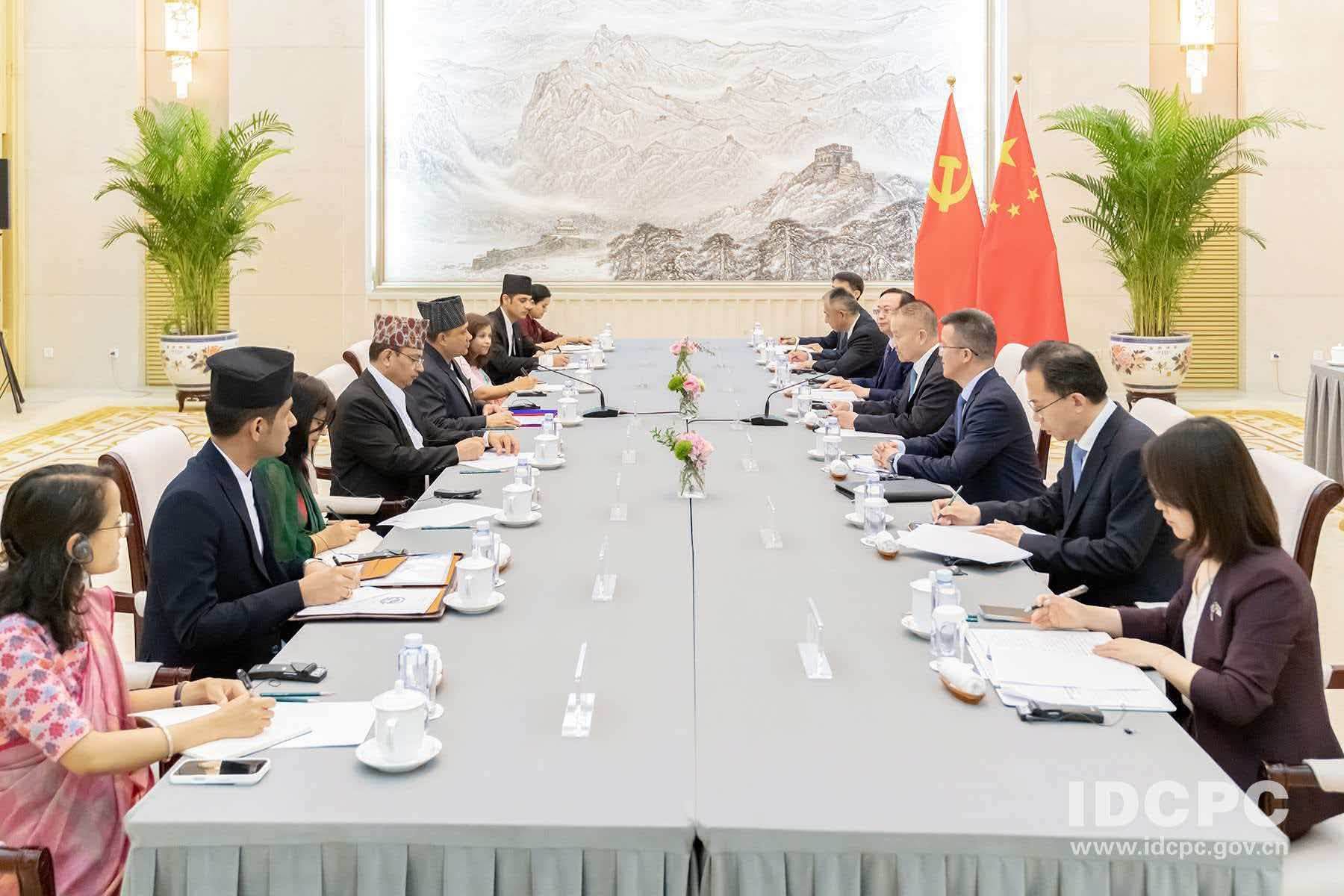
It is against this backdrop that Foreign Minister Shishir Khanal arrived in Beijing. The most important item on his itinerary is not his public speeches, business engagements or diaspora outreach, but his lengthy discussions with Foreign Minister Wang Yi, China’s most influential diplomat and one of Beijing’s super diplomat.
Part of China’s uncertainty stems from the nature of Nepal’s new political landscape. For decades, Chinese diplomacy in Nepal relied heavily on institutional familiarity. Beijing understood the Congress. It understood the UML. It understood the Maoists.
The RSP is different. It lacks deep historical ties with China. It is neither ideologically aligned with Beijing nor instinctively hostile toward it. It is a pragmatic political movement whose worldview is shaped more by governance reform and economic modernization than by traditional geopolitical alignments.
This creates both opportunities and uncertainties. The opportunity is that the RSP appears comfortable engaging with all major powers simultaneously. The uncertainty is that Beijing cannot rely on old assumptions. Traditional political relationships provide predictability. New political movements require observation. Hence China’s ongoing effort to deepen communication channels with RSP leadership while simultaneously seeking reassurance regarding policy continuity.
The Nepal First Test
Perhaps the most revealing aspect of China’s evolving approach is its apparent embrace of the government’s “Nepal First” doctrine. At first glance, this may seem surprising. Great powers typically prefer partners that lean clearly in their direction. Yet China appears to have reached a different conclusion.
A Nepal that is genuinely Nepal-centric may actually be more predictable than a Nepal oscillating between competing external influences. Chinese officials increasingly appear less interested in whether Kathmandu is pro-China and more interested in whether Kathmandu possesses a coherent strategic framework. This distinction matters.
For a small state situated between competing powers, foreign policy cannot be built around loyalty to any external actor. It must be built around national interest. The challenge is that national interest requires consistency.
If Nepal invokes non-alignment when dealing with China but abandons it when engaging with others, credibility suffers. If it welcomes investment from one country while imposing arbitrary barriers on another, strategic autonomy becomes difficult to sustain.
The true test of the Nepal First doctrine is therefore not rhetoric but application. Can Nepal maintain balanced relations with China, India, the United States and other partners simultaneously? Can it leverage competition without becoming trapped by it? Can it attract investment while preserving strategic independence? These questions remain unanswered.
Between geography and geopolitics
China’s concerns about Nepal are not really about Tibet, Starlink or even the BRI. They are about predictability. Beijing understands that Nepal will never become a Chinese satellite. Nor does it expect Nepal to abandon relations with other powers.
What China wants is assurance that Nepal’s foreign policy remains anchored in stable principles rather than shifting political winds. For Kathmandu, the challenge is equally straightforward but considerably harder.
Nepal must convince China that engagement with America is not containment. It must convince America that engagement with China is not alignment. It must convince India that closer ties with Beijing are not directed against New Delhi. And it must do all of this while advancing its own economic development.
This is not merely diplomacy. It is strategic tightrope walking. The encouraging reality is that Nepal possesses more leverage than many assume. Every major power wants influence in Nepal, but none can dominate it. Geography gives Kathmandu options. Sovereignty gives it agency.
The danger lies not in external competition but in internal confusion. The question facing Nepal is therefore not whether it should choose between China and the West. That is a false choice.
The real question is whether Nepal can define its interests clearly enough that others no longer need to guess where it stands. That, more than any diplomatic visit or joint statement, will determine the future of Nepal-China relations. The age of automatic trust has ended. The age of strategic clarity has begun.
Nepal’s balancing act
Foreign Minister Shishir Khanal’s first official visit to Beijing was presented publicly as a routine diplomatic engagement. In reality, the almost two hour formal and nearly three-and-a-half-hour informal in dinner discussion with Chinese Foreign Minister Wang Yi offered a revealing glimpse into how Nepal and China are redefining their relationship amid growing geopolitical competition in South Asia.
The meeting touched virtually every major pillar of bilateral relations—trade, investment, infrastructure, connectivity, energy, border management, technology, tourism and agriculture. Yet beneath the lengthy list of development issues lay three strategic questions that dominated the conversation: China’s security concerns, Nepal’s economic dependence on external partners, and Kathmandu’s effort to preserve its non-aligned foreign policy in an increasingly polarized region.
Security first, development second
The clearest message from Beijing was that security remains China’s foremost priority in its relationship with Nepal.
Nepal once again reaffirmed its commitment to the One China Policy and pledged that Nepali territory would not be used for activities directed against China. Such assurances have long been part of official Nepal-China diplomacy, but the language used during this visit was unusually explicit. Khanal not only reiterated support for the One China principle but also publicly stated that issues concerning Taiwan and Tibet are China’s internal affairs and that no anti-China activities would be tolerated on Nepali soil.
For Beijing, this commitment carries growing significance. China’s western frontier, particularly Tibet, remains a sensitive strategic concern. Nepal’s geographic position between Tibet and India makes it an important buffer state in China’s security calculations. Beijing has consistently sought stronger guarantees that political activism related to Tibet will not find space inside Nepal.
In return, China reaffirmed support for Nepal’s sovereignty, territorial integrity and independence. This exchange reflects a longstanding diplomatic bargain: Nepal addresses China’s security sensitivities, while China supports Nepal’s political stability and development ambitions.
The language employed by both sides suggests that this understanding remains the foundation of bilateral relations.
A subtle pushback on Chinese security architecture
Yet the most significant diplomatic moment may have been where Nepal chose not to agree.
China has spent recent years promoting several global initiatives under President Xi Jinping, including the Global Development Initiative (GDI), the Global Civilization Initiative (GCI) and the Global Security Initiative (GSI). While many countries have expressed varying levels of support, participation in the GSI carries particular geopolitical implications because it is viewed as part of Beijing’s broader vision for reshaping international security governance.
Khanal reportedly made Nepal’s position clear: Kathmandu supports development cooperation through the GDI but cannot join the Global Security Initiative because of its non-aligned foreign policy.
This distinction matters. Nepal’s endorsement of Chinese-funded development projects is politically manageable. Joining a security-oriented initiative, however, would risk creating perceptions that Kathmandu is moving closer to one geopolitical bloc. Such a move could trigger concerns in New Delhi and potentially complicate Nepal’s relations with other international partners.
The message was carefully calibrated. Nepal signaled openness to economic cooperation while drawing a firm line around military or security alignments. In diplomatic terms, it was one of the strongest assertions of Nepal’s non-aligned posture in recent years.
The BRI question returns
Economic cooperation remained at the center of the discussions. Wang Yi emphasized China’s willingness to accelerate high-quality Belt and Road Initiative (BRI) cooperation and help Nepal transform from a landlocked country into a land-linked country through investments in roads, power transmission networks and border infrastructure.
For Beijing, Nepal occupies an important position within the broader BRI framework. Improved connectivity through the Himalayas would strengthen China’s access to South Asia while expanding economic influence across the region. For Nepal, however, the BRI remains both an opportunity and a challenge.
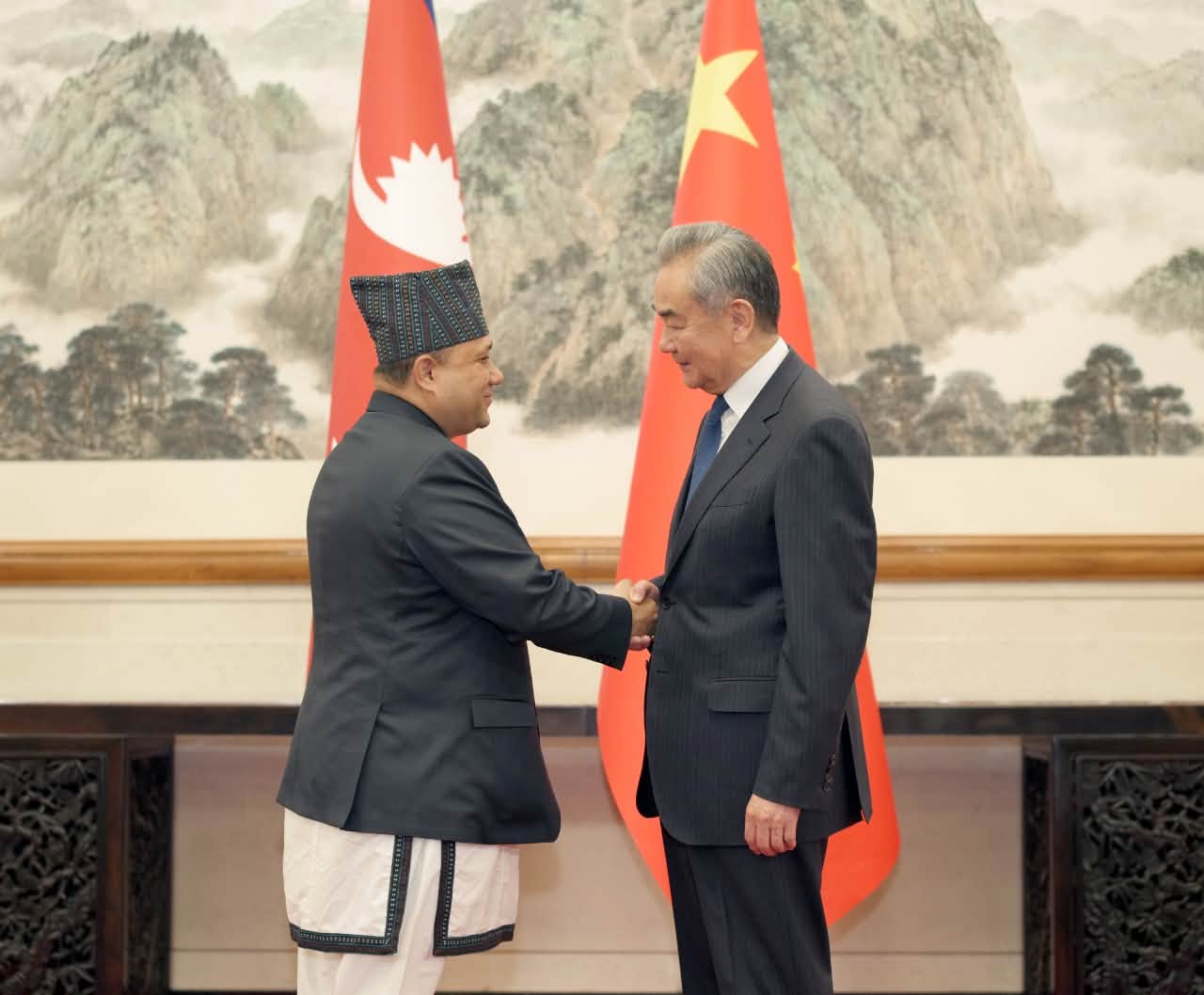
Successive governments have welcomed the initiative’s promise of infrastructure investment but struggled to convert agreements into implementable projects. Questions surrounding financing models, debt sustainability, project selection and implementation mechanisms have slowed progress.
China’s request that Nepal prioritize and formally submit connectivity projects suggests Beijing is seeking greater clarity from Kathmandu. After years of discussions, China appears eager to move from political declarations toward concrete execution.
Whether Nepal can provide a coherent project pipeline remains an open question.
The shadow of Pokhara Airport
One of the most revealing moments in the meeting involved the ongoing corruption investigation into Pokhara International Airport.
The airport has long been promoted as a flagship symbol of Nepal-China cooperation. Built with Chinese loans and assistance, it represents one of the largest Chinese-funded infrastructure projects in Nepal. Yet allegations and investigations surrounding procurement and implementation have cast a shadow over the project.
The fact that Wang Yi directly raised concerns about the investigation is notable. Chinese officials rarely comment publicly on legal scrutiny involving overseas infrastructure projects. Beijing’s intervention suggests unease about the reputational and political implications of the case.
Khanal’s response was equally significant. Rather than offering political assurances, he emphasized that the matter falls under judicial jurisdiction and that China should trust Nepal’s legal process.
The exchange highlights a growing reality in Nepal-China relations. As Chinese investments expand, so too does public scrutiny. Projects once celebrated purely as symbols of friendship are increasingly evaluated through the lenses of transparency, governance and accountability.
This represents a maturation of Nepal’s democratic institutions but also introduces new tensions into bilateral cooperation.
Lipulekh: China maintains distance
Nepal also raised the contentious issue of Lipulekh.
Kathmandu has consistently objected to agreements between India and China involving trade and pilgrimage routes through Lipulekh, a territory Nepal claims as its own. By raising the issue again, Khanal signaled that Nepal has not softened its position.
China’s response, however, was predictable and carefully worded. Wang Yi reportedly indicated that Lipulekh is essentially a matter to be resolved between Nepal and India through bilateral dialogue.
This position allows Beijing to avoid becoming entangled in a territorial dispute involving its two South Asian neighbors. While China benefits strategically from maintaining strong relations with Nepal, it has little incentive to jeopardize its broader relationship with India over an issue it regards as peripheral to its core interests.
For Nepal, the response underscores a recurring diplomatic reality: despite close relations, China is unlikely to actively champion Nepal’s position in disputes involving India unless Chinese interests are directly affected.
Investment, business climate and economic expectations
China’s economic message was straightforward. Beijing wants more Chinese investment in Nepal, but it also wants assurances regarding transparency, legal predictability and regulatory stability.
Wang Yi’s emphasis on a fair and transparent business environment reflects concerns shared by many foreign investors. Political instability, bureaucratic delays, regulatory uncertainty and inconsistent policy implementation continue to undermine Nepal’s attractiveness as an investment destination.
Khanal responded by promising a rule-of-law-based and investment-friendly environment while welcoming greater Chinese participation in Nepal’s economy.
Whether those assurances translate into meaningful reforms remains uncertain. Nepal has often promised investment-friendly policies but struggled to implement them consistently. Chinese investors, like many others, increasingly appear to be seeking practical guarantees rather than diplomatic declarations.
Fertilizers, technology and climate cooperation
While geopolitics dominated headlines, several practical outcomes may ultimately prove more important.
China reportedly offered positive assurances regarding chemical fertilizer supplies, a recurring concern for Nepal’s agricultural sector. Discussions also expanded into technology transfer, digitalization, climate change cooperation and sustainable development.
These areas reflect a broader evolution in Nepal-China relations. The partnership is no longer confined to roads, airports and hydropower. Increasingly, both countries are exploring cooperation in emerging sectors including digital infrastructure, scientific research and technological innovation.
Such cooperation may prove politically less controversial than large-scale infrastructure projects while generating more immediate benefits for Nepal’s economy.
Party-to-party diplomacy
Beyond government-to-government engagement, Khanal’s meeting with senior officials of the Communist Party of China revealed another dimension of China’s influence strategy.
China has long cultivated relationships not only with governments but also with political parties across Nepal’s ideological spectrum. Discussions about strengthening ties between the Rastriya Swatantra Party (RSP) and the CPC demonstrate Beijing’s effort to maintain connections with emerging political forces rather than relying solely on traditional partners.
Khanal’s expressed interest in learning from China’s experiences in governance and anti-corruption indicates that political exchanges are expanding beyond symbolic diplomacy into policy discussions.
For China, such engagement helps build long-term influence regardless of which party controls government in Kathmandu. For Nepal’s political actors, these relationships offer opportunities to study governance models, though they also raise questions about the growing role of party-to-party diplomacy in shaping foreign relations.
The strategic reality
The Beijing talks ultimately revealed a relationship that is becoming deeper, broader and more strategic, yet also more complex.
China views Nepal as an important neighbor whose stability and security have direct implications for Tibet and China’s regional interests. Nepal sees China as a critical source of investment, infrastructure financing and economic opportunity.
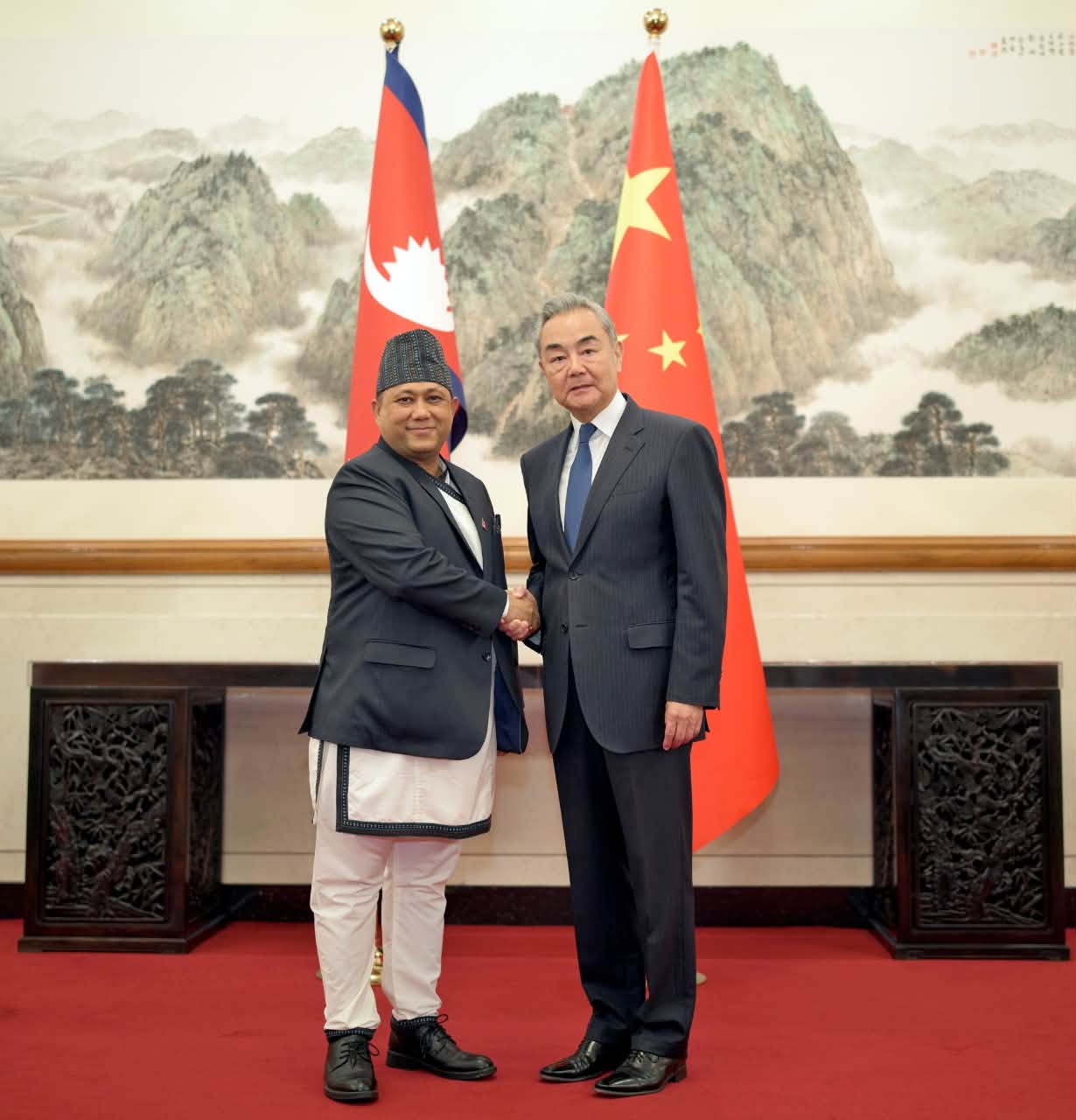
But neither side obtained everything it wanted.
China secured renewed commitments on the One China Policy and security concerns. Nepal secured assurances on development cooperation, fertilizer supply and economic support.
At the same time, Nepal resisted joining China’s security architecture, defended the independence of its judicial process in the Pokhara Airport investigation, and reiterated territorial concerns over Lipulekh. China, meanwhile, avoided endorsing Nepal’s position on Lipulekh and continued pressing for a more favorable investment environment.
The result was not a dramatic diplomatic breakthrough but something more important: a realistic acknowledgment of mutual interests and mutual limits.
For Kathmandu, the visit demonstrated the continuing challenge of balancing economic engagement with strategic autonomy. For Beijing, it reinforced the importance of Nepal as a reliable neighbor that remains friendly but unwilling to abandon its tradition of non-alignment.
In an era when smaller states are increasingly pressured to choose sides, Nepal’s message from Beijing was clear: deepen cooperation, welcome investment, protect sovereignty, and avoid becoming part of anyone’s security bloc. Whether that balancing act can be sustained as regional competition intensifies will define the future of Nepal-China relations far more than any joint statement issued after the meeting.



![Grass planting intensifies in Tundikhel to promote greenery [Photo Feature]](https://english.nepalnews.com/wp-content/uploads/2026/06/Tudikhel-Dubo-1-scaled-1.jpg)