Kathmandu
Sunday, July 26, 2026





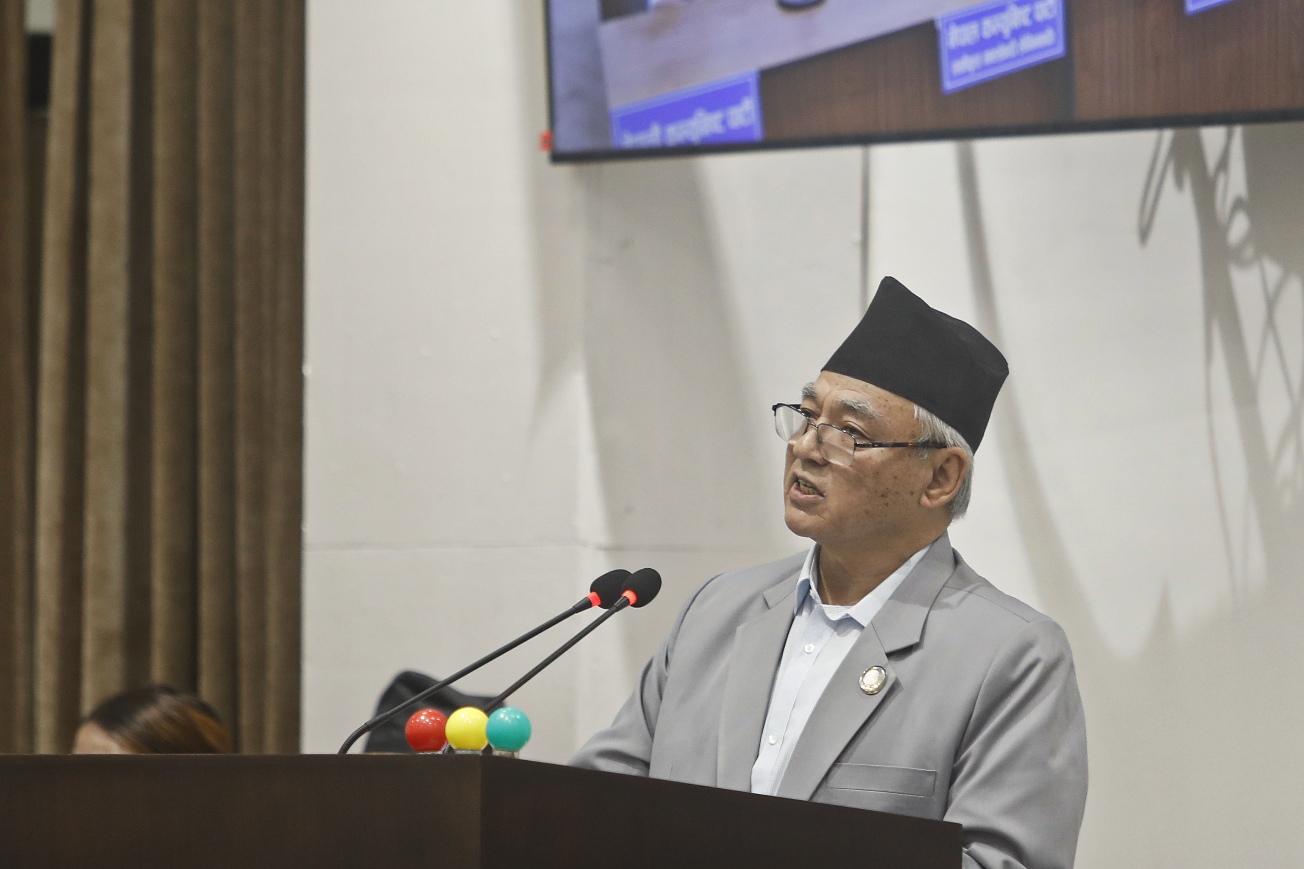
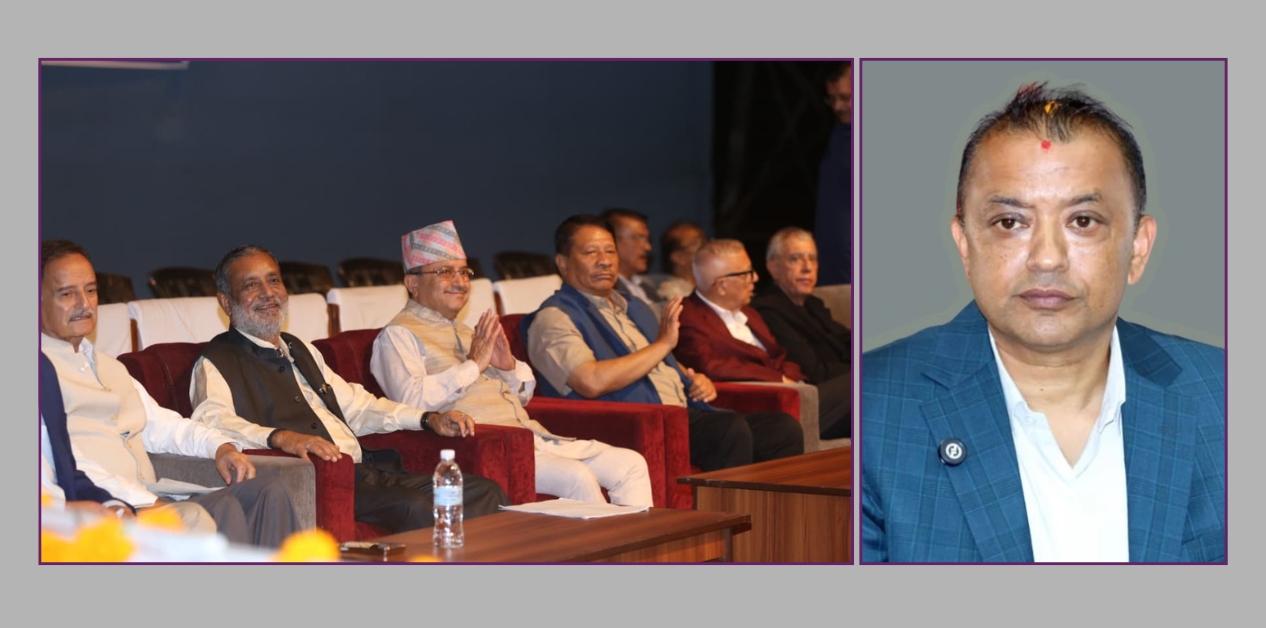
The transformation of Ram Bahadur Thapa, better known by his nom de guerre ‘Badal,’ from the shadowy military strategist of Nepal’s Maoist insurgency to the acting chairman and parliamentary party leader of the CPN (UML) is one of the boldest ideological shifts in modern South Asian politics.
Once the architect of rural militias that paralyzed the Nepali state during the 1996 to 2006 People’s War, Badal now occupies the very parliamentary position he once vowed to destroy. His rise, accelerated by the vacuum left after KP Sharma Oli’s arrest on March 28, 2026, over his alleged role in the deadly suppression of the 2025 Gen Z protests, is not just a personal reinvention. It reflects the UML’s broader struggle to stay relevant.
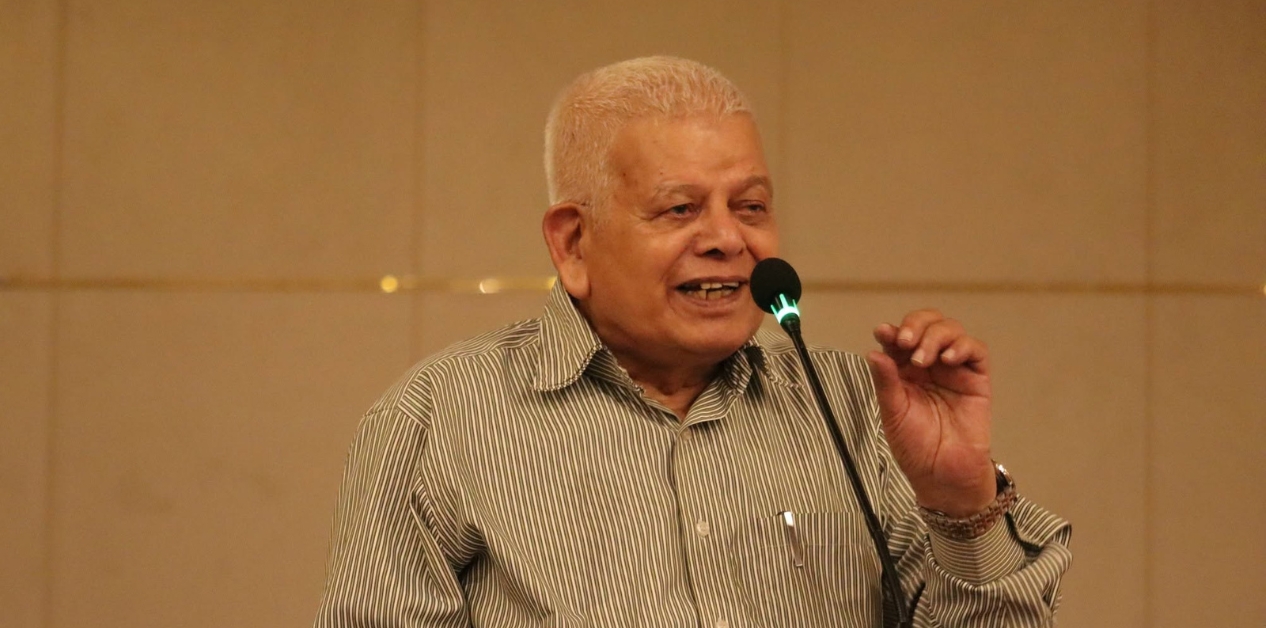
A man known for ‘strategic pivots,’ whose loyalty has shifted like Himalayan fog, Badal now defends the status quo he once sought to bury. His controversial speech in the House of Representatives on April 2, 2026, provoked immediate backlash from senior UML figures like Vice-Chairperson Bishnu Prasad Paudel and Deputy General Secretary Yogesh Bhattarai. The speech exposed the challenges facing UML as a party, its eroding international image, and potential strains within Nepal’s military. It revealed not only one leader’s opportunism but a party grappling with survival in a country reshaped by youth-led movements and deep institutional distrust.
Badal’s journey highlights the ‘ideological gymnastics.’ As the Maoist insurgency’s de facto military commander, he orchestrated campaigns that toppled the monarchy and shook the parliamentary system, which he once dismissed as a “butcher’s shop” for the elite. His 2012 split from Prachanda, branding him a “revisionist,” underscored his hardline stance. Yet by the 2021 Nepal Communist Party split, Badal aligned with Oli, abandoning his revolutionary past for political power. This earned him the mocking nickname “Daihichiure,” or soft, malleable, and ultimately flavorless. He has been compared to Joseph Fouché, Napoleon’s master of survival. Badal has traded fatigues for suits, revolution for pensions, and guerrilla tactics for parliamentary maneuvering. But in Nepal’s fractured politics, such shifts carry a cost: credibility.
The April 2 speech, delivered just a day after his unanimous election as UML’s parliamentary party leader on April 1, turned these doubts into a political liability. Rather than offering constructive critique of the Rastriya Swatantra Party’s landslide victory under the Balen wave, Badal claimed it was orchestrated by the Nepal Army, the bureaucracy, an interim “Sushila Karki government,” and international foundations like the Barbara Foundation. He dismissed the youth-driven mandate as engineered subversion, indirectly defending the 2025 crackdown on Gen Z protesters. The irony is striking: a former guerrilla who once used propaganda tactics now accuses a new generation of the same.
The backlash was swift. Bishnu Prasad Paudel immediately distanced himself, posting on Facebook that Badal’s views “are contrary to the party’s established policies and principles.”
He warned that the remarks would be examined in an emergency central secretariat meeting on April 3. Paudel’s measured response reflected concern for party unity at a time of crisis, showing the generational and ideological rift within UML: pragmatists versus Badal’s hardline nostalgia.
Internationally, UML’s credibility has suffered. Once seen as pragmatic by Beijing and Delhi, it now risks being viewed as paranoid and authoritarian. Western donors and multilateral bodies may see Badal’s conspiracy claims as evidence of democratic backsliding.
Yogesh Bhattarai, deputy general secretary and a more media-savvy leader, also criticized Badal sharply. He had already raised concerns about the process that elevated Badal, alleging pressure on MPs and unfair exclusion of alternatives like Suhang Nembang. After the speech, Bhattarai joined Paudel in condemning the rhetoric as provocative, warning that it could alienate the party’s rank and file. Together, their objections reveal a leadership-level fracture, possibly forcing Badal into a defensive stance or tactical retreat.
The UML now faces uncertainty. Internal turmoil may intensify, and the April 3 secretariat meeting could issue a reprimand or review of Badal’s remarks, but enforcing discipline risks alienating his loyalists. Protests organized by UML under Badal’s leadership may lose momentum if seen as conspiracy-driven rather than principled. With RSP’s March 5 election mandate of 182 seats, Badal’s speech may accelerate defections, especially among urban and youth supporters. The party risks marginalization unless it pivots toward issue-based opposition, such as corruption investigations or federalism reforms. Longer-term, UML could fragment or survive only through coalitions with Nepali Congress remnants.
Internationally, UML’s credibility has suffered. Once seen as pragmatic by Beijing and Delhi, it now risks being viewed as paranoid and authoritarian. Western donors and multilateral bodies may see Badal’s conspiracy claims as evidence of democratic backsliding. India might prefer RSP’s pro-youth tilt, and China could see UML as unstable. Global media have framed RSP’s rise as a youth victory; Badal’s intervention reinforces the image of UML as clinging to old power structures.
The military is also implicated. By accusing the Nepal Army of conspiracy, Badal challenges its apolitical stance, built since the 2006 Comprehensive Peace Accord. Senior officers may quietly resist, viewing Badal as emblematic of a party unwilling to accept electoral defeat.
Badal’s personal scandals, such as the Fake Bhutanese Refugee Scam involving his son Prateek Thapa, add further risk. Exploiting desperation for personal gain undermines UML’s image and could lead to legal and electoral complications.
Like Fouché, Badal has survived political upheavals, but Nepal’s post-2026 landscape demands adaptation, not deflection. His speech may protect Oli’s legacy temporarily but risks harming UML strategically. With internal dissent growing and external credibility eroding, UML’s future depends on reforming its approach, building trust, and moving beyond the survivalist tactics that Badal embodies. The coming weeks will show whether his pivot sustains the party or accelerates its decline, leaving Gen Z populism to fill the vacuum.