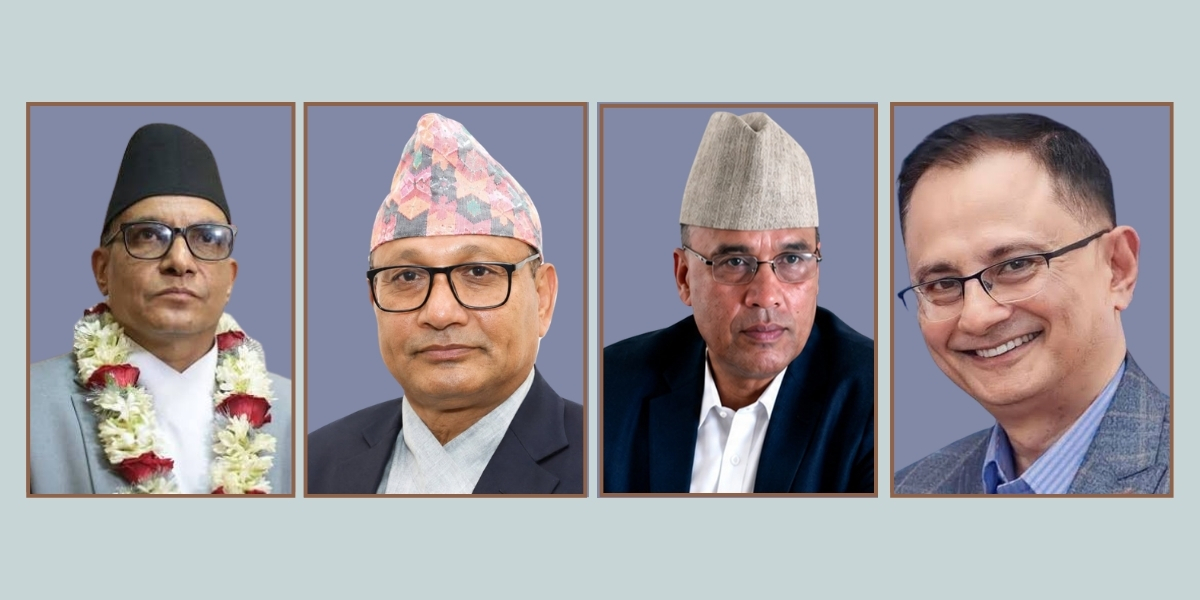
Kathmandu
Friday, July 10, 2026





Excessive policy pressure and multi-agency harassment have broken business morale. Restoring trust through stable laws and an 'anticipatory bail' system is vital for genuine economic prosperity.
KATHMANDU: The government’s goal is also economic prosperity. This is indicated by the government’s target to achieve an average economic growth rate of seven percent, increase per capita income to USD 3,000 in five years, and expand the economy from around Rs 6.6 trillion to Rs 10 trillion. However, this goal is not possible without cooperation with the private sector.
The economy has been sluggish for the past 6 years. The morale of the private sector has declined. Capital formation is weak. The capacity to bear risk has also become low. In such a situation, even up to 100 days after the formation of the government, the lack of dialogue between the Prime Minister and the private sector added to the confusion. The private sector was discouraged even further.
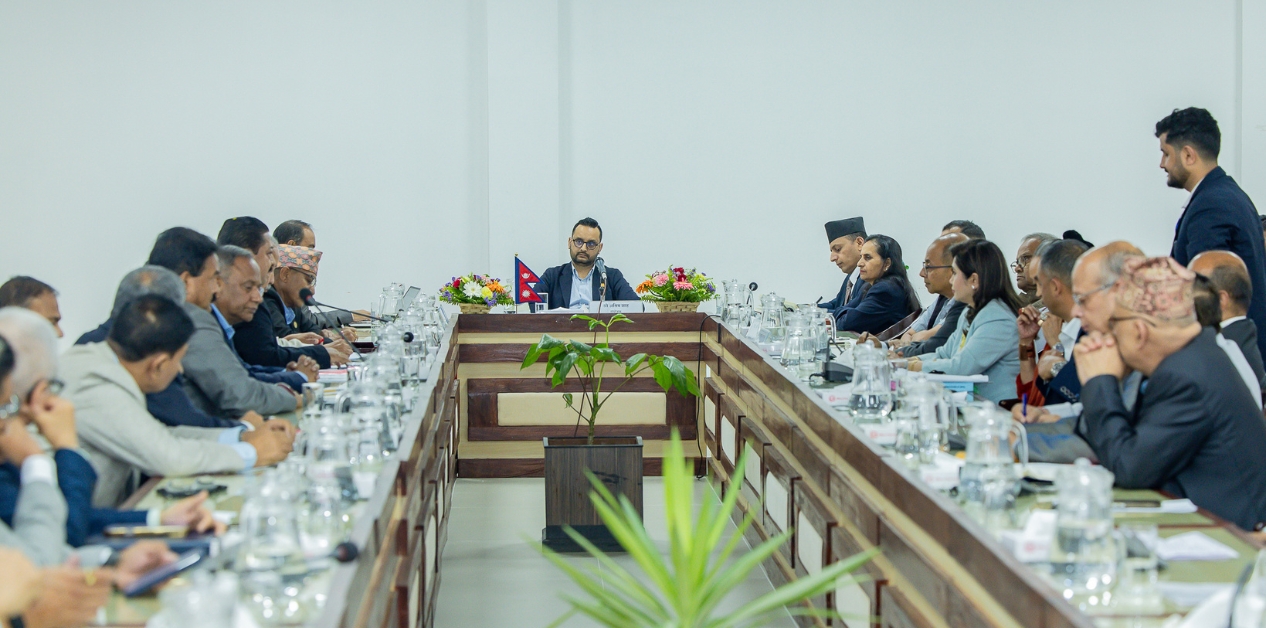
The government-private sector interaction held on July 8 at the initiative of the Prime Minister has opened the door for dialogue. That has added some encouragement to the private sector.
The Prime Minister has expressed his commitment to move forward by keeping the private sector in the ‘driving seat’ of the country’s economy. He has also given assurances to solve the real problems of the private sector. His statements about creating an investment-friendly environment, boosting the morale of the private sector, and encouraging work have raised hope among investors.
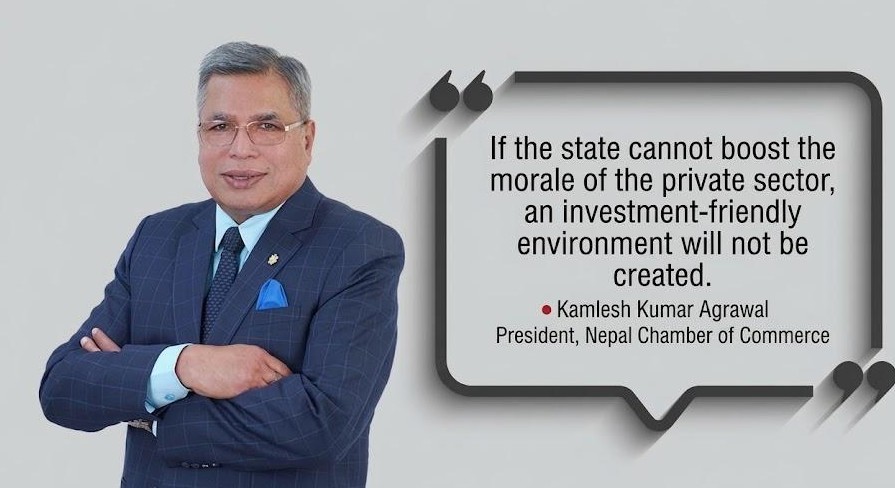
The private sector accounts for about 81 percent of the investment in Nepal. Its contribution to job creation is around 66 percent. If the state cannot boost the morale of such a sector, an investment-friendly environment cannot be created. The discussion with the Prime Minister was focused on this very issue.
Discussions were also held with the Prime Minister on past crackdowns on the private sector, the Anti-Money Laundering Act, and investment security. The Prime Minister listened to the concerns of the businessmen calmly. He asked questions, and the industrialists and businessmen shared their realities.
Long before the implementation of the Asset (Money) Laundering Prevention Act in 2008, the state did not have certified records of wealth earned from industry, trade, agriculture, and ancestral inheritance. In such a situation, if someone is asked to show the source of wealth tomorrow, what will the entrepreneurs and businessmen show?
The private sector is in terror due to excessive pressure from the acts, rules, and laws made by the state. Right now, entrepreneurs and businessmen are also terrified by the provisions related to MRP (Maximum Retail Price). Maintaining MRP right at the customs point is practically impossible. We placed before the Prime Minister the fact that this has caused distress to the businessmen.
The Prime Minister assured that the private sector would be taken along as a partner to strengthen the economy. Discussions were held on continuing the dialogue between the government and the private sector, solving the problems faced by industrialists and businessmen, and easing land ceiling limits for large projects. This has encouraged the private sector to invest.
The Prime Minister stated that he would introduce a ‘Sunset Law’ to solve the problems seen in large infrastructure projects. If this is brought without delay, it will solve many problems.
Currently, there are problems in every sector. There are complexities in acts, rules, and laws. Investable funds worth more than Rs 1.2 trillion are sitting in the banking system. Interest rates are also cheap. However, the private sector is not attracted to making investments.
This means there is a structural problem somewhere or other. The morale of the private sector is broken.
To ease this, continuous dialogue and interaction between the state and the private sector are necessary. Separate discussions should also be held with specific thematic sectors. This will help make the economy dynamic.
While there is already a regulatory body, supervision by additional agencies has created terror in the private sector. While strengthening the existing regulatory bodies, there should be only one effective regulator for each sector.
During the dialogue with the Prime Minister, I also raised the provision related to money laundering. Long before the implementation of the Asset (Money) Laundering Prevention Act in 2008, the state did not have certified records of wealth earned from industry, trade, agriculture, and ancestral inheritance. In such a situation, if someone is asked to show the source of wealth tomorrow, what will the entrepreneurs and businessmen show?
We want a dignified business environment. Entrepreneurs and businessmen should not be locked up first without proof or without a crime; there should be a system to listen first. There should be a provision for advance bail, i.e., ‘anticipatory bail’. Only when investors are guaranteed security and a dignified environment will it be easy to strengthen the economy.
By continuously imposing various policies on the private sector in the past, the economy reached its current sluggish state. Now, when formulating policies, the government must conduct a ‘Regulatory Impact Assessment’. Before implementing any policy, a study of its impacts must be carried out. Investment-friendly acts and laws must come. Capital expenditure must increase.
When the government spends Rs 100 billion in capital expenditure, it can expand economic activity equivalent to around Rs 400 billion. However, capital expenditure has not been effective so far. Therefore, we must move forward by making a time-bound action plan starting right from mid-July.
The initiative shown by the Prime Minister by stating that the private sector must be pushed forward and the economy must be made vibrant and prosperous is positive. Now, the state must ponder upon and implement the suggestions given by the private sector.
There is excessive pressure to comply with policies and rules in every sector. While there is already a regulatory body, supervision by additional agencies has created terror in the private sector. While strengthening the existing regulatory bodies, there should be only one effective regulator for each sector.
The revenue policy must also be made competitive within five years. This will help control smuggling and illegal imports. If there is a stable government and a stable economic policy for five years, Nepal can gradually create an environment to compete with the global economy.
The government must facilitate entrepreneurs and businessmen in capital formation. The arrangement for MRP should also be revised according to the times. Looking at international practices and the condition of Nepal’s economy, if the arrangement is made to place MRP stickers at the point of retail sale rather than at the customs point, it will be easier for businessmen.
During the meeting with the Prime Minister, we also gave suggestions regarding a clean and transparent stock market. Based on all sorts of random complaints, some people are taking unfair advantage of entrepreneurs and businessmen. The state must be serious about such matters.
The initiative shown by the Prime Minister by stating that the private sector must be pushed forward and the economy must be made vibrant and prosperous is positive. Now, the state must ponder upon and implement the suggestions given by the private sector. If that happens, both the country and the people will benefit.
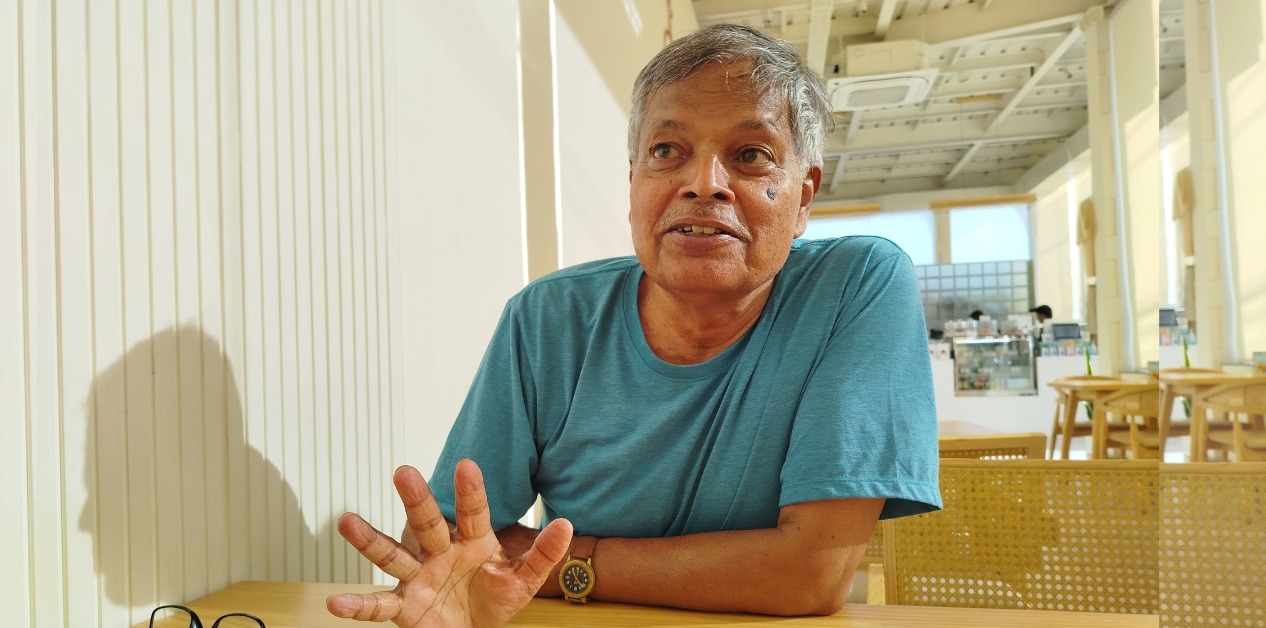
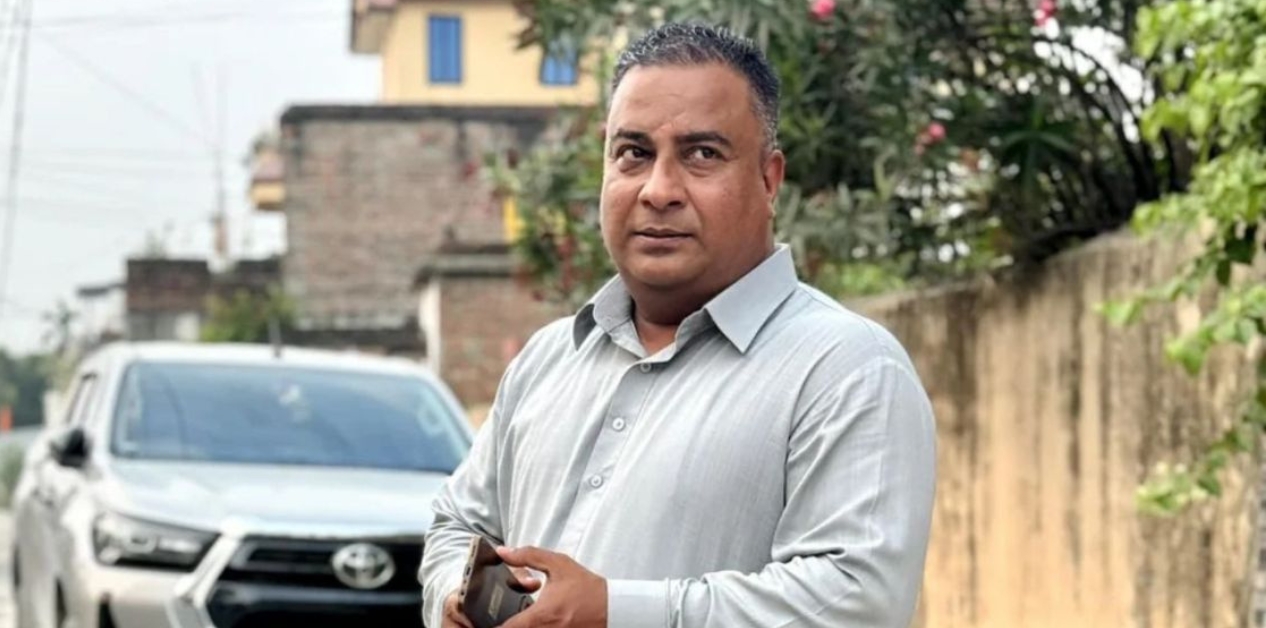
(Based on a conversation with Agrawal, President of the Nepal Chamber of Commerce, conducted by Shambhu Regmi.)