Kathmandu
Sunday, July 19, 2026





According to NC leaders, the party is expected to elect its parliamentary leader by Monday

KATHMANDU: The Constitutional Council remains incomplete due to the delay by the Nepali Congress (NC), the main opposition party in the House of Representatives (HoR), in electing its parliamentary party (PP) leader. The delay in choosing the parliamentary party leader has occurred because the party has been unable to manage the aspirants for the post. The constitutional provision requires that the leader of the main opposition party in the House of Representatives be a member of the six-member Constitutional Council.
Winning 38 seats in the March 5 election, NC has become the main opposition party in the 275-member HoR, the lower house of the Federal Parliament. Friday’s HoR meeting elected Shram Sanskriti Party MP Rubi Kumari Thakur as Deputy Speaker. Thakur has RSP’s support for the Deputy Speaker position. The Rastriya Prajatantra Party (RPP) had also fielded Saraswati Lama as its Deputy Speaker candidate.
Even with all parties represented in the lower house having already chosen their PP leaders, the main opposition NC has found itself in unexpected confusion in choosing its leader in the HoR. Pressure is also coming from within NC to choose a parliamentary party leader immediately.
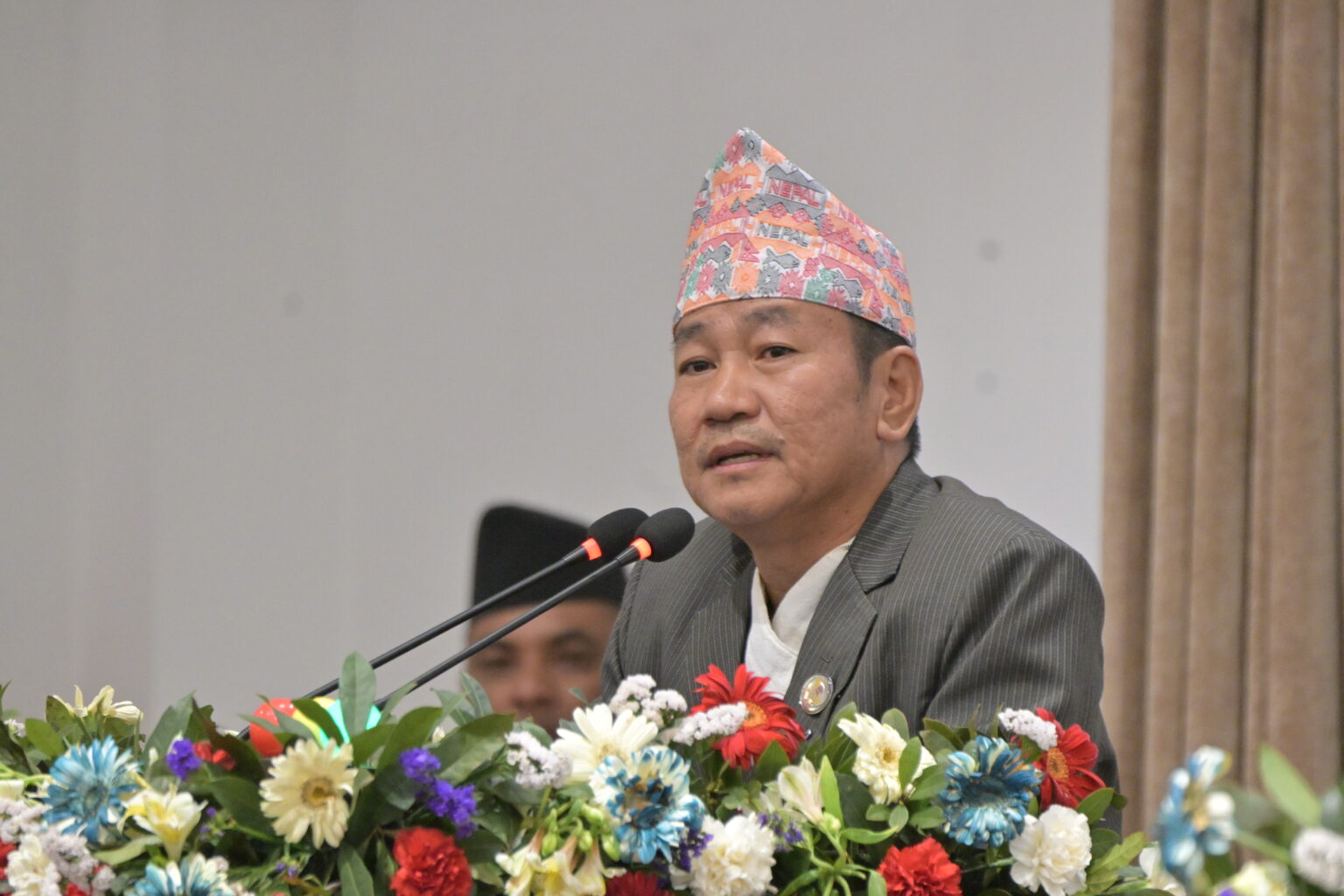
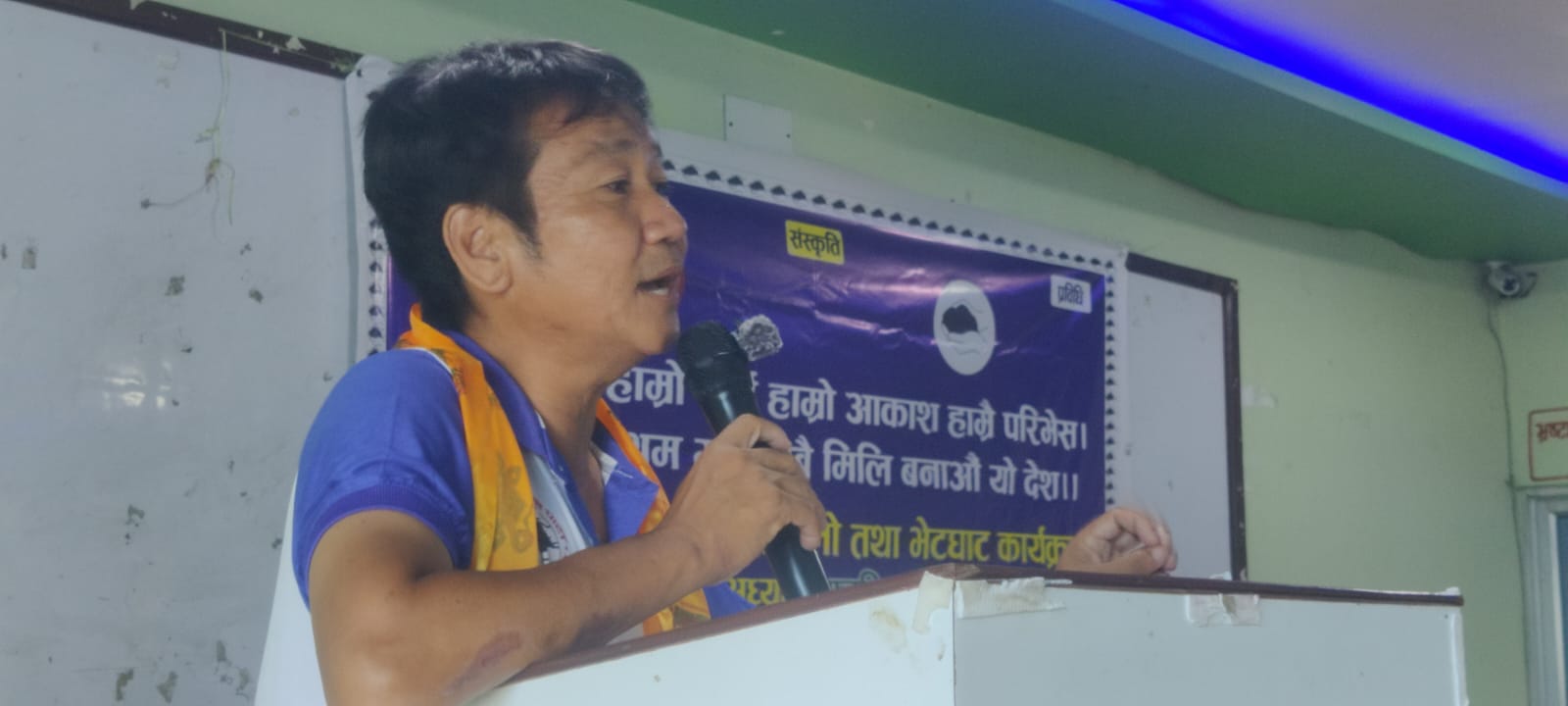
Shram Sanskriti Party Chairman Harka Raj Rai. Photo: Nepal Photo Library.
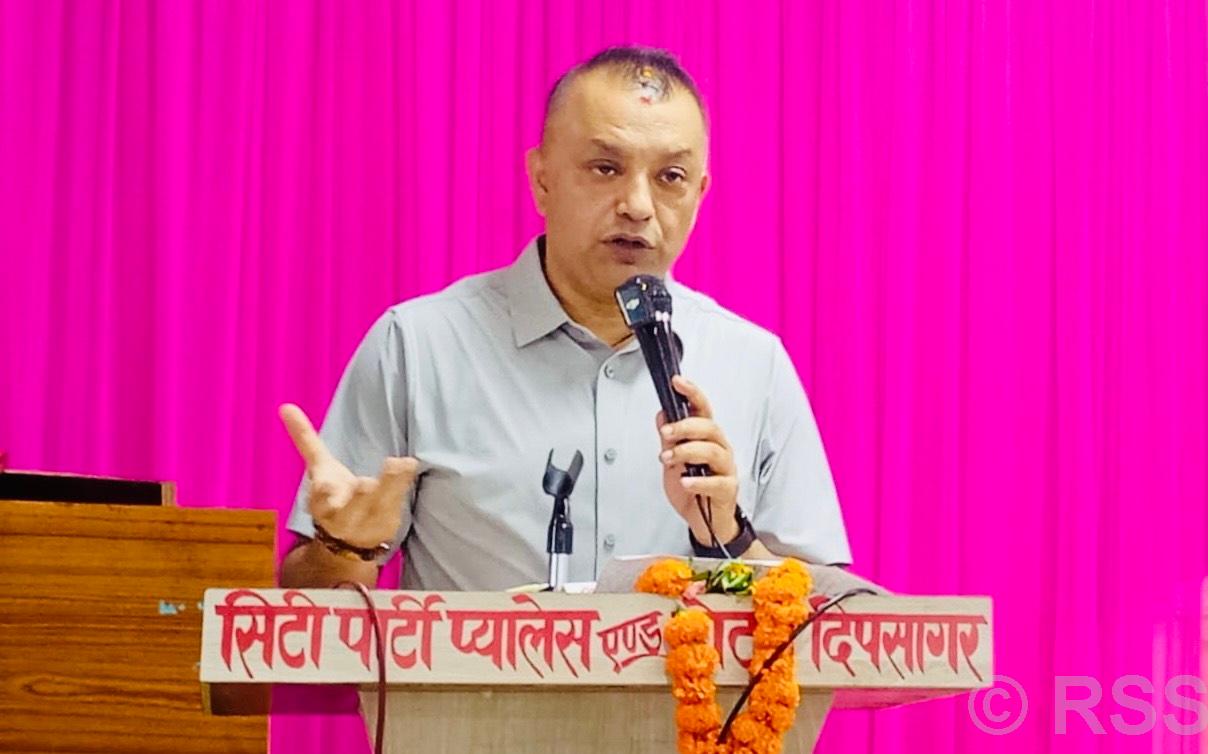
Nepali Congress General Secretary Gururaj Ghimire says internal preparations are underway to choose the PP leader. He says there was an initial delay because senior member of the House, Arjun Narsingh KC, had also expressed a desire to be the PP leader.
“Arjun dai was initially in the role of Speaker as the senior member. When he said he would also contest, it was held up at first. When he was acting as Speaker, the question of contesting for parliamentary party leader did not arise. More recently, there have also been other matters to attend to, which has caused the delay in choosing the parliamentary party leader,” says NC General Secretary Ghimire, adding, “We have already formed an election committee to choose the parliamentary party leader. The committee is in consultation and there is a possibility it will be decided on Monday.”
The election committee formed by NC President Gagan Kumar Thapa for choosing the parliamentary party leader includes the party’s joint general secretaries Prakash Rasaili, Muna Bhusal, and Raju Katuwal.
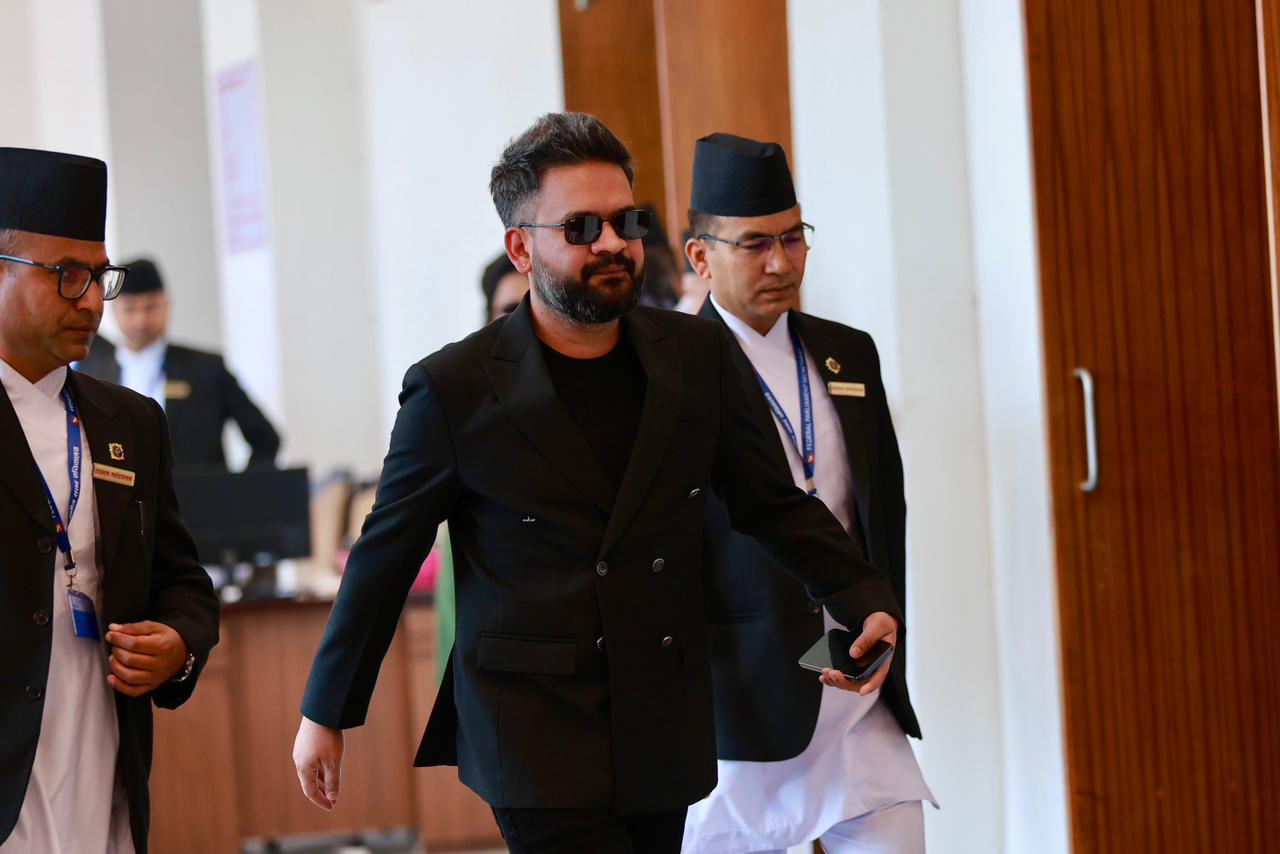
Prime Minister Balendra Shah. Photo: Nepal Photo Library.
After most of NC’s veteran leaders were defeated in the March 5 general election, three leaders have staked claims for the parliamentary party leadership. Apart from KC, former joint general secretary Bhishma Raj Angdembe and Rasuwa-elected MP Mohan Prasad Acharya are also aspiring for the party leadership in the House. Nepali Congress leader KC has claimed that since he is the most senior leader in the House of Representatives, he should receive the PP leadership. The party’s President Gagan Kumar Thapa is opposed to giving KC the PP leadership. Thapa and KC are son-in-law and father-in-law. Leaders close to Thapa have also advised him not to make KC the PP leader. They have advised Thapa to make someone else the PP leader, saying that even if KC is qualified to be NC’s PP leader, there is a risk of criticism.
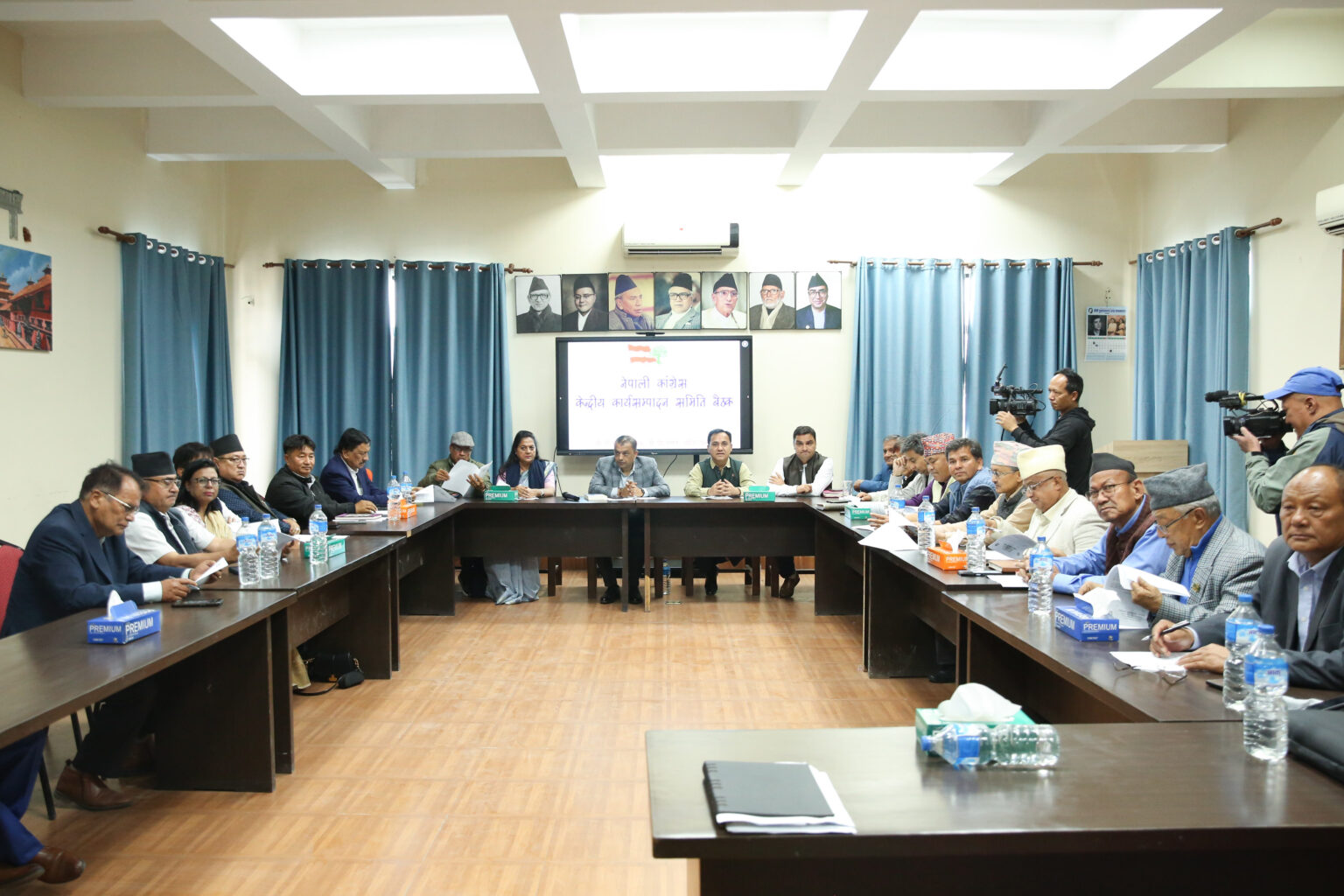
A meeting of the NC Central Work Performance Committee. Photo: Nepal Photo Library.
Nepali Congress vice-president Bishwa Prakash Sharma advised KC at the party’s provincial review meeting in Pokhara on April 10 to become a statesman rather than parliamentary party leader. Sharma’s statement was: “When he himself wants to become the NC parliamentary party leader, it becomes difficult for us to say no. Therefore our expectation is that it would be timely for him to take the path of becoming a statesman rather than a party leader.”
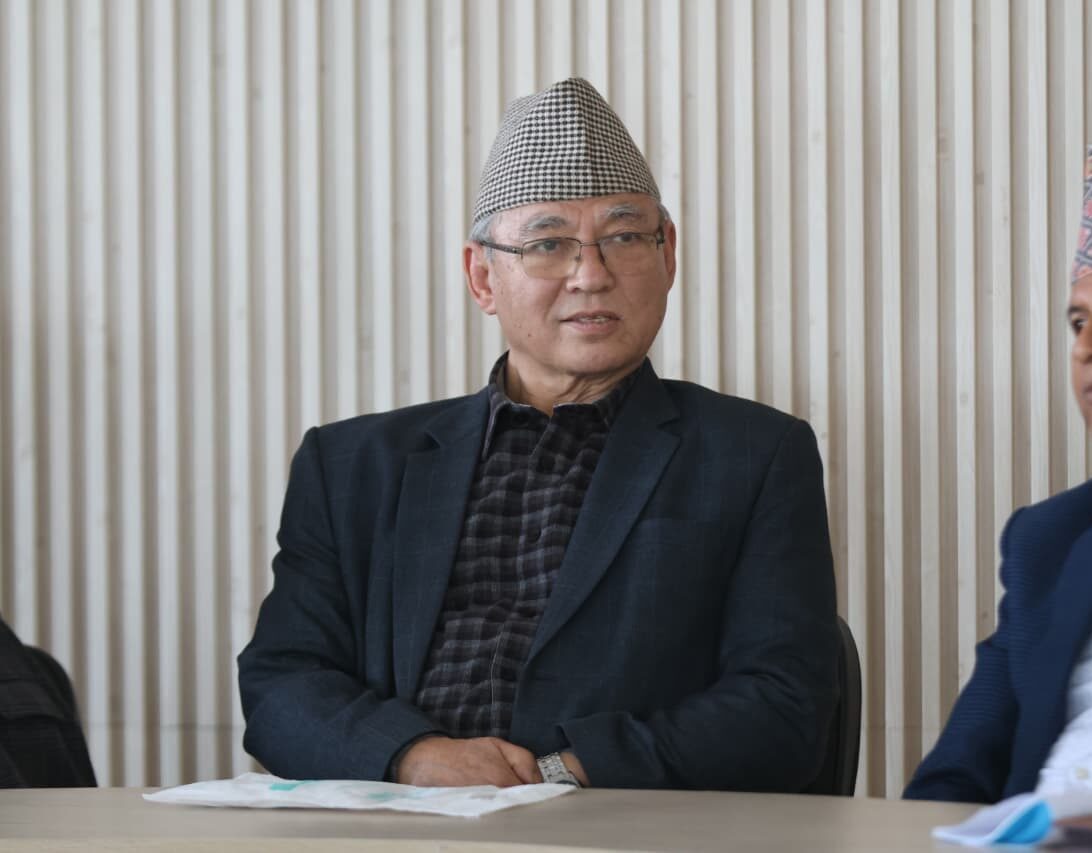
CPN (UML) parliamentary party leader Ram Bahadur Thapa ‘Badal’. Photo: Nepal Photo Library.
At 73, KC is the most senior member of the House of Representatives. He served as acting Speaker until a Speaker was elected. KC is also a former joint general secretary and former spokesperson of NC. He has now been an MP five times. In this election he was chosen as an MP through proportional representation.
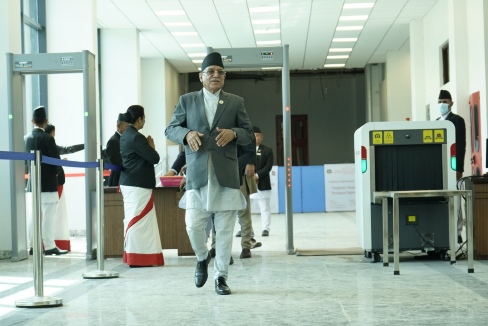
Nepali Communist Party Coordinator Pushpa Kamal Dahal ‘Prachanda’. Photo: Bikram Rai.
Another NC leader staking a claim for the PP leadership, Bhishma Raj Angdembe, is a former joint general secretary of the party. He is considered close to former NC president Sher Bahadur Deuba. Angdembe was also chosen as an MP through proportional representation. He had addressed the House on NC’s behalf at its first meeting.
MP Acharya, who won the direct election from Rasuwa, is a central member of the Nepali Congress. Acharya, who is also a construction entrepreneur, has been elected to the HoR for the third time. He had also won from Rasuwa even in 2017 when CPN (UML) and NCP (Maoist Center) were in an electoral alliance. This time Acharya is the only MP directly elected from NC in Bagmati Province. “There is pressure within the Nepali Congress that someone who was directly elected and is young should be made the PP leader,” says the party’s youth leader Shankar Tiwari.
The Nepali Congress, which finished first with 89 seats in the 2022 HoR election, has shrunk to 38 seats this time. A major decline has also been seen in the party’s proportional vote share.
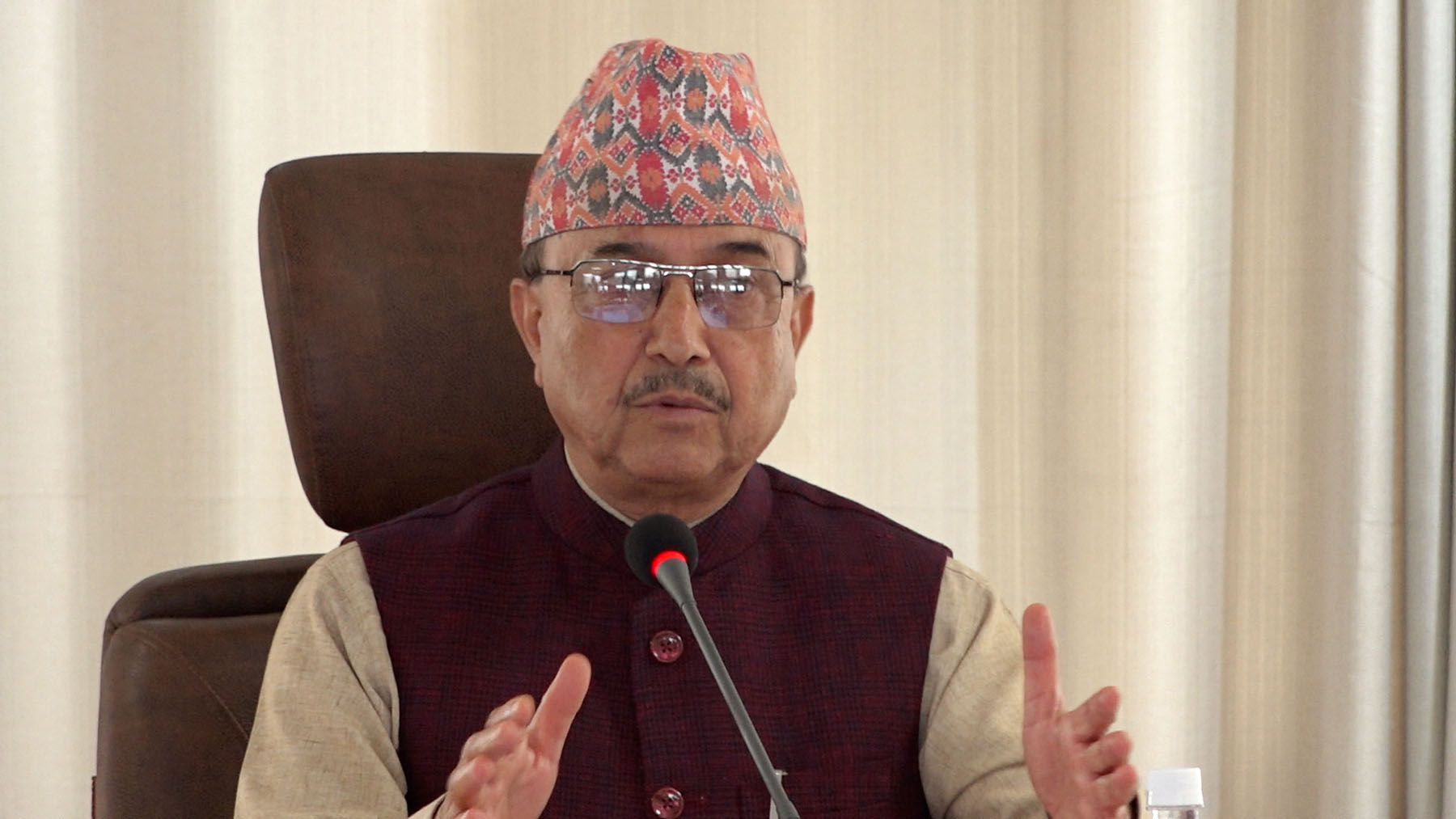
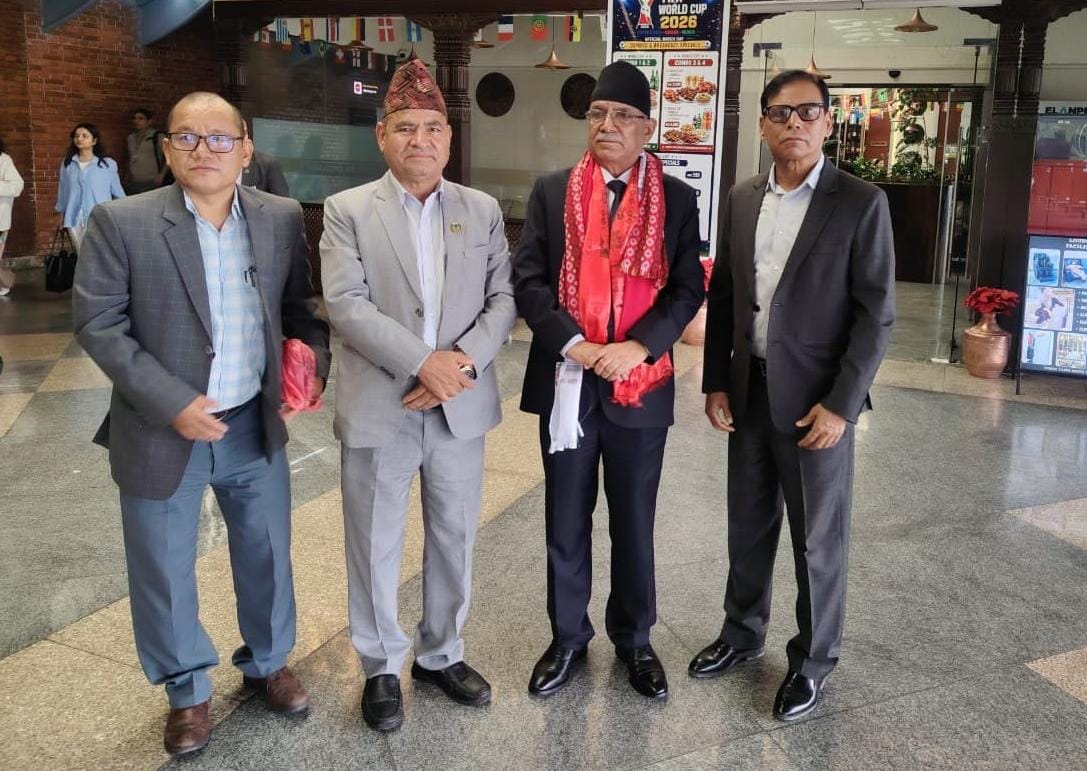
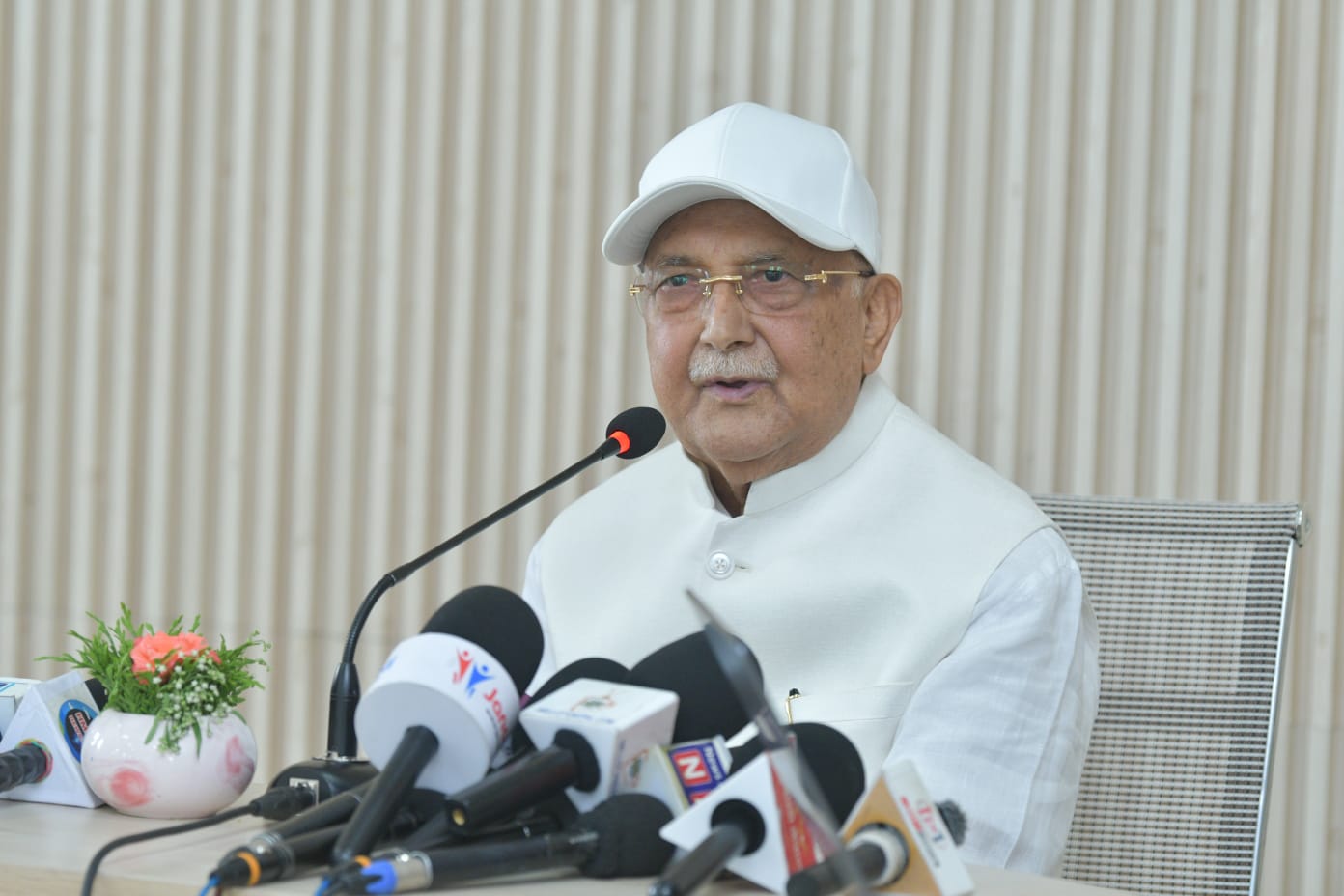
Apart from thee NC, all parties represented in the House of Representatives have already chosen their PP leaders. The RSP has chosen senior party leader and Prime Minister Balendra Shah as its PP leader. Similarly, the CPN (UML) has chosen vice-chairperson Ram Bahadur Thapa, Nepali Communist Party has chosen coordinator Pushpa Kamal Dahal ‘Prachanda’, Shram Sanskriti Party has chosen Chairperson Harka Raj Rai, and the RPP has chosen executive committee member Gyanendra Shahi as their respective PP leaders.
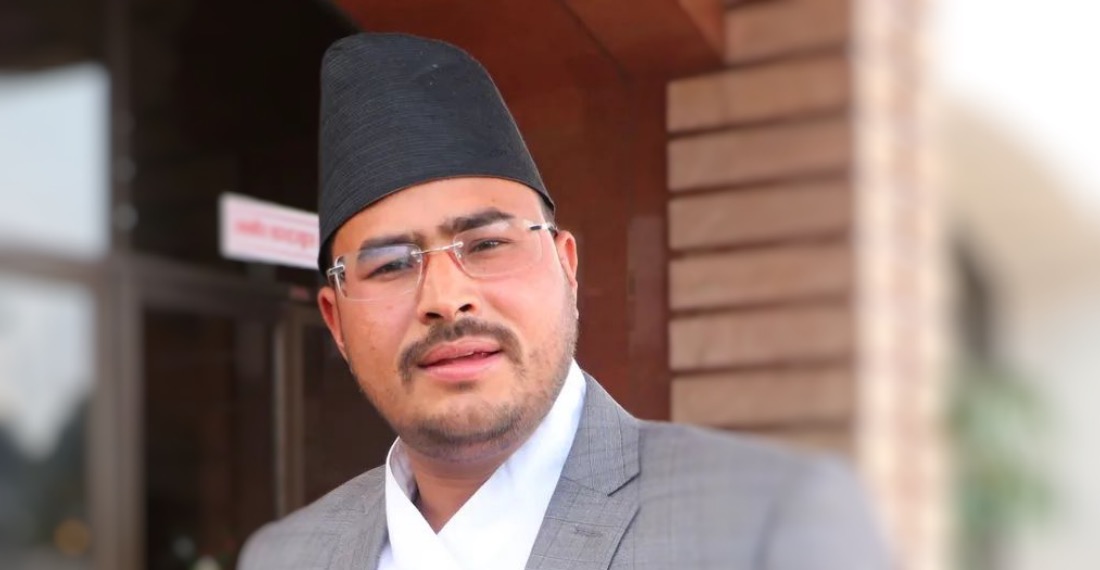
RPP parliamentary party leader Gyanendra Shahi.
All other parties have already chosen their PP leaders, but the Constitutional Council is still incomplete due to the NC’s unusual delay in choosing its leader in parliament. The constitutional provision requires the Constitutional Council to include the Prime Minister as chairperson, the Chief Justice, the Speaker of the House of Representatives, the Chairperson of the National Assembly, the Deputy Speaker of the House, and the leader of the main opposition party as members. Because neither the Constitutional Council nor the Parliamentary Hearing Committee has achieved full composition, even the Supreme Court is being run by an acting Chief Justice. Prakashman Singh Raut retired as Chief Justice on April 1 due to the age limit. Since then, Justice Sapana Pradhan Malla has been serving as acting Chief Justice. Persons recommended by the Constitutional Council for Chief Justice and other constitutional appointments are sent to the Parliamentary Hearing Committee for endorsement. After parliamentary endorsement, the President appoints the recommended persons.