Kathmandu
Friday, July 3, 2026





Among 100 citizens surveyed at home and abroad, the majority have rated the RSP's (Rastriya Swatantra Party) near two-thirds majority government—built on the foundational sacrifice of young martyrs and the backing of outraged reformist citizens—as merely "okay/average."
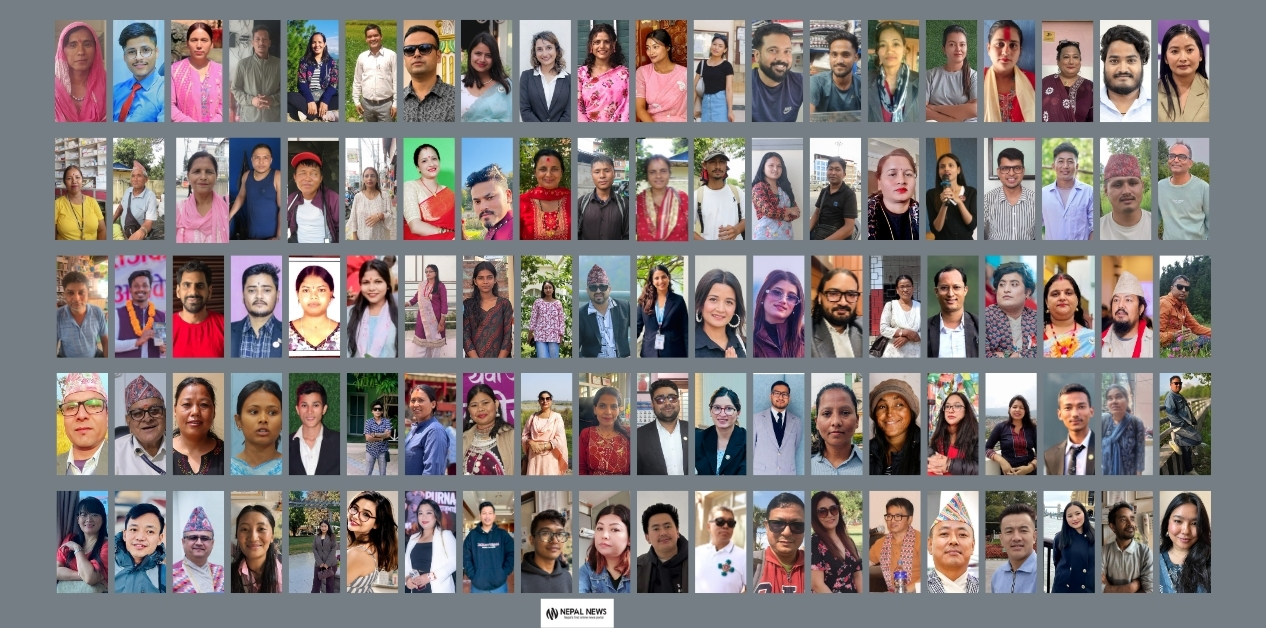
We asked 100 people across Nepal and abroad: “How do you evaluate the first 100 days of the RSP’s near two-thirds majority government?” Most of them described it as just “okay/average.” Although they acknowledged some new beginnings, public opinion on the government remains mixed. Furthermore, many feel that these efforts have not yet brought a direct, tangible impact to their daily lives.
In the first phase, respondents were asked to choose one option from: Excellent, Good, Okay/Average, Weak, or Very Weak. Following this, they were asked to provide reasons for their evaluation.
During the feedback collection, the goal was to capture the voices of 100 ordinary citizens, ensuring a representation of 10 respondents from each province, 10 from the Kathmandu Valley, and 20 from the diaspora. In selecting respondents, every effort was made to include women, youth, Dalits, Indigenous communities, persons with disabilities, gender and sexual minorities, students, farmers, small business owners, laborers, housewives, private sector employees, senior citizens, and residents from both rural and urban areas.
The responses point toward a common theme: hope in the government has not died, but that hope is currently on trial. Many see the steps taken against corruption, along with initiatives in good governance, controlling middlemen, expanding digital services, investigating assets, and administrative reforms, as positive starts. However, recurring criticisms have been directed at inflation, employment, taxes, access to education and healthcare, landless squatter management, statements regarding national borders, rushed decision-making, and the government’s approach toward the opposition or dissenting voices.
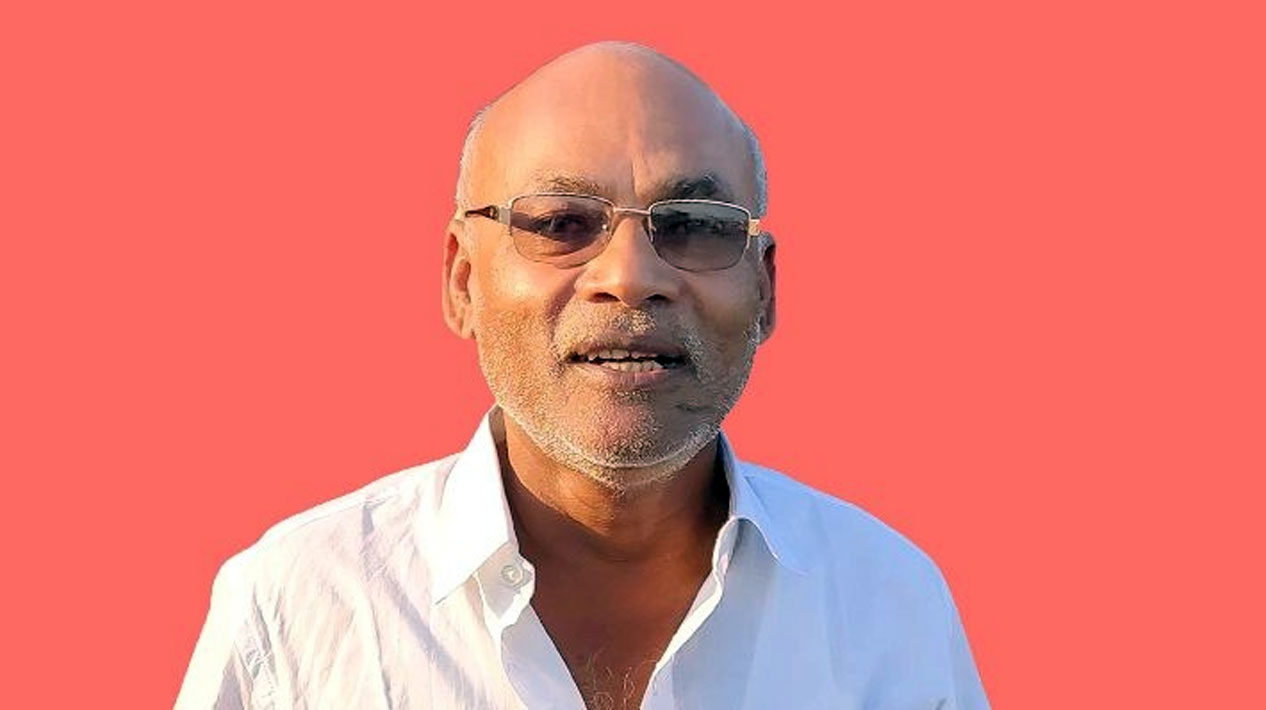
Some respondents noted that the government needs to be given more time. Others viewed these 100 days as an early indicator to understand the government’s overall direction. Bharat Paudel, an activist and businessman from Butwal, was among those who shared this view. According to him, 100 days is not the ultimate measure of any government’s long-term success, but it does signal its mindset and direction.
“I am optimistic about the government. Some positive beginnings and reform efforts are visible,” Paudel says. “It takes time for the impact of such changes to become visible, so the government must be given time to work. However, the results expected by the public must be seen in practice.”
He welcomes the expansion of digital government services and the operation of an integrated government portal. However, he believes measuring the tangible impact on citizens is more important than mere announcements. “The true measure of change is not announcements, but what the people actually experience,” he says. “Programs for tourism, investment, and employment must succeed in practice, not just on paper. Providing technical education, digital skills, and employment-oriented training to the youth is the need of the hour.”
Paudel added that the government’s emphasis on civil service reform, good governance, transparency, and accountability is positive. However, he noted that the tendency to make decisions without adequate preparation and to push bills through ordinances needs to be rectified.
Enthusiasm for the government is also evident in some responses from the diaspora. Jiban Katwal, a materials scientist and engineer currently residing in Texas, USA, evaluated the government’s start as “Excellent.” He stated that efforts are being made to reform all sectors by prioritizing good governance.
“The pace at which the government has been trying to work from the very beginning is commendable,” says Katwal, who holds a PhD in physics. “I am thrilled by the news that driving licenses and certificates are now being issued quickly and without hassle. I am optimistic that years of delays in other administrative tasks will also come to an end. It has just begun, and results will take time to materialize. But the start is excellent.”
Raj Khanal, a student currently in Japan, is also positive about the government’s initial actions. He considers the anti-corruption drive and the efforts to work at a fast pace as good signs.
“The current government is working at a rapid pace. It is clean, and it is taking action against those involved in corruption,” Khanal says. “The kind of effort the government is putting in during this short span of 100 days can be called very good. Since the start is promising, I hope it will do excellent work in the remaining time.”
In Sudurpashchim Province, public opinion regarding the government appears mixed. Basanta Pratap Singh, a journalist from Bajhang, considers the government’s 100 days to be average. In his view, the government has initiated some work in public service delivery, good governance, and administrative reform, but the impact has not yet reached a level where ordinary citizens can directly experience it.
“The government’s announcements and documents are attractive, but their impact on citizens’ daily lives is yet to be seen,” Singh says. According to him, efforts to simplify public service procedures, expand online services, and reform administration are positive. However, the impact on job creation, controlling inflation, and improving services down to the local level remains unclear.
Singh explains that he evaluated the government based on media news, public debates, government reports, and to some extent, his own daily experiences. “My hopes and expectations are mixed,” he says. “While the government appears to have started some reform efforts, their direct impact has not been felt in the lives of ordinary citizens.”
On the other hand, Khadka Raj Joshi, a civil society leader and INSEC Provincial Coordinator from Kailali, finds some of the government’s actions quite promising. He views the anti-corruption measures, administrative reforms, digital services, restructuring of ministries, and efforts to curb middlemen in public service offices positively.
“This government came to power by breaking through a political vacuum,” Joshi says. “The process of drafting essential laws and cleaning up the web of corruption spread across the country has begun.”
He considers the efforts to reduce the influence of middlemen, who operate under the guise of facilitation at land revenue and transport offices, as a highly positive step. He also views the promise to deliver licenses, citizenships, and other identity cards directly to people’s homes via digital systems as a welcome move.
However, Joshi is not entirely reassured either. He feels that some decisions were made in a hurry. “There seems to be an undue rush in implementing certain agendas, such as the squatter problem and border issues,” he notes. “These matters required meticulous study, which I feel was lacking.”
Some youth respondents from Gandaki Province appear more skeptical of the government. Abhiyan Baraili, a student from Kaski, says that while the government’s 100 days have been average, it has failed on questions tied to the Gen Z protest. In his view, the government has started tasks but failed to complete them.
“The current government is indeed working. However, not everything it promised has materialized in action,” Baraili says. He complains that the Gen-Z reports and the Karki Commission’s report have not been implemented. He also notes a lack of clarity regarding arrests and prosecutions.
He adds, “Action does seem to be happening. News of someone being arrested comes out constantly. However, it is unclear whether they were actually prosecuted, or whether they were found guilty or innocent.”
Baraili considers the rapid publication of secondary and higher secondary level exam results as a positive. However, he mentions that when objections were raised about it, it remained unclear who would investigate and how. “It feels as though Gen-Z issues have been ignored. Work was started, but not finished,” he says.
According to him, the primary demand of the Gen Z protest was to find out who opened fire and to bring the guilty to justice. “Right now, that issue seems to have been entirely sidelined, and the government appears focused on other things,” Baraili says.
Srishti Acharya, a sub-engineer from Parbat, views the government’s performance as weak. Her dissatisfaction is tied to the management of squatters, inflation, and the overall style of governance. “My first objection is recruiting individuals under the age of 18 as political party cadres,” she says.
She is highly sensitive about the management of landless squatters. “It is difficult to even speak about the issue of squatter management. I feel I cannot do justice to it even when I speak,” she says. “Two people have lost their lives. The condition of children and postpartum women is terrible. Even if citizens of our own country made a mistake, is that how they should have been managed? That is my question.”
Acharya believes inflation is not an issue where one can simply wait and watch. “On the issue of inflation, you cannot say ‘let’s wait and see.’ The grassroots people are being directly crushed by it,” she asserts. In her view, government rules seem designed with the upper class in mind. “The problem does not lie with just one ministry or minister; it is the style of governance,” she says. “Nothing will change until we adopt a governance style that connects citizens and distributes resources equitably. The method of governing itself must change.”
Such responses indicate that public psychology toward the government is not one-dimensional. Those who support it do not do so blindly, and those who criticize it do not dismiss all of its work. Many citizens view certain initiatives as positive beginnings, but their primary concern lies in how these initiatives will be implemented in practice.
The core themes recurring in public feedback include good governance, corruption investigations, service delivery, digital services, controlling middlemen, squatter management, inflation, employment, education, healthcare, taxation, and the state’s inclusive practices. Citizens are looking for delivery over announcements. For them, 100 days does not represent the government’s final exam, but rather an initial signal.
The essence of public opinion regarding the government’s 100 days is clear: the government has kindled hope, but to sustain that hope, it now needs implementation over announcements, results over image, and visible improvements in daily life over popular stunts.
Below is the opinion of 100 citizens:
Koshi Province
Abisha Bishwokarma
Kanepokhari Rural Municipality-6, Morang Looking at the current government’s actions, things seem to be improving. The government has initiated several good steps. For instance, it has prepared a list of tasks for the first 100 days and is trying to move forward accordingly. Making a list of achievable tasks is a positive start in itself.
Aakriti Phuyal
Duhabi Municipality-12, Sunsari
The decisions made by the government seem rushed. There does not appear to be adequate study when making decisions. The decision to remove squatters in Kathmandu might not be wrong in itself, but where were the displaced squatters relocated? Even after all these days, the state has failed to manage them. It looks as though squatters living in holding centers after being given Rs 25,000 are being left stranded. For the landless, this step feels like a state of lawlessness. The government has also failed to perform well in the sector of persons with disabilities. The budget for the upcoming fiscal year has failed to address persons with disabilities; instead, previous budget allocations have been slashed.
Gita Shrestha
Gauradaha Municipality-1, Jhapa
As the government nears its 100th day since formation, the work it has initiated looks promising. The start of quick and efficient service delivery in government offices is positive. Employees now seem to stay until office closing hours. If staff are not found at an office, raising the issue with the grievance officer yields an immediate response. This marks the beginning of positive work. The government has started working on good governance, which is a good aspect.
Binita Yakha Limbu
Dharmadevi Municipality-1, Sankhuwasabha
The Rastriya Swatantra Party had stated in its election agenda that it would provide employment within the country for Nepalis living abroad. Even as the government completes nearly 100 days since its formation, it has failed to arrange employment. Therefore, the government’s performance cannot be considered good at this point.
Mahesh Chaudhary
Biratnagar Metropolitan City-6, Morang
Some good initiatives started by the government are visible. I appreciate the good governance campaign launched by the government. Investigating the assets of former ministers and high-ranking bureaucrats serves as an initial model of good governance. The government seems to be trying to maintain peace, security, and good governance by moving forward this way. Therefore, the initial work can be considered okay.
Meena Khanal
Bhojpur
The government has made a good start. Public grievances are now being heard immediately. Service has become quick and efficient in government offices, and services can be obtained during office hours. It has shown that good governance is possible if the government has the will. Middlemen are now being swiftly brought under control. The government has also taken action at transport offices, where service seekers are now receiving quick and efficient service.
Meena Pokharel
Laligurans Municipality-9, Tehrathum
The government currently seems to be acting out of excessive vindictiveness. It appears that the work Balendra Shah could not do when he was just the mayor of the metropolitan city is now being initiated after coming into the central government. In the name of removing squatters in the Kathmandu area, it failed to manage them properly. This felt like the government’s efforts hit a snag right at the start. The government also delayed intervening to reopen tea industries when they shut down. The current government also does not seem accountable to Parliament.
Muskan Shrestha
Dharan Sub-Metropolitan City-16, Sunsari
Some good aspects are visible in the actions taken by the government in its 100 days. Some positive beginnings have also occurred for the sexual and gender minority community. The biggest achievement is that this community now has representation in Parliament. Honorable Bhumika Shrestha has been consistently raising our community’s issues in the House and before the government. It is a good step that the issues of sexual and gender minorities, along with women and children, have been integrated into the ministry’s structure.
Biru Sah
Biratnagar Metropolitan City-11, Morang
Since this government came to power, one can feel that service delivery in government offices has become faster. In the past, there was a trend where doctors and health workers would not stay until their scheduled hours at government hospitals. Currently, at Koshi Hospital in Biratnagar, doctors can be found in the OPD from 9 am until evening. Patients can get their OPD tickets in the morning and show their test reports by the afternoon. Previously, after getting a ticket and seeing a doctor, reports could only be shown the next day. Service delivery in government offices is gradually improving. This is a positive aspect.
Sushil Sah
Biratnagar Metropolitan City-9, Morang
Some actions taken by the current government look promising. In previous years, it used to take three months to publish the SEE (Secondary Education Examination) results. The government has brought out the results within a month of the completion of the SEE exams, which is a good aspect. Government office hours have also been strictly set from 9 am to 5 pm. Service seekers have started receiving services within the designated timeframe. The government seems to be attempting to do very good work. This is a good start.
Madhesh Province
Abhijit Kumar Ram
Bara
Clarity is visible in the work being done by the current government. The government is moving forward by planning its tasks. The chaos seen in the operation of past governments is not visible now. The policy adopted by the government against corruption, which stands as the country’s biggest problem, has created fear among the corrupt. Service delivery in government offices has also improved.
Khushi Jha
Janakpurdham Sub-Metropolitan City-12, Dhanusha
The government has not been able to work according to expectations. No concrete plan for job creation is visible. Although employment was promised, it has not been fulfilled. The biggest problem for the public is inflation, making it difficult for ordinary people to make a living. Development and construction works are still facing delays in many places. The change that the public can directly feel is yet to be seen. No solid improvements have appeared in the education and health sectors either.
Jyoti Thakur
Janakpurdham Sub-Metropolitan City-10, Dhanusha
By broadening the tax net on education, the government has created an unnecessary burden on the public. This will add a financial strain on parents and could violate citizens’ fundamental right to education. Some improvements are visible in government operations. However, because monitoring mechanisms have not been deployed, the work often depends entirely on the mindset of individual employees. The government must deploy monitoring mechanisms to give people the feeling of a new administration.
Nitu Kumari Sah
Janakpurdham Sub-Metropolitan City-12, Dhanusha
The current government is running a campaign to rid the country of corruption and is taking action against corrupt individuals. Services provided to the public have improved. Delivering services online has put an end to the old state of affairs. Previously, one had to leave all work aside and stand in lines for hours; that has now improved. With the system of providing government services online in the country, it is expected that government work will be completed on time and delays will be reduced.
Nityananda Mandal
Dhanauji Rural Municipality-5
The government has failed to incorporate the sentiments and opinions of marginalized communities. It does not appear to have brought forward concrete policies and plans to meet their aspirations. No solid plan was visible in these 100 days for investment in agriculture and tourism development, which form the bedrock of Madhesh’s prosperity. The government also lacks a clear plan to strengthen federalism. On the contrary, the RSP’s policies have raised doubts regarding federalism.
Nishant Kumar Ojha
Manarashiswa Municipality, Mahottari
The new government’s objectives appear to be serving the public, maintaining good governance, and building a prosperous Nepal. The government has been advancing its operations smoothly. Since public expectations are high, the government must be working by formulating various plans. The concrete and strict steps taken by the government toward good governance have started giving people a sense of change. Youth-targeted programs are still needed. Since the budget brought by the government covers many issues, the path the government will take in the coming days has become somewhat clear. Under the current circumstances, the government’s 100 days of work look good.
Pratyush Thakur
Pipra Rural Municipality-7
The government has not brought forward any concrete plan to provide employment to the youth. Although improvements in education and health could have been made immediately, the government still appears confused even after 100 days. The government also lacked a solid plan for social sector reform. The public hoped that the government, which came with the slogan of change, would deliver transformation, but such a situation is not visible right now. Taxes have been increased on education and electricity. Customs duties are also causing hardship to the people living in border areas.
Ranjana Dubey
Janakpurdham Sub-Metropolitan City, Dhanusha
The current government is working systematically. Its operations are also commendable. Currently, reform is being prioritized in every sector. Employees have also started arriving on time at government offices. Tasks are completed on time, and the delays of the past have stopped. Consequently, public hope in the government has increased. There is confidence that the government will do even better work in the days to come.
Bijay Chaudhary
Jaleshwar Municipality-3
One hundred days is a short period to deliver work. However, the way the government has brought forward plans and attempted to create action plans by discussing them with elected representatives has kindled hope that it will achieve something. A desire to achieve results is visible in Prime Minister Balendra Shah. However, the extent to which taxes were raised and unnecessary taxes were added through the budget statement will heap burdens on the public. This policy of the government is set to affect people across all sectors.
Hemanti Kumari Majhi
Jeetpur Simara Sub-Metropolitan City-13, Bara
The new government started working immediately after taking the oath. When other governments were formed, there used to be a culture of ministers receiving congratulations and being welcomed with garlands at the ministry, but this government broke that tradition and prioritized work. Action has been taken against those involved in corruption, and many other tasks also appear to be underway. The government is fulfilling its role quite well.
Bagmati Province
Amrit Nepali
Balefi Rural Municipality-6, Sindhupalchok
Among the tasks performed by the government, several are commendable. However, some actions are not designed to ease the lives of ordinary citizens. Steps tied to good governance, such as altering tax brackets and enforcing traffic rules, are positive. However, the government has still failed to address grassroots people like us. I am dissatisfied with the policies regarding electricity tariffs and taxes imposed on education. Even though it involves small amounts, such policies and rules heavily impact those of us who survive on daily labor. When it comes to agriculture, the government should provide subsidies not just to large-scale commercial operators, but to small farmers as well. Policies must be drafted to include our class.
Aita Sing Ghalan
Hetauda Sub-Metropolitan City-12, Makwanpur
The government is doing good work in various places. Delivering results takes time. I feel it will gradually improve. The government has tightened security at the border areas. It has attempted to manage squatters. I believe it is trying to remove structures from places occupied by fake squatters under the guise of being landless to systematically settle the genuine ones. The government should provide self-employment opportunities for poor, suffering people and persons with disabilities. If that happened, we wouldn’t have to rely on assistance like this. The government still has a long tenure ahead. Therefore, I hope it will do something in this regard as well.
Indira Mishra Dhital
Bharatpur Metropolitan City-18, Chitwan
The government does not seem to have started working in line with the momentum of its formation. It needs to work by formulating long-term plans so that future negative impacts are avoided. Resolving the squatter problem cannot be achieved merely by vacating land. The government did not appear to fulfill its responsibility skillfully in this matter. We have also not heard of any significant work being done to operate industries. We need initiatives that open numerous industries to provide employment to the unemployed within the country and arrange part-time jobs. The government should have created a conducive environment for small farmers like us to farm easily, but actions have not aligned with farmers’ needs. Agricultural programs should be brought by looking at both large and small-scale farmers. Let’s see what they do in the coming days.
Tara Shrestha
Kalika Municipality-5, Chitwan
It feels like the government has been doing decent work so far. I don’t have much direct experience; I find out by listening to the radio and talking to others. There is widespread corruption in the country, and poor people have been exploited. I have heard that investigations are currently underway against those involved in corruption, which is a good thing. However, there is a grievance regarding the eviction of squatters from their dwellings. The government has promised to give land ownership certificates to the poor; now, it remains to be seen whether they will actually deliver them.
Rudra Bahadur Chepang
Ichchyakamana Rural Municipality-7, Dahakhani, Chitwan
I don’t know much about the work done by the government. I have heard bits and pieces. It has demolished the houses of squatters and removed them from the riverbanks. I have also heard it promised to manage land for the squatters. If it settles them, it will be good. I do not fully understand what the government has done for farmers like us. However, I hope they do something good for us. It would be beneficial if they ensured good prices in the market for small farmers like us and provided necessary fertilizers, seeds, other materials, and irrigation facilities.
Laxmi Koirala Basnet
Melung Rural Municipality, Dolakha
The government has now initiated good work. There seems to be a strong possibility that many things will continue to improve. Supervision over government office hours and service delivery has tightened. Middlemen have decreased in local offices. Halting middlemen to establish a system is a good step in itself. Policies and rules existed before, but they were never implemented. The tradition where laws are made but never enforced seems to be gradually disappearing. Looking at the overall picture, I feel a system is being implemented and the beginning of change has already occurred. Easy access to services and facilities is exactly what we, the public, seek. Therefore, I evaluate this government’s 100 days of work as a progression toward improvement.
Bimala Acharya
Kalika Municipality-3, Chitwan
I have been hearing that good work is underway. This time, I appreciated that school-level exam results were published much earlier than before. The work being done to enforce traffic rules currently is also commendable. I like the decision to stop importing vegetables from outside to promote domestic production. This creates employment opportunities, even if on a small scale. It allows us to consume domestic produce and benefits agriculture. This must always be prioritized. If farmers are encouraged, its impact will be felt across all sectors.
Shanti Adhikari
Bharatpur Metropolitan City-5, Rambag, Chitwan
I have liked the work done by the government so far. Investigating and arresting those who committed corruption is a good step. It would be great if the government created an environment where people can work and earn according to their capacity and qualifications. It would be even better if nepotism and favoritism ceased to operate. Farmers must also be prioritized. The government must support us farmers in agriculture. It has just started working; let’s see, hopefully, good work will happen in the coming days. It does seem to be trying to work, but nothing definitive can be said just yet.
Sita Kumari Chaudhary
Bharatpur Metropolitan City-10, Chitwan
Everything currently feels like it is running systematically. The work done by this government has brought improvements to education. Positive changes are also visible in the health sector. It seems to well understand the suffering and pain of women. Steps to penalize those involved in corruption have moved forward. Not only that, but discussions regarding respecting the work of security personnel and fulfilling their basic needs have also emerged. The government must punish corrupt individuals by formulating strict rules and laws. If it can take strict action against loan sharks who exploit and crush innocent people, the country will prosper.
Sujan Thapa
Bharatpur Metropolitan City-16, Chitwan
The blueprint of the programs provided by the government has not yet been fully realized. Now is not the time to evaluate. Let’s observe for a year to see its impact on good governance. Watching its work for a year is not an issue. I personally feel that provincial assemblies are unnecessary in a country with such a small geographical area. Now, it remains to be seen how the government will advance this issue and what it will do to deliver results. It also remains to be seen how it will maintain good governance and push programs forward in development and infrastructure. We require results. We had no hope that the old leaders would deliver. Now, work must happen within the system to deliver results rather than mere talk. Let’s see what happens next.
Gandaki Province
Anju Dahal
Kaski
Attempts are visible to reform the education sector. Results and re-examinations from SEE to Grade 12 are happening rapidly. Discussions have also emerged regarding not holding formal exams for children from Grades 1 to 5. Efforts toward reform are also underway in the administrative sector. Several appointments have been annulled, and new vacancies have been opened. It appears the government is trying to move toward meritocracy. It is executing tasks that people assumed it wouldn’t or couldn’t do. Work is being attempted in the field of good governance. It appears to be trying to systematically organize squatter settlements. Another feature I appreciate is the attempt to digitize government services. A system allowing the National Identity Card to be downloaded directly has been introduced. Other government mechanisms are also being targeted for digitization. I view this aspect very positively.
Aastha Nepali
Syangja
This government was formed out of massive public expectations and a strong popular mandate. The primary expectations were to end corruption, establish good governance, accelerate economic growth, and operate in line with the sacrifices and spirit of the Gen Z protest. However, the government has slipped badly. This is clearly illustrated by the context where information regarding tax rates was leaked illegally leading up to the budget speech to provide illicit gains to certain business houses, alongside the BYD vehicle customs incident. The taxes levied on education, health, and electricity also signal that the Nepali public will face severe hardships. Like preceding administrations, this government also appears engaged in nurturing its cronies. It has trampled upon the sacrifices of the martyrs of the Gen-Z movement. The expression given by the Prime Minister on a subject as sensitive as the nation’s borders reflects diplomatic immaturity in handling relations with friendly nations. The unprepared assault on landless squatters has caused immense pain to citizens. Organizations including students and trade unions have been suppressed in a Panchayat-era style. The state appears intolerant toward communities that require inclusion, such as Dalits. It has failed to present any innovative program to control inflation and manage governance and administration. Arrogance stemming from a majority is being displayed toward opposition political parties. Overall, the government has failed in its 100-day programs. However, a large section of the population still holds onto the hope that the government will correct its working style, policies, and programs to meet public expectations. While it might not be possible to fully evaluate a five-year tenure based solely on a 100-day program, the government’s policies and programs have failed to enthuse the public, much like the proverb “the morning shows the day.”
Ishwari BK
Kaski
What the government spoke through its mouth has not been reflected in its behavior. Work has not happened to the extent it should have. The public held immense hope previously, but it feels like not even 15 percent of the work has materialized in line with that hope. Merely stating it verbally is insufficient; work must be implemented in practice. The hope and trust of the public must not be allowed to shatter. Efforts must be made to wipe the tears of the citizens. It will be beneficial if the government delivers results; otherwise, the hope harbored by the people will gradually dissipate. The government has failed to stand by the promises it made.
Keshav Paudel
Kaski
The manner in which this government came to power and established a benchmark by displacing old forces is significant in itself. My belief is that the government’s intentions and objectives are correct. I retain hope that this government came to establish good governance, development, and system order—reasons for which it received a mandate and remains committed. The efforts made by the government so far signal exactly that. This government has kindled hope on several issues within a short span of time. The government has attempted to address the long-standing issue regarding asset verification. It has intervened in major irregularities and corruption scandals. Matters that were overlooked yesterday are now starting to surface. Those termed “big fish” are gradually being brought under the scope of investigation. This has helped establish the fact that those who exploit the state backed by power can come under the preview of law at any time, no matter how influential they are, proving that the law applies to powerful figures as well. The government has also played a crucial role in eliminating excessive political interference, which had become a major headache in civil service reform. The work being executed by the Ministry of General Administration in administrative reform is highly commendable. Labors toward reform are also visible in the educational sector. Nonetheless, I feel there are certain flaws regarding the government’s style and procedures. The government must remain vigilant and sensitive on highly delicate matters connected to public emotions. Following widespread questioning, the Prime Minister must clarify and respond to citizens. I do not believe all questions must be answered simply because the opposition raised them, given that the opposition’s role in Parliament has not appeared constructive. They are opposing merely for the sake of opposition, and hints of resentment over being sidelined are visible. However, on issues where ordinary citizens show immense concern and raise questions, the government must remain fully accountable to the people. Overall, I think the government understands that it must work, establish a system, and deliver to the public—which is precisely why the people granted the mandate. I trust that the government is moving forward with good intentions.
Prakriti Paneru
Kaski
I would rate the government’s work as okay. As someone who has been working in the field of disability and children, some issues have seen improvement. However, several matters do not yet seem to have aligned with the track of policy and systems. The government has made attempts. It has raised issues ranging from schools to training. However, despite the efforts, access has not reached everywhere. In Nepal, there is a requirement for P&O (Prosthetics and Orthotics) technicians in the field of disability. There is only one such technician in Gandaki Province. There is a shortage of such personnel across Nepal. This has made the management and service delivery for persons with disabilities difficult. The government must plan on what can be done to increase human resources. I feel work has not matched the mandate with which the government arrived. On Facebook, one sees posts like “Look, work is happening,” but experience suggests that reality does not mirror that. The Education Minister had specifically spoken about autism, but the question remains as to what work was actually delivered on it. Hence, one feels that work has not matched expectations.
Mahesh BK
Gorkha Municipality-3, Gorkha
I feel things are going well since Balendra Shah became Prime Minister. I trust he will deliver good results. I admire his style of working silently without talking much. Others merely spoke and delivered speeches; but I feel he demonstrates through actions. It brings joy to suddenly hear about good work being executed by the current government without verbal boasting. Employment opportunities must be created within the country, and the process to go for foreign employment should also be made easier. I am personally trying to go abroad. It would bring joy to hear about the country’s progress and the elimination of unemployment.
Rajesh Giri
Parbat
Several crucial decisions were made within a short span of time, efforts to improve good governance and service delivery were demonstrated, and a commitment to advance development and construction works is visible. A positive start can be experienced in several sectors. All problems cannot be resolved within 100 days. However, the government appears to have initiated work in the right direction. It will be even better if these efforts can be implemented more effectively in the coming days to deliver results that citizens can directly experience.
Ram Kumar Shrestha
Madhyanepal Municipality-3, Lamjung
In my opinion, the government is working. Everything does not transform all at once. The current government is moving forward in a satisfactory manner. It has achieved this much in 100 days. There is still ample time to work. How work progresses in the coming 100 days will be crucial. The government must work by connecting with the public. If tasks that directly relate to the public happen in one way or another, citizens will feel relief and public support can be won.
Sharmila Adhikari
Devchuli Municipality-2, Nawalpur
Some aspects seem okay, while others are weak. It appears to have done slightly more work compared to previous governments. I appreciate the aspect of enforcing policies and rules. However, I do not agree with the decision made regarding health insurance. Previously, facilities could be accessed at hospitals other than government ones; that has now been removed. Now, the government must work to ensure employment for as many people as possible within the country. People must be inspired to become self-employed. Consumption and promotion of domestic products within Nepal must be carried out. Job creation must be focused on herbs and other indigenous products of this region.
Shivakumar Ale
Tanahun
On average, several tasks have been executed well. There is an expectation that it might deliver something regarding good governance. Certain rules and ordinances seem to have been brought to make our lengthy procedural system quick and efficient. However, there is room for doubt within that. It appears that the majority government might be working out of a spirit of vengeance toward past political leaderships. There is a suspicion that it is trying to project leaders of various parties who held leadership roles in the past as corrupt before the public. It feels like an image stating “these people did nothing, they committed wrongs” is being forcibly constructed. The ordinary public held excessive expectations from the government. However, a strong foundation to immediately trust the work the government intends to do has not emerged. Squatter settlements needed to be cleared, which is a good thing. However, there is a feeling that their relocation was poorly handled. The printing of licenses by the transport office has taken place, which should be viewed positively. A controversy erupted when the Prime Minister spoke on the border issue. An individual who has reached an executive capacity should not speak carelessly as if engaging in casual conversation. The government should have advanced that issue diplomatically. It appeared slightly amateurish.
Lumbini Province
Alim Din
Butwal, Rupandehi
I like the work done so far. The government seems to be seeking change. Not all work can be completed in 100 days. I believe tasks will progress gradually. I have felt some sense of change. As a businessman myself, I found the regulation to mandatorily display the maximum retail price on goods to be positive. Regarding the practice of bringing in all kinds of goods across the border, I found out that restrictions have now been tightened on mangoes, bananas, and other vegetables. That is a good thing, as it encourages local Nepali production. I have also noticed some changes in education. I believe this sends a positive message across the country.
Anupama Shrestha
Butwal, Rupandehi
To some extent, I find the government’s 100 days to be decent. There are both positive and negative aspects. In most places, appointments and interference used to happen on the basis of political access. An effort has been made to end that. I am completely satisfied with the initiative to investigate the assets of political figures who reached high offices. On certain matters, it also exposed just how much the public had been lied to. Efforts have been made to make public service delivery efficient and to execute administrative reforms. This is also a positive aspect. However, there are some areas where the government’s work clearly needs improvement. There is a visible problem of working for cheap popularity and failing to deliver in practice what was announced. Challenges in industry, business, and employment remain the same. The government’s conduct has not yet fostered a positive sentiment among entrepreneurs. I am dissatisfied with the avoidance of Parliament and the practice of issuing ordinances instead of passing laws through the legislature. Some actions have also appeared immature.
Elisa Bhattarai
Rupandehi
In a democracy, populism sometimes elevates grotesque rulers to power. The current government appears to be formed by three individuals from distinct backgrounds coming together: an individual who self-proclaimed their release by escaping from prison by taking advantage of a moment when national structures and buildings were burning; an individual who instigates the public via social media; and an individual who played a game of provoking Gen Z’s peaceful protests while presenting themselves merely as a volunteer distributing water.
I view this from four angles. First, there has been an assault on economic security. In the name of protests, private sector businesses—which play a crucial role in creating employment in the country—were attacked. After reaching power, the general helpless and lower-class citizens were also targeted. This shows that this government has failed to ensure the economic security of any individual.
Second, questions have arisen regarding national interest. This government is led by an individual who issued statements against national interests regarding the nation’s sovereignty, independence, and borders.
Third, a gap has appeared between principle and practice. The government, which previously attacked fraternal organizations of other parties, argued they should be dissolved, and claimed appointments would be based on merit lists, has itself reached a state where it deems individuals with specific political backing as excellent candidates for political appointments.
Fourth, intolerance toward the opposition is not a good sign for democracy. I believe that while the state belongs to the government, the floor of the House belongs to the opposition. However, the current government does not seem to properly address the voice of the opposition in Parliament. This signals that in the near future, the public might depose the government straight from the streets.
Usha Pandey
Chhatradev, Arghakhanchi
I feel the government has done some work that could be achieved within 100 days. Everything cannot be fulfilled right away. However, this period provides certain indications. The government seems to be working in a way that seeks revenge against old parties. Evidence should have been secured before arresting former prime ministers or ministers. It appeared as though they were arrested simply to put them in their place. Penalizing corrupt individuals is a good thing, but the current government must also remain cautious in doing so. It feels like a situation is emerging where current ministers and MPs can do whatever they please. There is a trend of hurling reckless abuse on Facebook if anyone criticizes the government. That is not right. It must be understood that they were voted into government because they are new and young, not to let them act arbitrarily.
Babita Dhital
Banganga Municipality, Kapilvastu
I am highly optimistic about this government. I do not see a situation where it has done terrible work so far. Previous governments also had their chances. Now that a young leadership has arrived, I feel they should be given some time. From the very beginning, this government seems to be trying to work in a new way. I like some of the government’s initiatives. The idea of granting land strictly to genuine landless squatters is good. It is not right that those who already possess plenty of land should receive or demand plots under the guise of squatters by using the influence of party leaders.
I believe the government needs to make some improvements regarding traffic rules. Abroad, rules are strict and facilities are provided accordingly. However, a situation where rules are strict but facilities are non-existent in our country is not ideal. The government needs to think about this. Improvements must also be brought to the functioning of government offices. We face a problem where the Prime Minister and ministers in government are young with forward-thinking mindsets, yet the bureaucrats show reluctance to process the public’s work. This must be reformed. Whatever rules the government creates, they must be implemented, and corresponding facilities must be provided. I hold onto hope that some improvements will happen in the country. I stand by the view that youth should be given a chance.
Prem Aryal Resunga
Gulmi
Some of the government’s actions so far are good and commendable, while others are poor. Certain tasks seem to have been carried out without any prior preparation. I appreciate the step of arresting and detaining leaders who drained the state coffers. However, it would have been better to conduct a thorough investigation first, identify the guilty, and then send them to prison. I feel the government’s preparation fell short in this regard. As things stand, it ended up looking like a mere stunt.
The government was also unprepared regarding the squatter issue. Before removing people from encroached public lands, preparations should have been made to determine the most appropriate alternative. Instead, bulldozers were deployed all at once to evict them, and only then did they start planning what to do next.
Another aspect I disliked is the call to dissolve student organizations. It cannot be that students shouldn’t understand or learn about politics. It is fine if fraternal organizations of political parties are kept out of schools and colleges, but it would be ideal if student councils were formed to address student issues, raise their voices, facilitate mutual learning, and ensure full inclusivity. I feel the budget brought some relief to the middle class, which is good. However, merely increasing taxes is not the answer.
Manikar Karki
Tilottama, Rupandehi Looking at how the government is being run, its activities do not align with democratic values, the rule of law, and the expectations of the general public. The government seems to function based on the whimsical thoughts and mindsets of a few individuals. There is a lack of concern for the basic needs of the public. The government appears to be operating in an opaque manner.
The government does not seem focused on reforming the Nepali society and economy or resolving structural complexities. It appears to be trying to present itself in a populist style. The government has failed to reform the economy and restore trust within Nepali society. The hope and trust that citizens held during the elections are fading. Today, the fact that every professional, citizen, and businessman is living in fear indicates that trust in the government has not been established.
Despite chanting slogans of good governance, the government has failed to work toward achieving it. The journey toward good governance remains lost in the clouds. Many of the government’s decisions seem to be made at the personal discretion of a few individuals, as demonstrated by several incidents. A pattern has emerged where individuals are arrested and detained without a comprehensive investigation into public allegations, followed by a scramble to gather evidence, which they then fail to produce. This does not bode well.
Furthermore, the volatility of the stock market demonstrates that the government has failed to earn confidence in the economy. There appears to be an attempt to monopolize and bully the judiciary. The government seems to be heading toward discretionary rule. Nevertheless, some announcements regarding administrative reforms can be viewed positively.
Manu Khadka
Butwal, Rupandehi
I found some of the government’s 100-day tasks to be good, while certain matters appeared a bit amateurish. The government must cater to the concerns and anxieties of all types of citizens. Protecting public property by removing those who encroached on government land is a good step. However, when evicting squatters, they should have been systematically managed and relocated. A reign of bulldozer-terror has been unleashed against landless Dalit squatters, spreading fear and anxiety among citizens. The government should have made prior preparations to manage basic needs like food, shelter, and clothing as expected by the public.
Hidden malpractices are coming to light. Corrupt activities that were covered up are now being exposed, which is positive. The morale of citizens living along the borders should have been boosted, but that did not happen. Apologizing to the impoverished and marginalized communities is a good gesture, but it must be taken toward legal implementation. This government must work in a way that allows the poor and marginalized to feel that a genuinely good administration has arrived.
Resham Neupane
Devdaha, Rupandehi
Good work was achieved for our community. Acknowledging our sentiments, the ministry has been named the Ministry of Women, Children, Gender and Sexual Minorities, and Social Security. Many issues have been addressed well. Regarding the rights of gender and sexual minorities, Nepal was historically recognized as a country that provided a progressive space in South Asia. This will hopefully continue and become more structured. However, a major problem we face is that policies and laws are formulated, but implementation remains extremely weak. I pray this will not be the case in the coming days. I would also like to suggest that the government work accordingly.
Awareness about our community must be raised within the government machinery. Article 12 of the Constitution secures the right to obtain citizenship based on lineage and gender identity, and this must be implemented. Accordingly, opportunities must be provided in education, healthcare, and employment.
Samundra Ghimire Chhetri
Dumre, Palpa
Having thrown myself into the movement for change, I was extremely optimistic. However, what was promised did not materialize. We, the youth, do not demand much. When visiting government offices for administrative tasks, I did not feel any improvement. No matter how much they talk about good governance and change, nothing has changed in practice.
I am not happy right now compared to what I expected from the government. Reforms cannot happen overnight by magic, but the public expects improvements in small things. Attention must be directed toward fulfilling those. The government might be working quietly behind the scenes, and something might happen over the five-year term. However, the necessary improvements in small day-to-day matters have not occurred.
I feel there might be a lack of coordination between elected representatives and bureaucrats. Look at the roads; the road at Siddhababa is in a worse state than before. Issues in the electricity sector remain unchanged. One cannot blindly support everything. I believe we must speak up about the problems we experience and see, and reforms must happen. While public expectations lie on one side, the working style has gone in the opposite direction. If we are to talk merely about slogans, we have already heard the slogan of “Prosperous Nepal, Happy Nepali.” We joined the movement precisely because that concept remained confined to slogans.
Karnali Province
Anjali KC
Salyan
The current government does not seem to have prioritized Karnali in its work during these 100 days. Even from the perspective of the gender and sexual minority community, people from this community in Karnali have not been able to come out openly compared to other places. The primary reason for this is a lack of awareness. The government has not brought forward any special programs on this subject during its tenure so far. The government has also failed to advance concrete plans for the children, Dalits, and other marginalized communities of Karnali. Obtaining citizenship remains a hassle for the gender and sexual minority community. I have not found the government introducing any plan within these 100 days to facilitate this.
It is positive that the issues of the gender and sexual minority community have been linked with the Ministry of Women and Children. Currently, there is one MP from this community in the House of Representatives. In the days to come, the government must work to ensure the continuous representation of this community in provincial assemblies as well.
Adarsh Bikram Singh
Dailekh
The government has sent a positive signal by deciding not to hold formal examinations from Grades 1 to 5. This could reduce the situation where students face excessive exam pressure. The government seems to be moving toward continuous learning and evaluation through technology rather than making students rely on rote memorization. Discussions are also underway regarding making public services quick and efficient. The government has made efforts to deliver passports to homes via postal services, bring land revenue offices under a single-window system, and provide driving licenses swiftly.
I have also noticed that the practice of getting away by saying “I am so-and-so’s person” during traffic rule violations has decreased. Efforts to reform the provincial structure are also visible. While I do not agree with dissolving provinces entirely, if expenditures are cut by heavily restructuring the provincial cabinets and administrative frameworks, it will be beneficial for the country.
Narayan BK
Surkhet
The government has now brought forward the issue of asset laundering (anti-money laundering). This is positive in its initial phase, as it will open files on those involved in corruption. However, some bias is also visible in this process. The efforts being made by the government for administrative reform are decent. The commitments made by the government’s ministers have raised expectations.
Pramila Budha
Surkhet
The government has attempted to tighten policies and rules across various sectors. The proposal regarding traffic fines is welcome. Some have interpreted this as an attempt to burden the public, but I feel this makes citizens safer rather than merely forcing them to pay fines. If rules and laws become strict in the country and are fully enforced, citizens will also become cautious. The government also seems to have adopted good diplomacy regarding border issues. The Prime Minister’s statement that Nepal might have also encroached on borders was interpreted by some as criticism of his own country. I do not see it that way. I feel the government is trying to concede 10 to reclaim 90.
The government is currently working by forming an investigation commission for asset laundering. In the past, the situation was such that good governance was absent, corruption ruined the country, and citizens could not prosper. This step of the government has kindled hope. The government has also tightened measures at customs checkpoints. Such regulations were needed to regulate businessmen who evade customs to bring in goods and reap excessive profits. Businessmen must look beyond mere earnings and consider the contribution they can make to the state.
Pushpa Giri
Jajarkot
The government has attempted administrative and policy reforms. Efforts are visible to deliver digital services, end delays in government operations, and reduce the hassles faced by the general public. A government cannot be expected to deliver entirely result-oriented work within just 100 days. Initiating the process is a good thing in itself, but the initiated efforts must be result-oriented and sustainable. The government has made efforts to reopen old files and initiate legal processes for good governance and corruption control. Efforts to increase pace by monitoring infrastructure construction and service delivery are also visible.
However, the current government has failed to properly manage squatters. Attempting to remove settlements without securing a proper alternative has stripped citizens of their basic rights. The government has increased current expenditure for the upcoming fiscal year. This signals that the government has failed in maintaining fiscal discipline and controlling wasteful expenditure.
Laxmi Kanya Budha
Jumla
The government has not performed exceptionally brilliant work within its 100 days. However, it cannot be called weak either. The government seems to be trying to establish order and systems. The government has initiated the process for asset laundering investigations, but this work should have started from its own members. The Home Minister was suspended over asset-related issues, but was later reinstated while keeping the report confidential. This made the government, which claims to establish good governance, appear to step outside the bounds of good governance itself. The public voted for new leaders because the old ones turned corrupt and power-hungry. The new leaders must not replicate the old tendencies. The government cannot achieve everything within 100 days, but some of the initiatives underway are decent.
Sabitri Bhattarai
Surkhet
Ever since I gained political awareness, I had only seen two or three recurring faces leading the government. Now, a new and young leadership has arrived, which is exactly what the public wanted. This government has made efforts to expedite government services. I have felt that those working within government bodies have become more accountable toward their duties. The government has also taken initiatives to serve the public by maximizing the use of technology. Files on corruption that were never opened before are now being uncovered. The government’s initiatives within its 100 days to discourage corruption and maintain good governance are commendable. Hearing the decision to open the royal palace massacre file has sparked hope that files thought to be permanently closed might finally be investigated.
I appreciated the government’s decision to dissolve student political wings in universities. While student organizations provided an opportunity to voice opinions, favoritism from organization leaders was also rampant. It is better not to have organizations that create such divisions. The government has also made positive strides in education. In previous years, students had to wait four months for the results of Grades 10, 11, and 12, whereas now results were published within a single month. Although many are dissatisfied with the outcomes, order can be gradually established to produce satisfying results. Preparing to eliminate formal exams up to Grade 5 is also a good step because students will get an opportunity to learn for practical life rather than just for exams. The initiative to provide 10 percent of beds for the impoverished in private hospitals, women’s safety, compliance with traffic rules, and the amendment and formulation of laws show the government is trying to do well. However, despite these positive actions, the presence of the government is yet to be felt in remote regions like Karnali.
Suresh Kumar Khadka
Surkhet
Looking at the work executed since the formation of the government, it appears good. Unlike in the past, the government has not maintained a large number of ministries; it has cut expenditures by reducing the number of ministries. The ministry responsible for working in science, technology, and innovation was previously merged with another ministry, due to which minimal work happened in this sector. Now, a separate Ministry of Science, Technology, and Innovation has been established. Some essential acts have been brought forward, even if through ordinances. Much of the work the government needs to perform is yet to be observed, but the start made within 100 days is positive.
Swastika Pandey
Surkhet
A government does not necessarily finish all tasks in just 100 days. However, some initiatives taken by the government are commendable. Nevertheless, the work does not seem to match the extent of hope shown to us and the expectations raised through social media. Citizens held immense expectations from the government solely based on what they saw on social media. The initiation of that should have been visible within 100 days. Looking at it positively, certain tasks that could have been achieved within 100 days might have been stalled due to friction within Parliament or the administrative sector. Overall, the government’s performance is average, and there is no situation that warrants heavy criticism immediately.
Hikmat Malla
Kalikot
The public holds immense expectations from this government. Built on the foundation of the Gen Z protest, ordinary people harbor deep hopes for good governance from this administration. Although not everything has matched public expectations, the government has initiated some good work within its 100 days. Efforts to end political syndicates in education and dissolve unnecessary trade unions within the civil service administration are positive. These steps can help bring education and the civil service administration back on track.
However, the government has failed to properly manage landless squatters. Inflation has escalated further, yet the government remains silent. When ordinary people are hit hard by inflation, the government should have taken some measures. The Prime Minister’s remarks on the border issue in Parliament also do not appear to have been clearly addressed.
Sudurpashchim Province
Kamla Shahi
Bajura
The government’s agenda for tasks to be achieved within 100 days was excellent. However, it did not appear able to work according to that agenda. Inflation is currently rising even further. There are no jobs. Service delivery has not improved. The price hike of daily consumer goods, which I experience firsthand, is making it difficult to even conduct business. Delays in government offices remain the same. I am disappointed because tasks did not align with the agenda brought by the government.
Gita Chaudhary
Kailali
First of all, I appreciated that inclusive representation based on ethnicity and geography was ensured during the cabinet formation process. Following that, during the 100 days of performance, efforts have been made to remove the rampant influence of middlemen from government offices to marketplaces, creating an environment for structured access to services. That is an excellent step.
Currently, farmers engaged in vegetable cultivation are able to send their products directly to the market. Because of this, farmers have received the prices they deserve. The situation where one had to pay middlemen for minor tasks in government offices also appears to have decreased to some extent.
The process of holding political leaders and those involved in corruption accountable—who have been consuming state benefits for years—has been sustained. Currently, everyone seems aware that corruption must not be committed. Local farmers have been able to benefit directly from the work that prioritizes domestic production within the open market policy with India and emphasizes domestic agricultural marketing.
Similarly, the practice of setting up an online grievance redressal mechanism and addressing complaints has been sustained. This is my own experience. During this period, some impact has occurred in my daily life. I have felt a change in the conduct and complexities one used to face when visiting an institution as a service seeker.
Deepak Khadka
Doti
As a tourism entrepreneur, I have not felt the expected improvements from the government regarding tourism promotion, infrastructure development, service delivery, and a business-friendly environment. Much work is still required in tourist attraction, destination management, road and transport facilities, and policy facilitation.
Adequate improvements are not visible in subjects directly linked to tourism, such as roads, drinking water, sanitation, information management, security, and publicity. I have also felt that the necessary facilitation for operating a business is facing delays. Efforts to increase tourist arrivals, organize local destinations, and coordinate with the private sector have not been efficient enough.
I say this based on my own commercial experience, the local conditions visible in the tourism sector, and publicly available news and information. The failure to improve tourism infrastructure and service management as expected has directly affected my business income, tourist satisfaction, and local economic activities. In the coming days, I expect the government to prioritize the tourism sector and deliver effective work in infrastructure, security, publicity, and business-friendly policies.
Padam Bahadur Saud
Dadeldhura
The daily life and lifestyle of the people in rural areas remain exactly the same as before. The public here is yet to experience the feel of a new government. Inflation has escalated further. The government has broadened the tax net under various names. Problems regarding roads and drinking water remain unchanged. Extensive promotion of work being achieved is visible on social media, but the problems of the public here remain the same.
Even today, one has to stand in lines for Cetamol at the hospital. People face situations where they must travel uncomfortably at exorbitant prices. The style of working in service-providing institutions around our district does not appear to have changed. The government’s 100-day checklist came out looking highly attractive, and I was also initially very happy. However, expectations turned out to be grand while the actual work felt limited.
Bhagirath Labad
Baitadi
The government currently appears focused on institutional and policy stability. Efforts are underway to bind the federal, provincial, and local levels to a specific system by drafting necessary acts, laws, and guidelines.
Some policy decisions and strategic plans initiated by the government are crucial. Preparations to amend the Education Act and regulations, alongside efforts to bring policy clarity through the National Curriculum Framework and drafts of the Federal Education Act to align the education sector with federalism and modernize it, have been made. This can encompass both uniformity in curriculum and the addressing of local needs.
Similarly, under the Digital Nepal Framework, the government appears to have adopted a digital system on a policy level to eliminate administrative delays and maintain good governance. Policy decisions to transform sectors such as public service, transport, passports, and school management into online systems can make service delivery institutional. I have made this evaluation based on what I have directly seen, experienced, and from the insights of my own professional field.
Due to policy frameworks, sycophancy or confusion in administrative work has decreased. When it is legally clear which task is performed how and from where, execution becomes smooth, which has reduced unnecessary stress in daily professional life. However, even though policies look excellent on paper, practical complexities remain in their literal implementation. My expectation is that the government will implement these policies and rules firmly by freeing them from political interference, and further secure the career development and safety of teachers, civil servants, and ordinary citizens on a policy level.
Manish BK
Kanchanpur
I have evaluated the government’s 100 days of work as just okay. The government appears to have made positive efforts in some areas. However, concrete achievements have not been visible as expected regarding the rights of the gender and sexual minority community, inclusive policies, a safe environment, and equal access to public services. Therefore, it cannot be called very good, nor can it be deemed very weak.
I have based my evaluation on public service delivery, good governance, social inclusion, the government’s conduct toward the gender and sexual minority community, and the protection of rights. Although policy discussions and inclusive commitments are visible, our community has not experienced a resolution to the discrimination and practical problems faced in health, education, employment, and public services. Programs and budgets have also not appeared effective in addressing the needs of this community.
This evaluation is based on my own experience and plight. No major positive transformation has been felt in my daily life or that of my friends from the community during this period. Challenges regarding identity, respect, and equal treatment when obtaining certain government services remain unchanged. In the future, I expect the government to ensure the rights of the gender and sexual minority community, execute effective implementation against discrimination, create employment opportunities, make public services more inclusive, and build a safe environment.
Roshni Koli
Doti
I liked the government’s 100 days of work. As a student, I appreciated the rapid publication of board exam results, which allowed students to start their studies on time. Development and construction works also seem to be progressing at a fast pace. Previously, when traveling to Kathmandu, there used to be heavy traffic congestion on the way, but I have experienced significantly less traffic now.
While good work is happening, some problems persist. Inflation has risen. Airfares have skyrocketed all of a sudden. Prices of food items are also rising, hitting students directly. The government had stated it would create employment for students within their own country alongside development works. The expectation is that a policy for this will be formulated and implemented quickly. I also wish to request that a scholarship policy be framed and enforced for economically weak and meritorious students.
Bed Awasthi
Kailali
Some positive work has occurred. However, improvements are still needed in service delivery, good governance, and development construction so that citizens can experience them directly. This is my own experience. Although efforts toward reform are visible in health, education, and social security services, expected improvements have not materialized in problems like bureaucratic delays, unemployment, and inflation in many places.
The government has failed to operate effective programs for women, single women, conflict victims, and marginalized communities. Steps taken toward corruption control appear to be merely for show. Public services must become fast, simple, and transparent. My expectation is that public grievances should be listened to with sensitivity.
Shivahari Sharma Mudbhari
Kailali
The newly formed government brought an excellent 100-day action plan. However, I felt the work is being carried out in a rushed and haphazard manner. Every single task executed so far lacks meticulous study, nor is an alternative visible. Building a nation requires more than just constructing roads. It is vital to strengthen education, healthcare, and employment. Instead of providing free education, the government broadened the tax net and fixed taxes on electricity.
To strengthen the economy, the government should have sought ways to operate closed industries. Instead of seeking ways to scale up investment, it seems to have frustrated even those wishing to invest by broadening the tax net everywhere. The action plan is good, but seriousness was lacking in the method of execution, which is why the public is facing hardships.
A rule was made stating goods worth more than 100 rupees cannot be brought in from India, but no alternative was provided on how to generate production within Nepal. Squatters were rendered homeless, but no alternative was presented regarding their long-term relocation. While discussing self-employment within Nepal, it feels like those who were employed have also been rendered unemployed by amending policies. Alternatives should have been sought for all these matters first, and only then should action have been taken. Only then can performance be evaluated accurately. Otherwise, it looks as though tasks were executed merely to get into the highlights.
Sanu Chaudhary
Kanchanpur
The current government’s performance on its 100-day agenda looks like it has merely executed sporadic tasks. It does not appear to have worked clearly. Decisions seem to have been made in a rush to show that work is being done, due to which I have experienced a weak implementation side.
The government stated it would annul certain decisions regarding constitutional bodies or political appointments. Political appointments made to the Nepal Academy of Fine Arts, Nepal Academy, and Nepal Academy of Music and Drama, among others, were annulled. However, the new formation process has not yet been successfully concluded. Many things have been left stranded.
Artists have reached a state where they are forced onto the streets. Due to the failure to form new committees, many tasks are in limbo. Even if the agenda was good, a situation emerged where work is put on display without being completed. This is why the implementation side turned out weak. Instead of claiming to achieve numerous tasks in 100 days, if a few agendas had been selected and completed thoroughly, visible results would have emerged. Civil servants have faced situations where they haven’t received salaries, and posts remain vacant in many committees. How then will implementation occur? I am disappointed because many tasks look abandoned.
Kathmandu Valley
Ankit Jha
Balkhu, Kathmandu
I am a legal professional. We uphold the principle that whatever happens must align with the law. We talk about the rule of law. We have also been raising our voices regarding the malpractices existing in society.
In the past, we filed a writ petition regarding the affiliation of Janak Maharshi University in Janakpur. The previous government continued student admissions despite the court issuing an interim order. We had drawn the attention of the current government to this as well. Instead of controlling it, the government has acted to expand it further.
The government does not seem to have worked even on basic issues. For instance, the condition of the state-owned telecommunications company has not improved. Executing major works of good governance might take time, but it has failed to pay attention even to simple matters like improving the network of Nepal Telecom. Drawing the government’s attention to various problems has not yielded solutions. Personally, things feel worse now compared to before.
Anita Pandey
Nagarjun Municipality-2, Kathmandu
Now is not yet the time to evaluate everything. Time remains to make a full evaluation. The government has not executed any work so far that makes one say “wow.” A government elected with a massive popular mandate should work to bring about long-term transformation.
Expectations from a government that secured nearly a two-thirds majority are naturally grand. How it moves forward in the coming days will determine many things. However, the manner in which work is currently progressing is inefficient. Tasks are being carried out in the same old fashion. The government must move forward by adhering to the law and its due processes.
Ganga Pradhan
Kathmandu Metropolitan City-27, Kathmandu
I am happy with the government’s initial days of work. Improvements are visible in traffic management in Kathmandu. Traveling to and from the office on a scooter used to present a major traffic problem. Currently, traffic rules are being enforced strictly, making commuting slightly easier.
Due to office work, I have to visit the land revenue office continuously. Improvements have occurred in the service there as well. A separate dress code has been arranged not just for government civil servants, but also for individuals stationed to assist. Work has started moving slightly faster at the office regarding the issues we present. Therefore, I find the government’s work commendable.
Dipa Nepali
Kirtipur Nagaun Dobato, Kathmandu
In terms of work for marginalized communities, absolutely nothing has happened. Bureaucratic delays and ignoring the voice of the public, just like in the past, must not continue. This government was formed on the premise of establishing good governance and controlling corruption. Since the common people raised questions on this matter, the government should have addressed them as quickly as possible, but it is practicing avoidance.
The public granted a massive mandate, so expectations are naturally grand. However, the government does not seem to have worked even a bit. Development does not belong to just one class or gender; it must be something that all people can experience. Instead, the government deployed bulldozers to demolish their settlements.
Dhana Pariyar
Kathmandu Metropolitan City-16, Banasthali, Kathmandu
Like past administrations, the current government also appears weak. The government is weak across all sectors, including economic and physical domains. Crime existed previously as well, but criminalization has now become more rapid. Even though it is claimed that they arrived with such massive transformation and a mandate, since activities mirror the past, it must be termed very weak.
Even when looking at the policies, programs, and budget brought by the government, a continuation of the old patterns is visible. Executing tasks and bringing reforms might take time, but the government could have worked on prevention and control currently. The government’s attention does not seem to have directed toward that either.
Namrata Thapa
Madhyapur Thimi Municipality-3, Kaushaltar, Bhaktapur
This government was elected into office with such a massive popular mandate. Despite that, it has failed to make an effective start. What is the one thing this grand government executed that makes people say “wow”? Nothing is visible.
We sought reforms in the education and healthcare sectors. The intent was to make it accessible for everyone, but taxes were levied on those very sectors. When a government with nearly a two-thirds majority brought the budget, some transformation should have been visible, but that also failed to turn out well. The government’s focus should have been on job creation, which is also not visible. Inflation has escalated even further. People have started stating that trades and businesses have been ruined.
In the midst of this, what positive event occurred in people’s lives? Nothing at all. Therefore, I consider the current start as weak. Publicity-oriented work happened more than sustainable and concrete work.
Biraj Thapa
Madhyapur Thimi Municipality-6, Bhaktapur
The two-thirds majority given to this government was granted on the basis of very high expectations. However, the government has failed to function accordingly. One reason this government secured a two-thirds majority is also the absence of a “NOTA” (None of the Above) alternative. Many chose a new alternative with the mindset that voting for the Congress, UML, and Maoists was no longer viable.
However, the government’s method of working currently appears identical to that of the old parties. The budget presented a golden opportunity to bring about transformation, but a budget of the same old mold was introduced. Programs were brought forward by merely changing their names while keeping the old formats. It also does not appear able to keep foreign relations in balance.
This government won the election on the agenda of good governance, but it has failed to deliver in that sector as well. The situation feels as though it has deteriorated further. Another issue is the recurring pattern of arbitrary arrests followed by releases by the courts. This raises questions regarding the government’s preparation and legal processes.
Yuvraj Tamang
Suryabinayak, Bhaktapur
Development does not happen all at once, so I won’t blame the government just yet. It appears they are trying to do something. They are trying to make everything transparent. They are trying to deliver services in the way people want. That is a good aspect.
However, there are weaknesses too. Those in government seem to lack maturity. They want to work, but they speak haphazardly. The Physical Infrastructure Minister spoke about breaking the legs of contractors, which does not suit the dignity of the position. The Prime Minister himself spoke in Parliament about Nepal’s borders being encroached upon. On such matters, those in government must speak with sensitivity.
Rampyari KC
Salyantar, Kirtipur, Kathmandu
I cannot see. I go from shop to shop and office to office with a friend to sell incense sticks. It wasn’t right of the government to scrap the Sunday holiday. Our income decreased; in such a situation, how can we say this government has done well?
When offices and shops were open on Sundays, there were more places to sell. Now, the selling places have decreased. It might be fine for those who have jobs and fixed salaries, but it wasn’t right for us. Our income has also decreased compared to before. Bus fares have increased. Oil and rice have become expensive. I am even hearing rumors that the allowance we receive is being reduced—they say it has been lowered from five thousand to four thousand. This is not good.
Sabin Bhandari
Madhyapur Thimi Municipality, Bhaktapur
People I have met recently have mentioned that office work gets done faster now. That is a good thing. However, some things seem mismatched. MPs and leaders tend to speak haphazardly. People in government need to be mature.
Once work is started, it should be brought to a conclusion. When anyone says whatever they feel like, it creates controversy and hampers the work. The public sent this government with a massive mandate. Therefore, expectations were high, and they still remain. There is also plenty of time to work. In the coming days, they must move forward by correcting mistakes and weaknesses.
Diaspora
Ajay Agrawal
Japan
The government consists entirely of youth. Even the Prime Minister is younger than me. Their thinking and way of working are good. Compared to the past when things ran on the vision of the elderly, the current situation running on the youth’s vision is much better.
Previously, 2.9 million people had to wait for years without getting a driving license, but I heard that now 2.6 million have received their licenses within three months. In land revenue offices as well, one does not have to wait for a long time like before. Improvements have been made in the land revenue and transport offices, which were previously known as hotbeds of corruption.
Anju Ghising
Hong Kong
The government has made a good start on many fronts. However, it failed to show humanity regarding the management of landless people. The country has issues lasting for many years, and it takes time to solve them. But when trying to bring change in just one or two days, the government itself might fall into trouble.
Change takes time; rushing into things won’t work. Even though the intention is good, the working style does not seem practical or humane. Therefore, I evaluate the government’s 100 days of work as average.
Anusa Rai
Brunei
The working style of the previous government and the current government is very different. The current government’s actions seem to speak louder than its words. Those in previous governments had a tendency to give speeches but deliver no work. I like the current approach of speaking less and focusing on the job.
Indu Tamang
UK
I feel that the Balen government has brought a lot of changes within 100 days in Nepal. Kathmandu’s environment has become clean. Youth have started finding employment within the country. Looking at the hard work the government is putting in to do something for the nation right now, I feel they will do very well. This government has shown results right at the beginning by doing the work that the old government failed to do.
Krishna Bhakta Dangol
Japan
Kathmandu has had a squatter problem for a long time. I am from Lalitpur. Whenever I went towards Thapathali, I used to see the poor condition of the squatters. They were at high risk during the monsoon. Others had failed to solve the squatter problem. I like the step taken by the Balen government for its management.
Gagan Nepali
Qatar
Initially, the government tried to do well. However, as they keep working, it feels as if they haven’t been able to find their rhythm. As a student of economics, I feel that the two-day holiday implemented by the government increased economic activity in the market. Domestic tourism has also increased, which has directly and indirectly boosted opportunities.
The Ministry of Home Affairs’ style of working just to show results without proper study and preparation has prevented it from being effective. However, hope is not yet lost. If this government fails, we will fall behind by another five years.
Tara Rai
UAE
Initially, I felt the government did well by arresting corrupt leaders. But after arresting them without proper investigation, they had to be released. The way the houses of squatters were demolished and they were chased away did not feel right.
It is not that everyone living on the riverbanks had houses and land elsewhere. Chasing them away without studying real squatters was wrong. This incident showed that Prime Minister Balen, his party, and his ministers cannot understand the lives of squatters. It feels like most of those currently in government do not know what poverty or hardship is.
Dilip Bantawa
Korea
First of all, looking at some of the Prime Minister’s behaviors, it shows he is illiberal towards this system. Presenting policies and programs and then abruptly running a question-and-answer session in Parliament without prior notice shows his indifference toward established laws and procedures.
Secondly, democracy means following a system. However, adherence to such a system or method is not seen anywhere. Evicting squatters is a prime example of this. Arbitrarily arresting various political and private sector individuals and failing to justify the arrests in court is another example of violating procedures.
Appointments seem to be made in a way that mocks ‘meritocracy’. In the context of passport printing, putting diplomatic relations with friendly nations at stake, people from the Prime Minister’s secretariat pressured the heads of constitutional bodies, detained high-ranking ministry officials, and a minister even detained private-sector individuals in their own secretariat—these activities are entirely contrary to the law.
Thirdly, questions of good governance have been raised against many actions of a government that was formed by promising good governance. Ethical questions have also arisen. A few days after taking the oath, when questions were raised about a minister, he was removed and another was immediately appointed. However, when similar questions were raised about another powerful minister, an investigation committee was formed, the committee gave a ‘clean chit’, and he returned to his previous ministry. Different standards for two ministers of similar status; is this good governance?
Having said that, some substantially positive works have also taken place. Efficiency in government offices, timely publication of school and university results, attempts to end political interference in all sectors, and trying to solve the squatter problem with priority can be put on the list of positive works.
However, on a website said to be sponsored by the government itself, until the 97th day, only 54 points out of ‘100 days, 100 points’ were shown as completed. Many of those tasks seem to have been checked off merely to turn the specified points green on paper.
Neha Shrestha
Canada
In my opinion, the start of the new government looks promising. Therefore, I evaluate its first 100 days of work as ‘good’. Since the government is new, all changes might not be visible immediately, but the working style feels more organized than before.
Efforts are being made to increase transparency in government operations, make decision-making open, and reduce corruption. It is felt that government services are being made faster and more effective than before. Especially, leadership with new thinking like Balen has raised hope among the youth that change is possible.
Although I am currently in Canada for my studies and career, my love and hope for Nepal remain the same. If there is good employment, development, and opportunity in Nepal, there is hope that youth abroad like us can also return to our own country and work.
Therefore, my expectation is that the new government maintains this momentum and works even more effectively in good governance, transparency, job creation, education, health, and economic development. If an environment where one can envision a future in Nepal is created, the hope for this government will grow even stronger.
Pashupati Ghimire
USA
Even though the objective appears good, the methods and processes are not correct. The governance of a nation should not be run by an impulsive and rash small coterie, but through broad dialogue with the Parliament and the public.
In the craze to do something new, established laws and methods should not be violated; instead, they should be refined. Foreign relations and diplomacy must be mature. The grassroots people have not been able to feel relief. The government should become a support system for them, not a source of trouble. There should be self-reliant and self-employment-oriented education and economic policies. However, the government does not seem to be heading in that direction.
Phurnima Lama
Israel
Rather than calling the government’s first 100 days a complete success or failure, it can be taken as a positive start. Within a short period, a commitment toward good governance, transparency, corruption control, improvement in government service delivery, and working according to public expectations has been visible. Some policy decisions and reform efforts have generated hope and trust among the people.
However, since the real impact of these works will be seen in the long term, effective implementation and result-oriented work are necessary in the coming days. Therefore, the government’s 100 days of work can be evaluated as ‘good’.
Bikash Rai
Malaysia
I like the work done by the government so far. It is working for good governance by supporting those who do good and taking legal action against those who do wrong. I like the signs shown by this government right at the beginning. Since there is still a lot of time left, there is hope that it will perform well.
Manusha Sthapit
Hong Kong
The government has made good efforts to improve the health and education sectors. Making passports and driving licenses is not as troublesome as it used to be. Doing this much in 100 days is a sign of good work. There are educated youths in the government. I believe they can do very well over the course of five years.
Squatter management was also carried out with a good intention. The government stated they were removed to protect them from floods. When any work is done, it affects someone or the other. But since the objective is good, I think the government will manage the genuine squatters as well.
Muna Chapagain
Dubai
Looking at the government’s work, it seems like they are trying to do something. However, it is hard to understand what exactly they are aiming for. It looks like they are trying to work by causing fear and threatening people. They are still learning how the executive, judiciary, and state mechanisms operate. Those currently in government do not seem to have much depth of knowledge.
The Prime Minister’s approach seems to be to push through forcefully. The news in the media about his secretariat is also not very positive. We only get to know things based on what comes out in the media. Judging by their statements and behavior in the press, it feels like those currently in government do not understand the entirety of Nepali society. Therefore, delivering work has not been easy. What Kathmandu finds convenient may not be convenient for the outside regions. It is necessary to understand that there is diversity across the entire country.
Another thing, whether it is a desire or a craze for everyone to go viral, or because they came to power on its strength, a lot of attention seems to be directed toward social media clout. The issues they have put their hands into also look messy and don’t really seem to have reached a proper conclusion.
It was said that previous leaders did nothing and that ‘we will create jobs in the blink of an eye’, but that didn’t happen either. Because of that, it feels like disappointment is growing. There was a protest saying only ‘nepo babies’ got opportunities, but now it turns out many of those reaching power are nepo babies themselves. It’s easy to preach to others, but hard to practice—I think they might have realized this by now.
Mahendra Dahal
South Korea
The works that the government had promised to do in 100 days are still in progress. The things achieved have not been implemented everywhere yet. Disputes among ministers are also visible from time to time. Looking at the first 100 days, a positive vibe has certainly arrived, but it hasn’t become 100% positive. Therefore, it can only be called average.
Rima Gurung
Japan
Work gets done faster than before. Roads have been expanded, and they have been made better for pedestrians on sidewalks. Actions like removing those occupying government land and properly managing genuine squatters have felt extremely good.
Birendra Hang Labung
USA
The government has focused on development and construction works. It has brought contractors who do not complete work on time within the scope of legal action. This is a very positive step. Similarly, corrupt individuals are terrified by the government’s actions. Therefore, the government’s initial 100 days of work can be considered good.
Sanjay Yangbang
Canada
Although the government seemed to want to take some positive steps in its initial 100 days, practically it hasn’t appeared that effective. Even though it is said that various plans have been implemented for improvements in areas like basic public needs and state structures, they haven’t appeared on the surface yet.
There are some challenges in implementation. The problems of unemployment and inflation persist, which the government does not seem to have adequately addressed. While it looks like policies have been formulated, not much attention has been paid to execution.
The economic policy brought forward currently seems to address the wealthy class rather than the basic needs of the public. Policies benefiting limited individuals cannot address the basic needs of the people. However, some policies that make one optimistic in other sectors seem to have arrived. Therefore, it cannot be called more than average.
Haricharan Rai
South Korea
Looking at the government’s 100 days of work, it doesn’t feel like Ramrajya (a utopian rule) has arrived. However, it does look like they are trying to do good. One could experience faster work in the fields of justice and administration compared to the old system. It feels like within 100 days, ordinary citizens have been able to experience actual democracy. Investigating previous irregularities is also a positive step. Therefore, the government’s 100-day effort can be called good.
Hikmat Limbu
New York, USA
In the previous government, there was a tendency to desperately seek power but pay no attention to work. However, the current government seems driven not just for power, but to actually achieve something. Looking at this government’s style of working up to 100 days, it appears to have discouraged corruption. This is a good piece of work done at the start. I hope they do even better work ahead.