Kathmandu
Sunday, July 19, 2026





Balen, 36, has become Nepal's 43rd Prime Minister
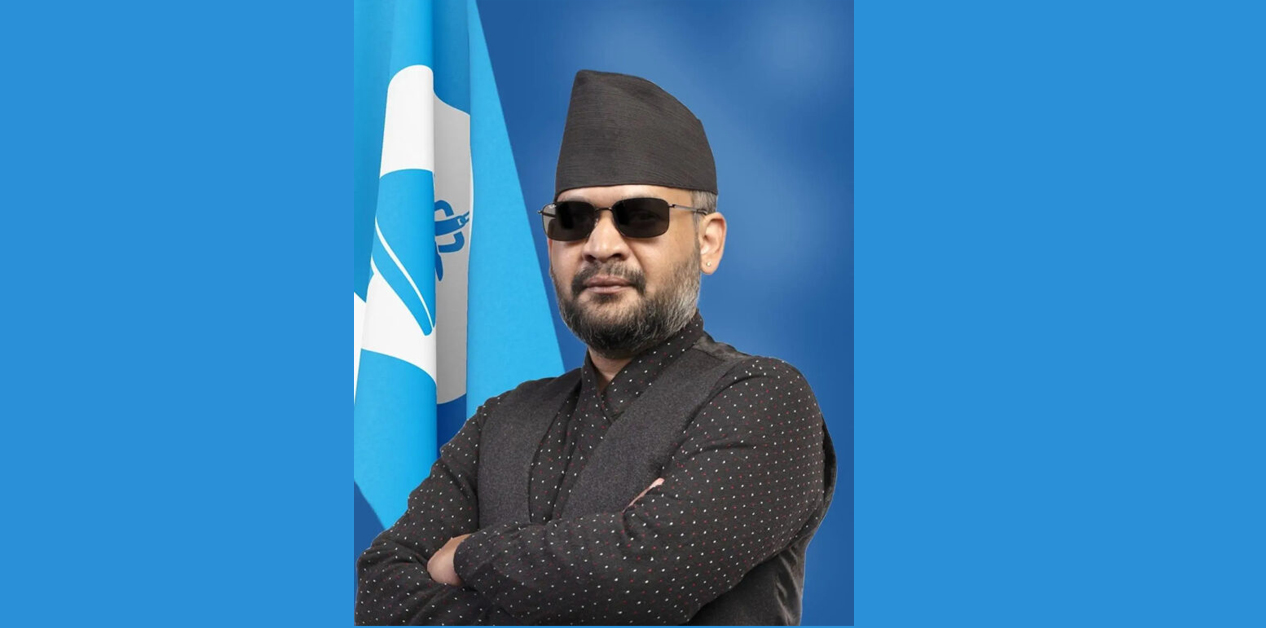
KATHMANDU: Balendra Shah (Balen), senior leader of the Rastriya Swatantra Party (RSP), has become the country’s 43rd Prime Minister. He is being sworn in today (Friday) at the auspicious time of 12:34 in the afternoon.
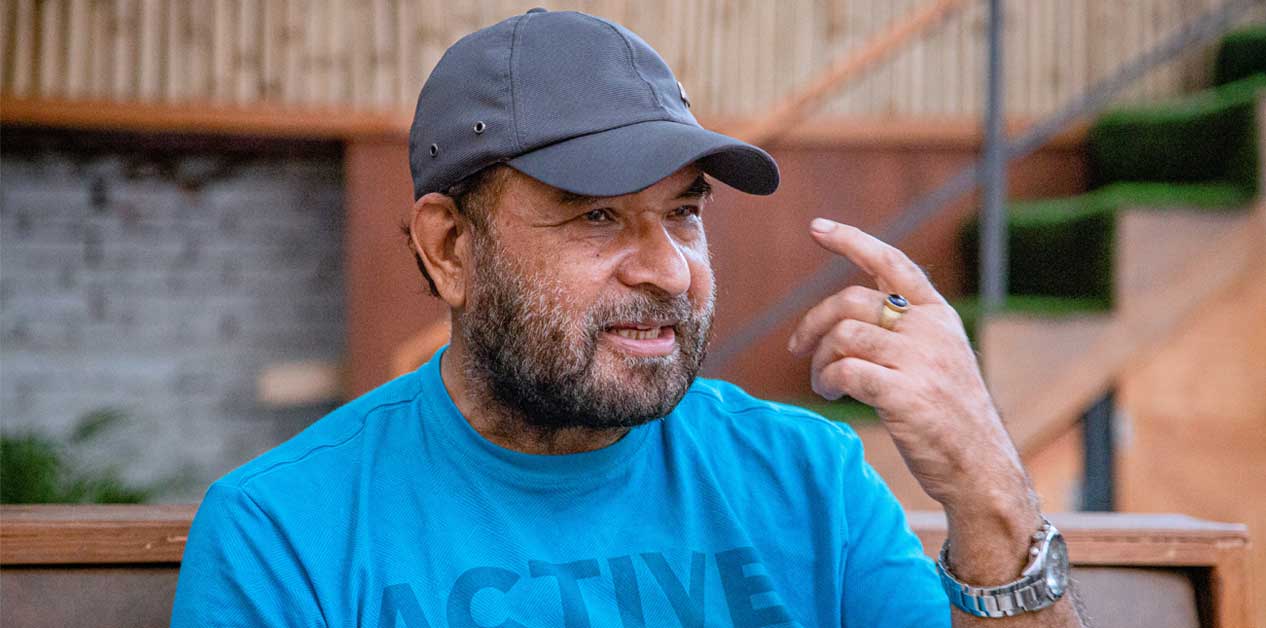
Balen, 36, who made his name among the younger generation as a rapper, is set to become the first Prime Minister from the Madhesi community. He was born on 27 April 1990 at Naradevi in Kathmandu to his father Ram Narayan Shah, an Ayurvedic physician, and his mother Dhruva Devi Shah.
He completed his Bachelor of Engineering in civil engineering at Himalayan White House College in Kathmandu and his master’s in structural engineering at Visvesvaraya Technological University in Karnataka, India. He is currently a doctoral researcher at Kathmandu University.
Thirteen years ago, Balen’s first rap Sadak Balak was released on YouTube. He went on to gain a following among the younger generation through rap battles, with his lyrics largely addressing political and social dysfunction. His more recent tracks, including Balidan and Ma Nepal Hanseko Herna Chahanchhu, have become popular among young people, who received them as messages of change.

Photo: Balen’s Facebook wall
Having connected with youth through rap music, Balen threw himself into relief and rescue work after the 2015 earthquake, reaching an even wider public. His political awareness had always run through his lyrics, and riding his popularity, he stepped fully into the political arena. In the 2022 local elections, he stood as an independent candidate for Mayor of Kathmandu Metropolitan City. Defeating candidates from established political parties, he won the mayoral election – a result that surprised many. His fame then spread beyond Nepal’s borders, as international media picked up the story of the rapper who became a mayor.

Photo: Balen’s Facebook wall
After being elected Kathmandu Metropolitan Mayor, Balen prioritized reforms in education and health, and the revival of cultural heritage. But his relations with the then-government of KP Sharma Oli, which he had sidelined to reach the mayor’s seat, were strained. He also drew controversy for demolishing houses built in violation of road standards, deploying bulldozers in squatter settlements, and removing street vendors. UML leaders in government at the time were sharply critical of these actions by the metropolitan city.
Balen had taken to social media to express his frustration with the government and old parties over the obstruction and opposition from political party representatives to certain work within the metropolitan city.
Balen had taken to social media to express his frustration with the government and old parties – both over the federal government’s appointment of a controversial official as chief administrative officer and over obstructions from political representatives to certain metropolitan works. The perception that he was trying to do good work but was being denied cooperation and harassed by the old parties only expanded his support base.
While reluctant to speak to the Nepali media, he remained a constant presence in international outlets. Time magazine included him in its list of the World’s 100 Emerging Leaders in 2023.
Even after becoming Metropolitan Mayor, Balen continued to use social media to speak out against the dysfunction of the government and political parties. On 4 September 2025, the Oli-led government decided to block 26 social media platforms. In protest against this ban and against corruption, the Gen Z movement erupted on September 8. Balen publicly expressed his support for the movement through social media.
The government opened fire on the demonstrators. Nineteen people died in a single day. Then on September 9, widespread destruction followed – the Parliament building, Singha Durbar, the Supreme Court, the President’s residence, and government and police offices across the country were set on fire and looted.
Balen was not seen anywhere on the streets during the movement, but he faced accusations of providing support from behind the scenes.
Associate Professor Amrit Kumar Shrestha of Tribhuvan University says that although RSP’s pre-election manifesto contained ambitious plans, delivering on them once in government will not be easy.
After the Gen Z movement, then-Prime Minister Oli resigned. In the ensuing vacuum and uncertainty, voices from within the movement called for Balen to become Prime Minister. But he showed no interest in this. It became publicly known that he did not wish to lead an interim government and preferred to become Prime Minister by winning an election. He did not appear publicly in any of the dialogue and initiative around what to do in the aftermath of the movement. But he had already become a center of power. Through social media, he urged the Gen Z movement to enter into talks with the Nepali Army.
In line with Balen’s own proposal, a government was formed under former Chief Justice Sushila Karki, which was given the responsibility of holding elections within six months.
Once the election date of March 5 was confirmed, talks were held between Balen and the Rastriya Swatantra Party. On 4 January 2026, RSP nominated Balen as a senior leader.
Balen then resigned as Kathmandu Metropolitan Mayor on 18 January 2026 and formally joined RSP. Immediately after joining, he headed to Jhapa constituency number 5 to contest against UML Chairman Oli. RSP went to voters with Balen as its prime ministerial candidate in the March 5 election.
In the Jhapa constituency centered on Damak, Balen defeated Oli, a seasoned political operator who had won the seat six times since 1991, served as minister twice, and become Prime Minister four times, by a margin of 49,614 votes. Balen received 68,348 votes to Oli’s 18,734. Largely because of Balen, RSP won 30 of the 32 seats in Madhesh Province.
The man who six years ago – in a rap made public then – called the leaders ‘thieves’ and demanded that the government let people speak is now taking charge of the government himself.
After taking the oath as a newly elected House of Representatives member on March 26, RSP elected Balen as leader of its parliamentary party, opening the path to the prime ministership. Under Article 76(1) of Nepal’s Constitution 2072 BS, he has been appointed Prime Minister of a majority government on Friday – the first time a single-party majority government has been formed under this article since the new constitution was promulgated in 2015. The man who six years ago – in a rap made public then – called the leaders thieves and demanded that the government let people speak is now taking charge of the government himself.
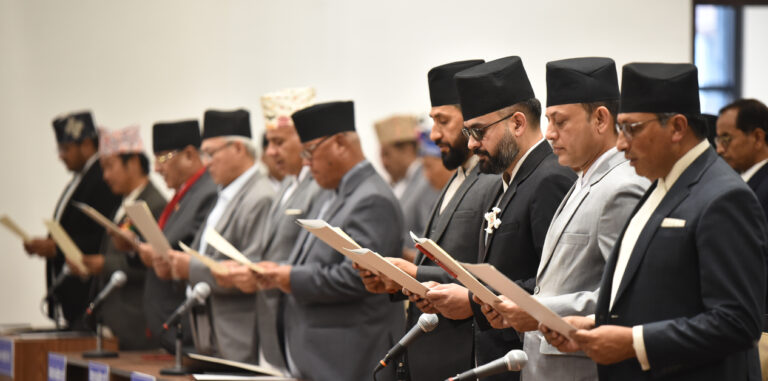
Balendra Shah taking the oath of office and secrecy as an elected MP on March 26. Photo: PJ Club
Balen, who lacks long experience in politics, faces what appear to be considerable challenges as Prime Minister. Political scientist Dev Raj Dahal says that Balen, who came to power because voters seeking change were disappointed by governments that governed for themselves rather than for citizens, faces various challenges. “People who were fed up and disappointed with the old parties’ governments have placed great expectations by voting for change. Meeting those expectations will be the challenge for the Balen government,” he says. He adds that because the country’s bureaucracy and other mechanisms remain the same as before, making the slogan of change a reality will not come easily for Balen.
Associate Professor Amrit Kumar Shrestha of Tribhuvan University says that although RSP’s pre-election manifesto contained ambitious plans, delivering on them once in government will not be easy. “There is a big difference between raising your voice from the outside and running the government yourself. It will be easier for Balen if he moves forward taking the advice and guidance of experts,” he says.