Kathmandu
Sunday, June 21, 2026





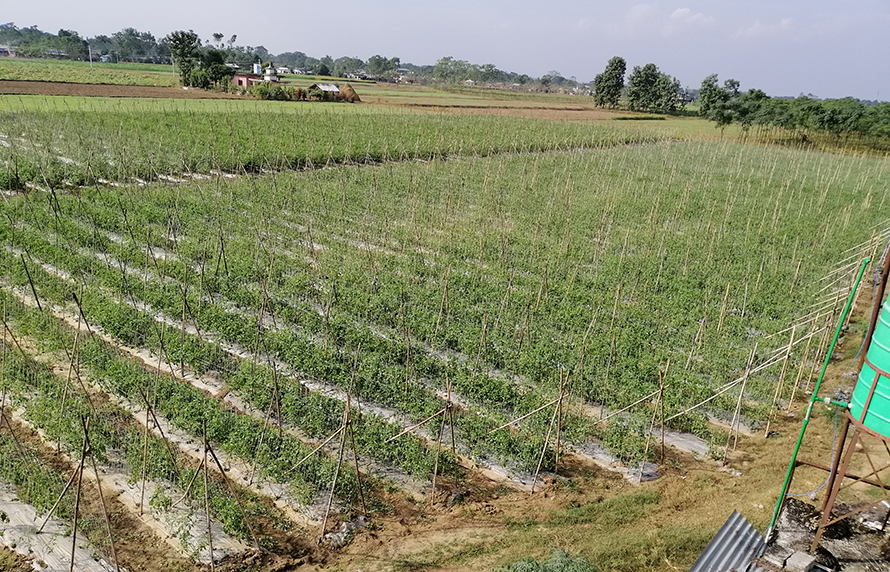
KAILALI: The National Agriculture Modernization Program in Kailali has been helping farmers shift from traditional farming methods to mechanized, commercial agriculture through the introduction of modern technology and subsidy-based support.
The program operates specialized zones across the district, including wheat, oilseed, paddy, and fisheries zones, aimed at improving productivity through mechanization and improved farming systems.
According to Sanju Upadhyay Rimal, Chief of the project implementation unit, various agricultural machines and inputs have been distributed under subsidy schemes in the current fiscal year to reduce reliance on manual labor.
In Janaki Rural Municipality-4, Beej Briddhi Agricultural Cooperative Limited received a four-wheeled rice transplanter under a 75 percent subsidy, which has already been used to transplant paddy across 12 hectares of land. Cooperative Chair Vijay Kumar Kathariya said the machine has reduced costs and addressed labor shortages, noting that manual transplantation is both expensive and time-consuming.
Similarly, in Bhajani Municipality-6, the Shubhakamana Community Farmers’ Group received a 50 percent subsidized package for its spring rice cultivation program, including power tillers, irrigation motors, diesel engines, a rotavator, pesticides, and water delivery pipes.
The program has also expanded into livestock and entrepreneurship initiatives, including buffalo farming aimed at supporting meat production and youth-focused agribusiness development.
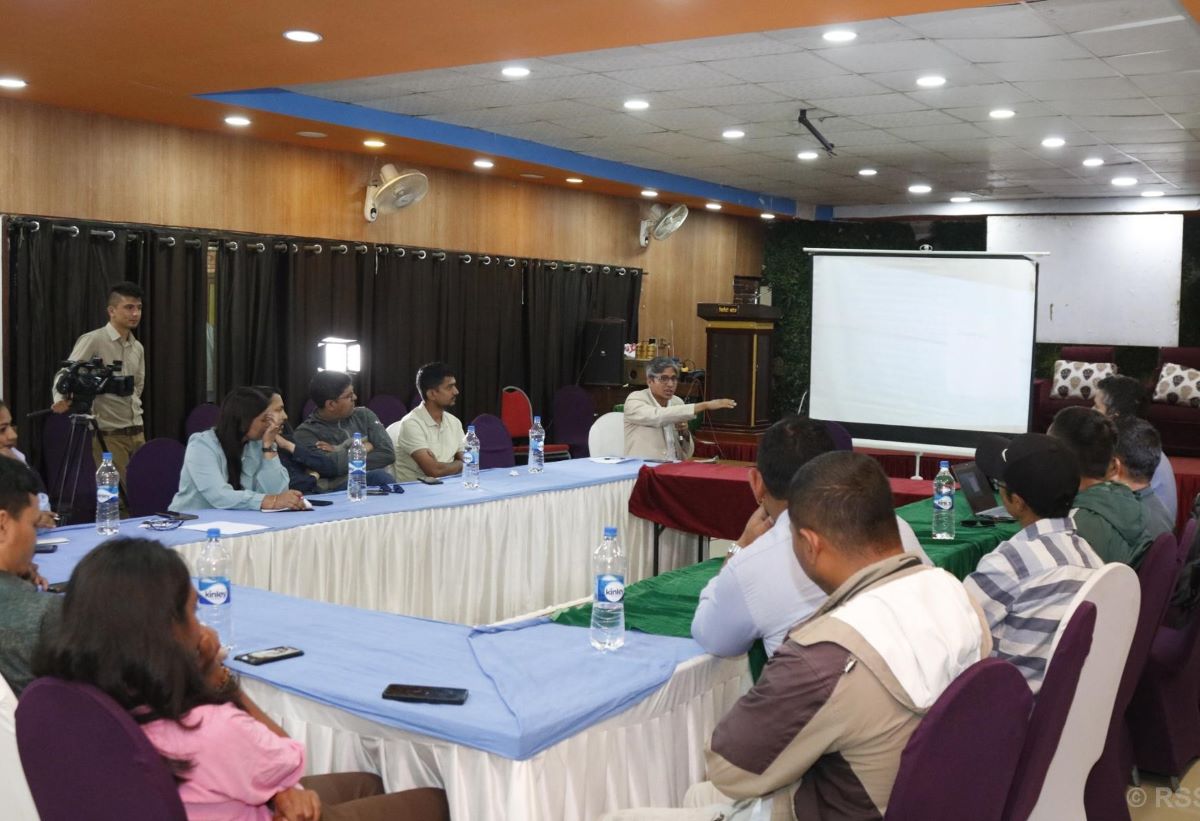
On Saturday, a joint monitoring team led by District Coordination Committee Kailali Chief Tikakumari Chaudhary inspected the ongoing projects. She praised the initiative, stating that timely access to machinery and inputs has reduced both financial and physical burdens on farmers.
The modernization program has expanded in phases, with the wheat superzone established in fiscal year 2016/17, the oilseed zone in 2017/18, the paddy zone in 2021/22, and the fisheries zone in 2024/25. The project continues to provide at least 50 percent subsidies on seeds, organic pesticides, and machinery to registered farmer groups.