Kathmandu
Sunday, June 21, 2026





KATHMANDU: Private sector stakeholders have said that unclear policies, complicated licensing procedures, and a lack of designated disposal sites are restricting the expansion of inclusive and safely managed sanitation services in Nepal.
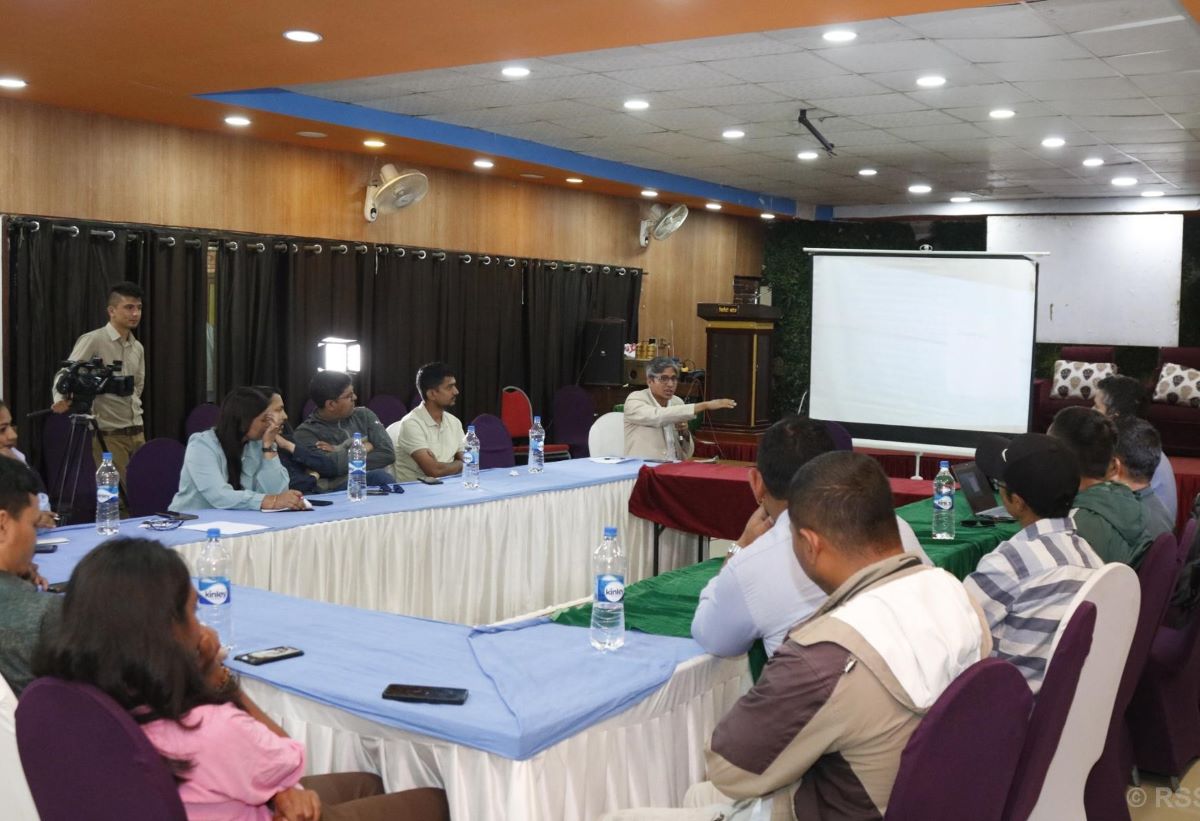
Speaking at an interaction program titled “Inclusive Sanitation and the Role of Media” held in Kathmandu, entrepreneurs involved in fecal sludge management (FSM) and waste management said regulatory confusion across federal, provincial, and local levels is discouraging investment and creating operational difficulties.
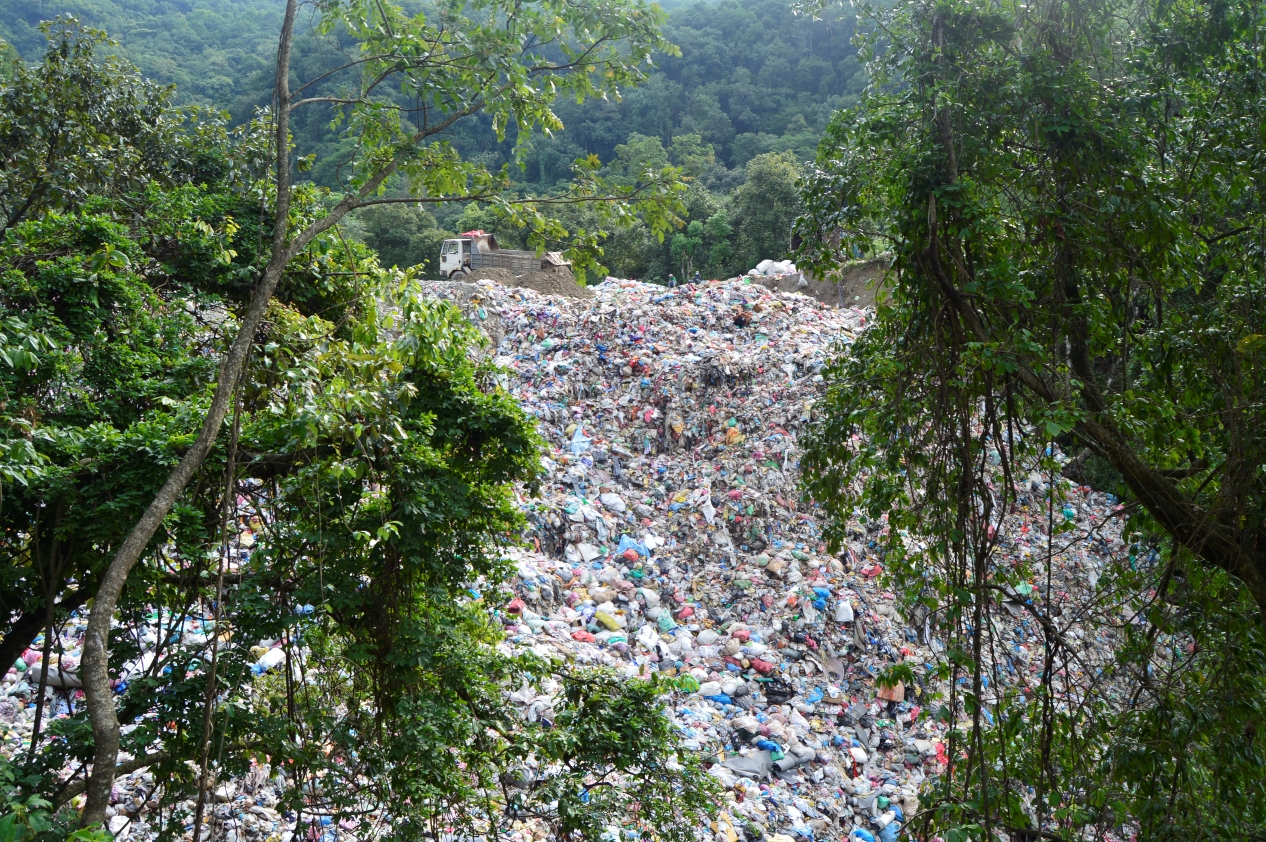
The participants also highlighted the shortage of approved landfill and treatment sites as a major challenge in ensuring safe waste disposal.
During the program, Dr. Rajit Ojha of the Department of Water Supply and Sewerage Management (DWSSM) emphasized the importance of private sector participation in strengthening sanitation systems and improving service delivery.
Stakeholders, including private sector representatives and experts, called for urgent policy reforms and a more investment-friendly environment to promote sustainable sanitation services in the country.