Kathmandu
Monday, July 13, 2026





With over 1.73 million citizens in the region, the government ramps up monitoring and contingency plans as Iran conflict intensifies and air routes face disruption
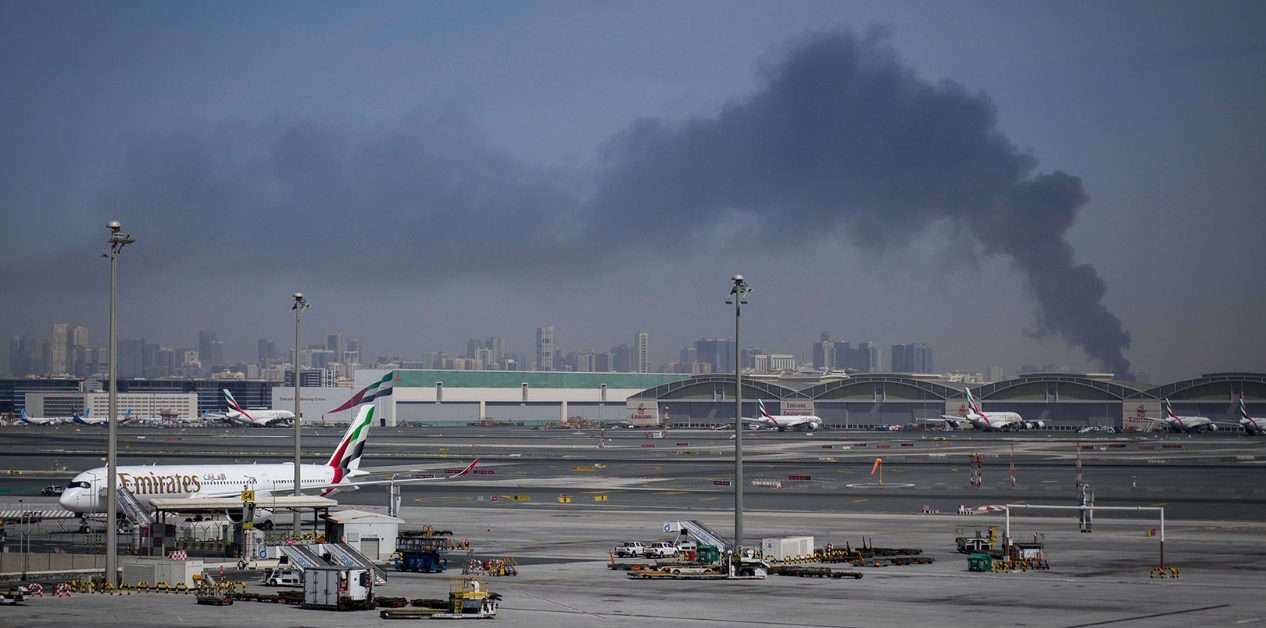
KATHMANDU: Tensions have persisted across West Asia, particularly in the Gulf region, since February 28 due to the war involving the United States, Israel, and Iran. After missile strikes by the United States and Israel on Iran, Tehran has retaliated by targeting neighboring countries that host military bases of the United States and other nations.
These continued attacks and counterattacks have heightened concerns over the safety and employment of Nepalis living in Gulf countries.
According to the Ministry of Foreign Affairs, around 1,730,000 Nepalis are currently in 12 countries across the Gulf region for employment, study, and other purposes. These include the United Arab Emirates (UAE), Qatar, Oman, Bahrain, Saudi Arabia, Kuwait, Iran, Iraq, Lebanon, Israel, Egypt, and Cyprus. The highest number, about 700,000, is in the UAE, while only six Nepalis are in Iran.
At a press conference on March 11, the Ministry stated that there is, for now, no situation requiring the immediate evacuation of Nepali workers from the Gulf on security grounds.

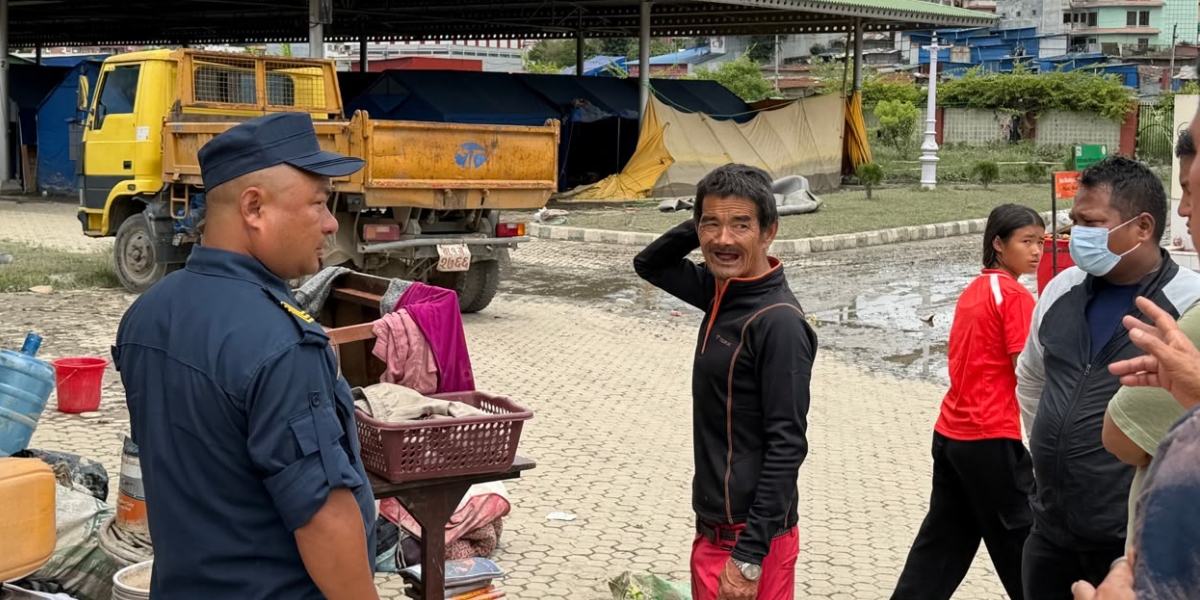
Crowds of travelers wait at TIA after more than 17 daily flights to the Middle East were suspended. Major carriers including Nepal Airlines, Himalaya Airlines, Qatar Airways, and FlyDubai have canceled services to Dubai, Doha, and Kuwait City due to the ongoing conflict
Foreign Secretary Amrit Bahadur Rai said, “According to our analysis so far, a situation where life is at risk necessitating immediate rescue has not yet arisen. No one should be worried.”
Rai also expressed hope that the conflict would subside within a few days and move toward peace. However, the situation has not evolved as expected. Attacks and counterattacks are ongoing, and security risks for Nepali citizens in Gulf countries remain. If conditions worsen further, repatriation may become necessary.
In view of possible escalation, the Government of Nepal has begun collecting personal details of Nepalis who may require rescue or assistance. On March 4, the Department of Consular Services under the Ministry issued a notice and launched an online portal, urging those facing difficulties to submit their information.
So far, more than 76,000 individuals have registered through the portal. Of them, 6,000 have reported being at risk, according to Ministry spokesperson Lok Bahadur Poudel Chhetri.
“In the first three days alone, 4,500 reported being at risk. Now the number has declined. In the past week, only about 500 have indicated risk,” said Chhetri.
According to Chhetri, most of those reporting insecurity are Nepalis in Kuwait and the UAE. Among those who reported risk, the Ministry and the Nepali Embassy in the UAE contacted 200 Nepalis on Sunday alone.
“Many of those contacted said that although they felt unsafe at the start of the war, that is no longer the case now,” Chhetri further added.
Three-tier operational approach
According to Ministry spokesperson Lok Bahadur Poudel Chhetri, assistance to Nepalis in the Gulf is being coordinated at three levels. First, the Department of Consular Services has launched an online portal to establish contact with citizens in need. Second, a 24-hour Emergency Control Room at the Ministry of Foreign Affairs is monitoring the situation. Third, 10 Nepali missions across the region are operating hotlines and communication channels. Authorities are also working with the Non-Resident Nepali Association to reach affected individuals, Chhetri said.
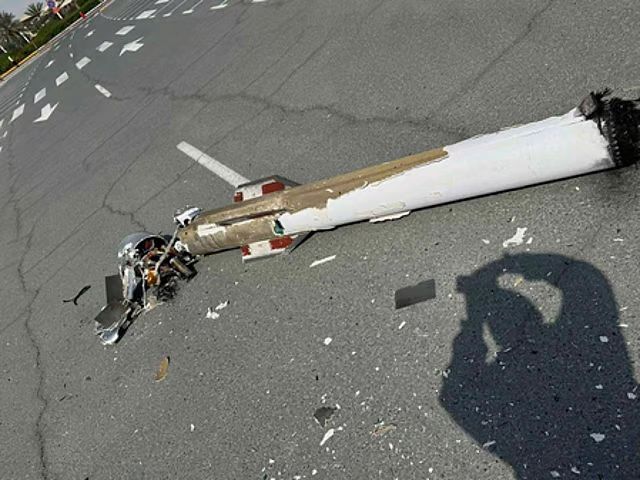
Debris from an intercepted drone at Zayed International Airport in Abu Dhabi, UAE. Diwas Shrestha, a 29-year-old security guard from Gorkha, Nepal, was killed following this Iranian-backed attack on March 1
Amid the ongoing conflict, one Nepali has died in the UAE, and at least 15 others have been injured. In Iraq, two Nepalis were injured in a drone attack on the UAE Consulate General in Erbil.
Efforts are underway to repatriate stranded citizens. 33 Nepalis stuck in Kuwait due to flight disruptions are being routed to Nepal via Saudi Arabia. “Some have already received Saudi Arabian visas, while others are in process. Preparations are in place to transport them by land to Saudi Arabia and fly them home from there,” Chhetri said.
Following heightened security risks, the government suspended labor permits for 12 Gulf countries on March 1. However, on March 17, permits were partially reopened for seven countries, including the UAE, Saudi Arabia, Qatar, Oman, Yemen, Jordan, and Turkey, while restrictions remain in place for Bahrain, Kuwait, Iraq, Israel, and Lebanon.
Rescue via Ships if Necessary
As the Iran war enters its 19th day, its impact continues to expand, prompting Nepal to prepare for possible evacuation of its citizens from the Gulf if the security situation worsens.
On March 11, Ministry spokesperson Amrit Bahadur Rai said all necessary preparations are in place to rescue at-risk Nepalis, including the option of chartering ships if required.
Elaborating on contingency plans, spokesperson Lok Bahadur Poudel Chhetri said the response will depend on how the situation evolves. “If conditions become more adverse and security deteriorates further, rescue by ship will be considered as a last resort. We are preparing for evacuation by air, sea, or other means,” Chhetri said.
Given the large Nepali population in the region, officials say maritime evacuation could be more practical in a worst-case scenario. The conflict has already disrupted air travel, with airports in Kuwait and Bahrain fully closed, while those in the UAE and Qatar are operating only partially.
Ships are being considered strictly as a fallback option. “Depending on the situation, evacuation could take place via the Red Sea or by land to Muscat, Oman, followed by onward transport. That would be the shortest route,” Chhetri said.
Nepal has previously evacuated citizens from countries such as Iraq, Iran, Libya, Israel, Yemen, and Afghanistan during crises, often with support from India. However, officials caution that a large-scale evacuation this time could be more challenging due to the higher number of citizens involved.
Rajendra Bhandari, former president of the Nepal Foreign Employment Entrepreneurs Association, said the Red Sea route would be the safest for maritime evacuation. “If the war escalates and risks increase, it would be safer to move Nepalis to Saudi Arabia from the UAE or other countries and evacuate them via the Red Sea,” Bhandari said.