Kathmandu
Sunday, July 19, 2026





Despite unveiling ambitious reform plans and tax relief measures, Finance Minister Swarnim Wagle’s budget speech left economists questioning how the government intends to deliver on its promises.
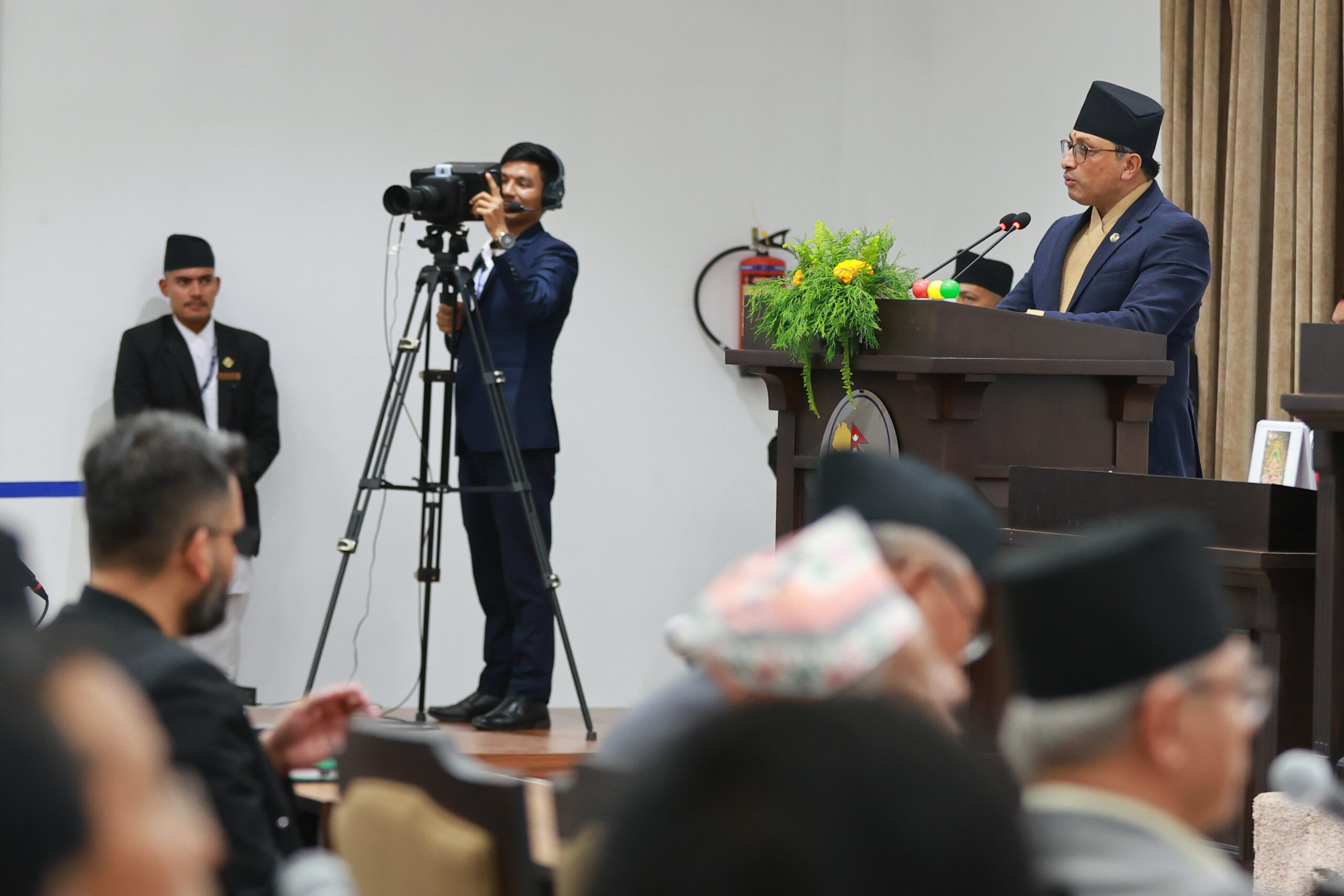
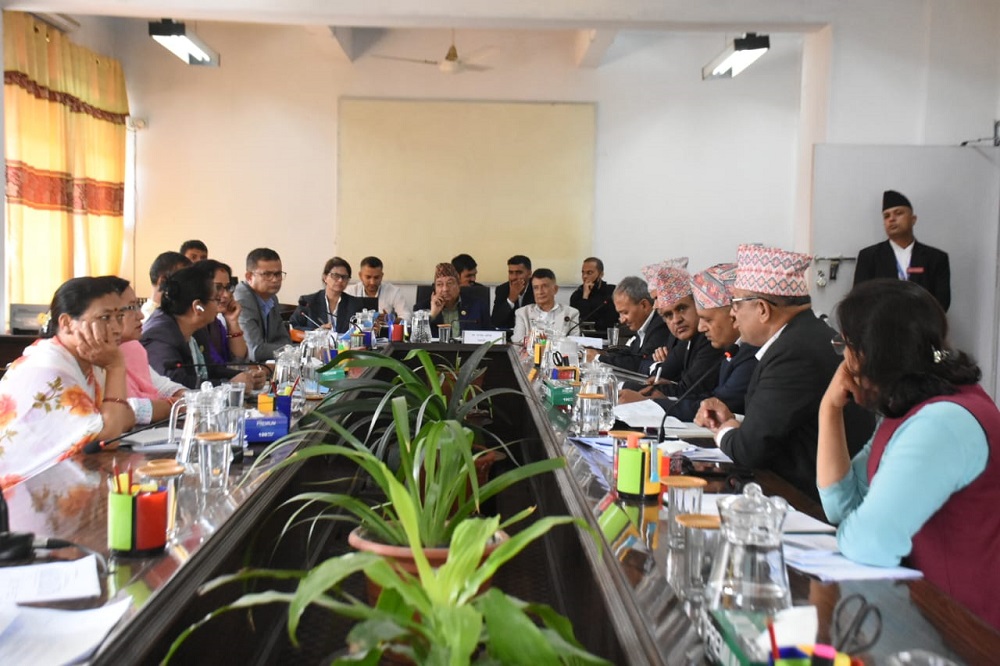
KATHMANDU: Finance Minister Swarnim Wagle, from the political party enjoying a two-thirds majority, announced several reform programs while presenting the budget, but failed to present a clear blueprint regarding its implementation.
In the budget presented by Finance Minister Swarnim Wagle, tax rates have been reduced. Presenting a budget of Rs 2.124 trillion, Finance Minister Wagle stated that the income tax exemption threshold has been doubled to provide relief to the middle class. With this provision, an individual earning Rs 1 million a year will only need to pay a one percent tax.
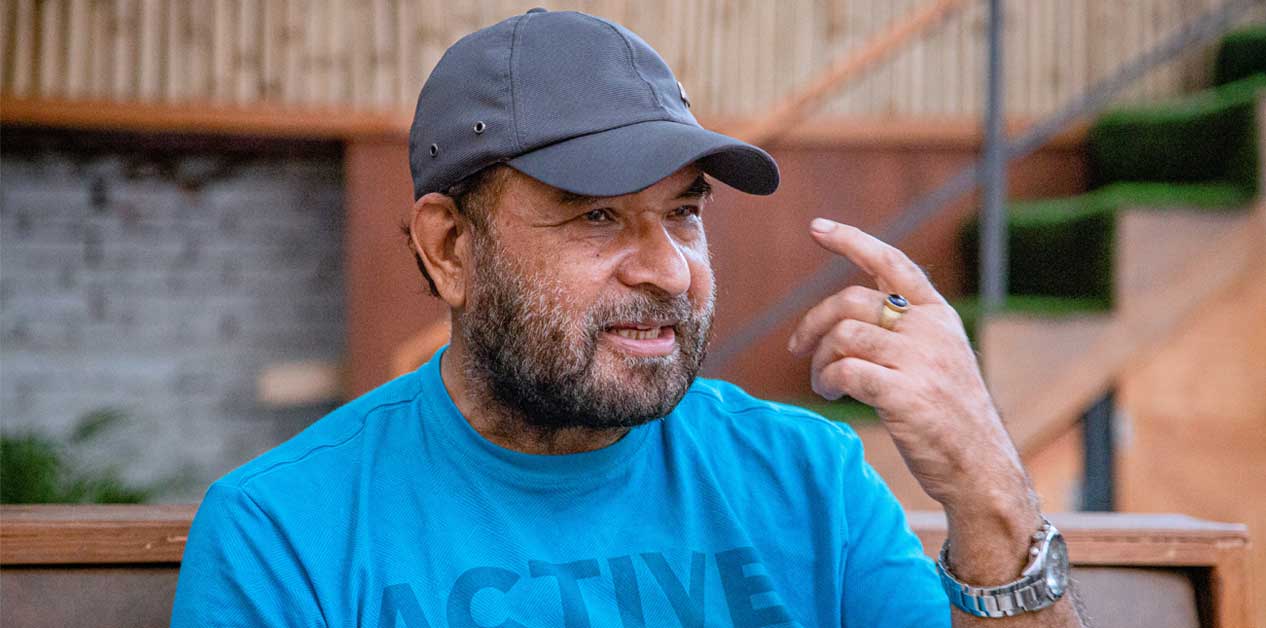
Economist Nishant Khanal stated that the budget attempts to send a message of reform. “The budget primarily seeks to convey a message of reform. Changing the language used in it, instead of saying ‘it will be done’ like in the past, the word ‘we will do it’ has been used frequently. This reflects the government’s firm commitment and confidence to work,” Khanal says. “Although the budget appears to seek novelty and has taken some courageous steps, matters of good governance were less heard, and there is a visible risk that the implementation side could be weak.”
According to Khanal, the Finance Minister has taken a risk by taking some courageous steps in the tax system. “Particularly, aiming to increase revenue collection by taking decisions such as the abolition of excise duty is being viewed as a ‘high risk, high reward’ strategy,” he says. This shows the government’s capacity to take risks. However, he expresses disappointment, noting that the implementation aspect of the budget was barely addressed.
“While the first part of the budget sounds good, as it moves to the second part, there is a lack of a clear roadmap on how to implement it,” Khanal says. “Solid measures on how to resolve the existing problems of the economy are not seen in the budget.” Khanal noted that he liked the commitment to quickly complete old infrastructure along with the announcement of new infrastructure, the provision of subsidies and exemptions on chemical fertilizers for farmers, and the plan to build strategic fuel storage keeping the international situation in mind.
Khanal assesses that aiming to take more domestic debt than external debt will make interest rates expensive, and managing this efficiently will be challenging. “The use of the word ‘good governance’ is not heard as much as it was in the past,” he says. “The government also seems somewhat confused regarding a solid plan to tackle the climate crisis and a clear projection of economic growth.”
The budget also barely addresses how to tackle external challenges. It has failed to address the crises arising from the US-Iran war and El Niño.
Economist Hari Roka states that the real impact of the budget on the agriculture and industrial sectors looks more challenging and disappointing than positive.
“He argued that the government has lost a major opportunity to modernize agriculture and industry, and that the budget failed to substitute imports. The lack of adequate investment in education and the absence of any solid plan to control price hikes and inflation are the main problems,” he says. Roka criticized the budget for remaining silent on structural changes such as land reform and the crisis faced by youths in foreign employment.
“This material shows that the current economic policy has failed in terms of being production-oriented and creating employment,” he says. “The budget could neither incentivize industries that reduce imports nor prepare a solid foundation to create adequate employment within the country itself.”
Presenting this budget, Finance Minister Wagle claimed that it is based on a new political foundation brought about by the awakening of the transformative youth force and the generational shift in age within politics. “It aims to address the citizens’ intense anticipation for change,” he said in Parliament. He claimed that the budget redefines the role of the state not just as a controller and regulator, but as an institution that creates opportunities. “Its main objective is to build a result-oriented governance system by ending policy confusion, delays, and the exploitation of state resources,” he said.
He stated that it would bring an end to instability and establish economic transformation, good governance, and integrity. “Through the announcement of entering Nepal into the era of AI and information technology to make it a digital and tech hub, the government has sought to introduce a modern and technology-friendly political leadership,” he said.