Kathmandu
Sunday, July 19, 2026





While the policy aims to curb financial leakage, freezing agricultural funds has inadvertently hit actual farmers the hardest, leaving them completely vulnerable
KATHMANDU: The Haridwar Agricultural Cooperative, which has Barahakshetra Municipality-1 of Sunsari as its working area, operates a turmeric and spice industry. It has been purchasing turmeric and spice-related materials produced by farmers, processing and packaging them, and selling them in the market.
The cooperative, which has more than 100 members from places including Chawacha, Wagdalbari, Archale, Jugpakhri, and Suryakunda, has also been providing assistance to farmers in land pooling cultivation, cowshed improvement, and irrigation.
The cooperative, which had received a subsidy for a turmeric processing machine, was taking initiatives for a turmeric drying machine to further increase production. However, the government removed the subsidy that it had been giving to groups in the budget for the fiscal year 2026/27. Krishna Bhandari, the manager of the cooperative, states that the farmers have landed in trouble due to the government’s step. He says, “We were moving forward by taking subsidies; what to do now? We have been left stranded, neither here nor there.”
Through the budget of the fiscal year 2026/27, the government has adopted a policy of snatching away the subsidies that such farmer groups had been receiving and assisting big industrialists and businessmen.

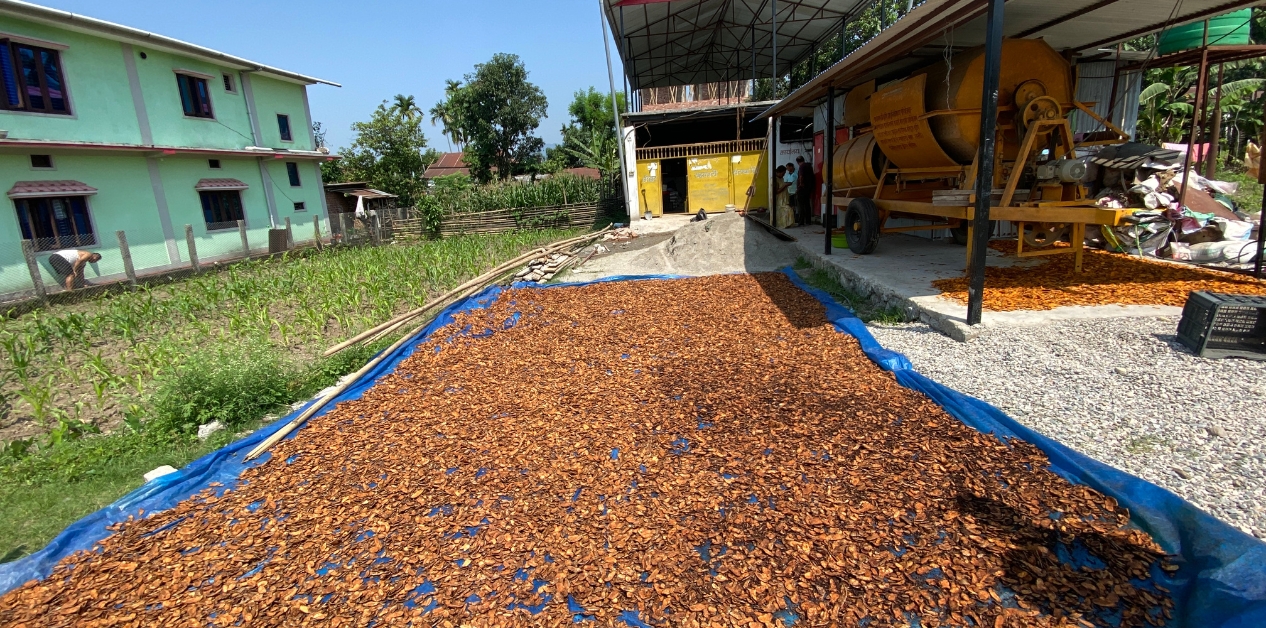
Turmeric purchased from farmers and dried for processing by the Haridwar Agricultural Cooperative
Stating that it is to prevent misuse, the current government has shut down various agricultural subsidy programs operated by previous governments to encourage farmers, agricultural groups, cooperatives, and entrepreneurs in production and to reduce costs. Even though the subsidy that small farmers or groups had been receiving was snatched away, the government has made subsidy arrangements for big traders in the agricultural sector.
Finance Minister Swarnim Wagle announced the budget on May 29, allocating Rs 46.92 billion to the agricultural sector. In point number 24(a) of the budget statement, it has been announced that the government will provide an encouragement subsidy of up to 40 percent to farmers who invest a minimum initial capital of Rs 20 million. There is an arrangement that such a subsidy will be reimbursed at a rate of 10 percent for four years from the date production starts.
The majority of farmers in Nepal are doing agricultural work with small investments. The number of farmers doing cultivation and animal husbandry traditionally is the highest. However, the government’s budget has not included those who have been doing agricultural work as an ancestral profession and with small investments.
Tapendra Rai, a turmeric-producing farmer associated with the Chakrakunda Cooperative in Sunsari itself, says that it is wrong for the government to cut the subsidies that it had been giving to small farmers. He says, “Most farmers in Nepal do not have the capacity to invest Rs 20 million at the very beginning. Only big traders and industrialists can make such an investment. Therefore, only they will benefit from subsidies now.”
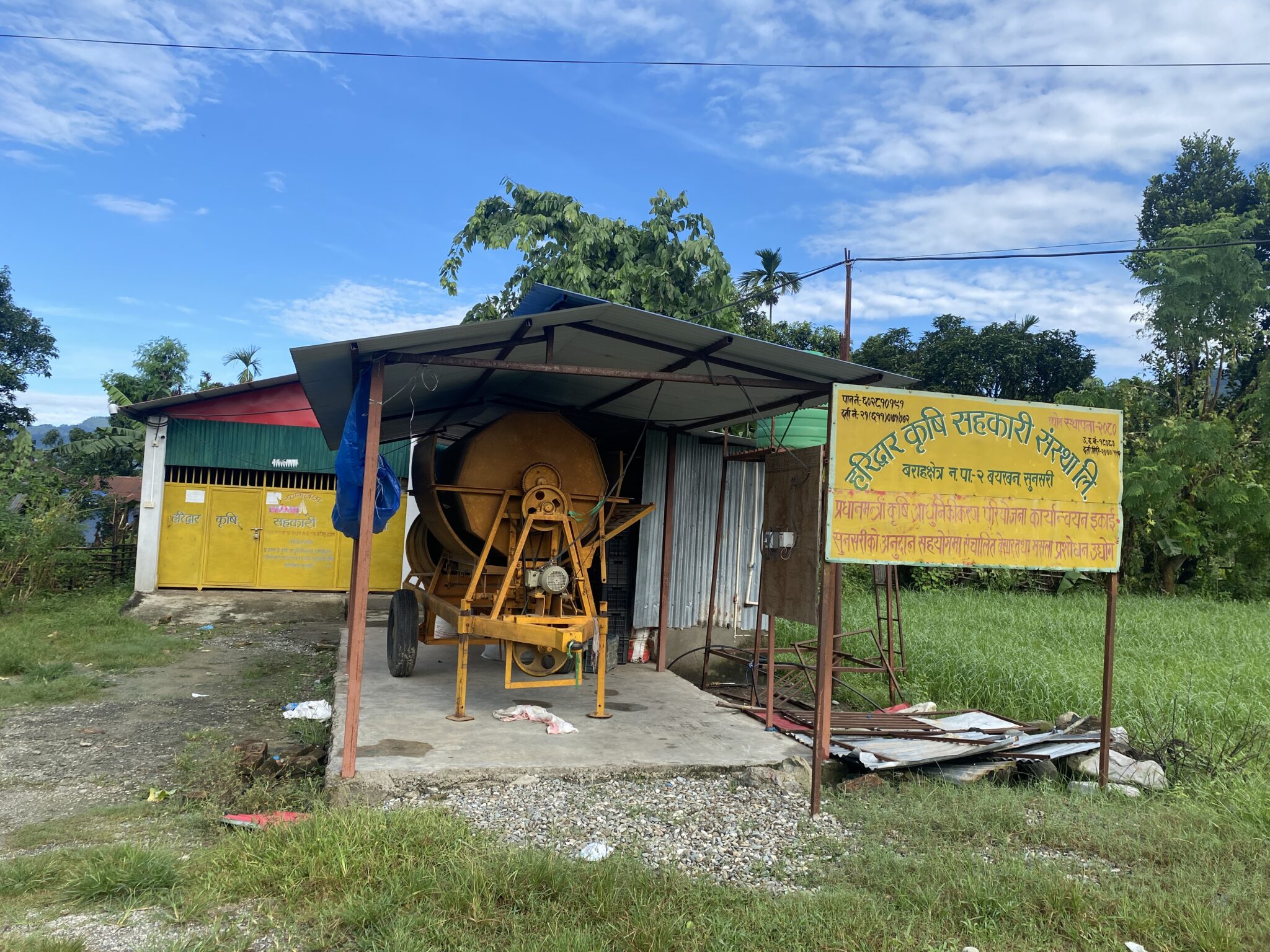
The turmeric and spice industry operated by the cooperative through a government subsidy
He has dissatisfaction toward the government for cutting the farmers’ subsidies, stating that they were misused. Concluding that the government vented its anger on all farmers under the pretext of subsidy misuse, he says, “Everyone has not misused it. There are examples of a lot of work being done in agriculture by utilizing subsidies properly. Cutting everyone’s subsidy is an injustice when the action should have been taken against those who misuse it and encouragement given to those who utilize it properly.”
While Rs 57.48 billion was allocated in the previous fiscal year 2025/26, this time Finance Minister Wagle has prepared an agricultural budget of Rs 46.92 billion by decreasing it by around Rs 10 billion. Even out of that, 70 percent has been allocated for chemical fertilizers alone.
Finance Minister Wagle has announced, “I have set a direction to gradually remove other subsidies while providing a premium subsidy of up to 80 percent in agricultural and livestock insurance.” The government has allocated Rs 2.19 billion for the subsidy given for the premium of agricultural insurance.
Finance Minister Wagle, who announced improvements in the entire ecosystem of agricultural production, processing, distribution, and marketing, has announced that he will prevent the misuse of agricultural subsidies while providing assistance to real farmers in improved seeds, fertilizers, irrigation, electricity, and agricultural insurance. In other words, even though the government will assist real farmers in seeds, fertilizers, and other things, it will not provide subsidies like before.
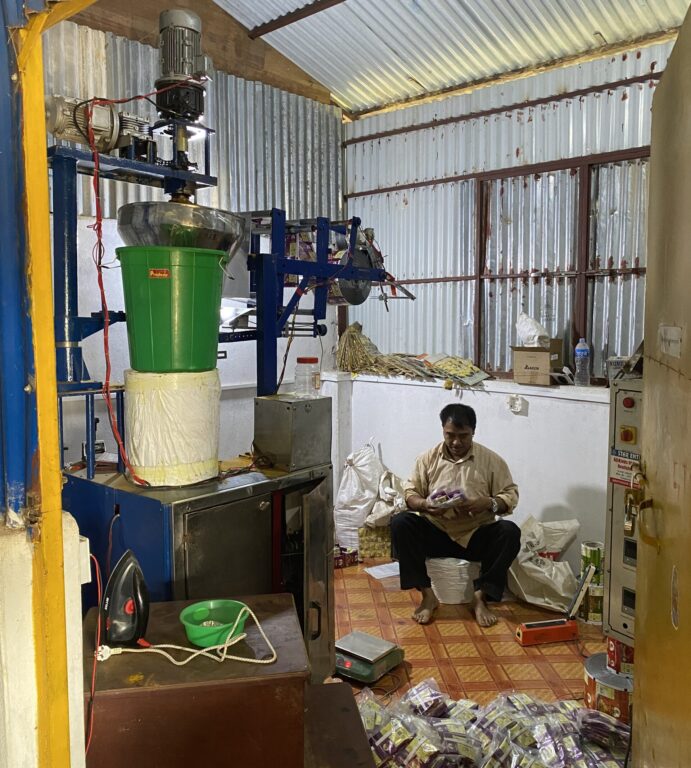
Spices being packaged
In fertilizers, however, the budget has increased by Rs 4 billion compared to the previous fiscal year. While Rs 28.82 billion was allocated for fertilizers in the previous fiscal year, it has been increased to Rs 32.46 billion this year.
Similarly, Rs 240 million has been allocated to control diseases like foot-and-mouth disease, while Rs 2.07 billion has been allocated for the National Agriculture Modernization Program, Rs 360 million as a conditional grant to local levels for organic fertilizer promotion, and Rs 2.19 billion for agricultural insurance premium. In the budget statement, Finance Minister Wagle has announced that an “Agriculture Bill will be presented in parliament soon to ensure proper pricing of agricultural produce, a contract between farmers and buyers, and legal arrangements with subsidies and regulation.”
Sudha Sapkota, the vice president of the Nepal Agricultural Economics Society, says that when the agricultural budget decreases, it shows this sector has fallen under low priority of the government. However, her view is that the government’s policy to commercialize agriculture is good. She says, “There will certainly be an impact when the facilities that farmers have been getting are cut, but in a situation where new possibilities are increasing in agriculture, the government might have taken such a policy to scale up big agricultural industries.”