Kathmandu
Sunday, July 19, 2026





A deadly outbreak of the rare hantavirus aboard a cruise ship bound for Antarctica has renewed fears of another global health threat, though experts say the risk of a pandemic remains low
KATHMANDU: In a world that has only recently brought the COVID pandemic under control, a new dread regarding the hantavirus is currently spreading.
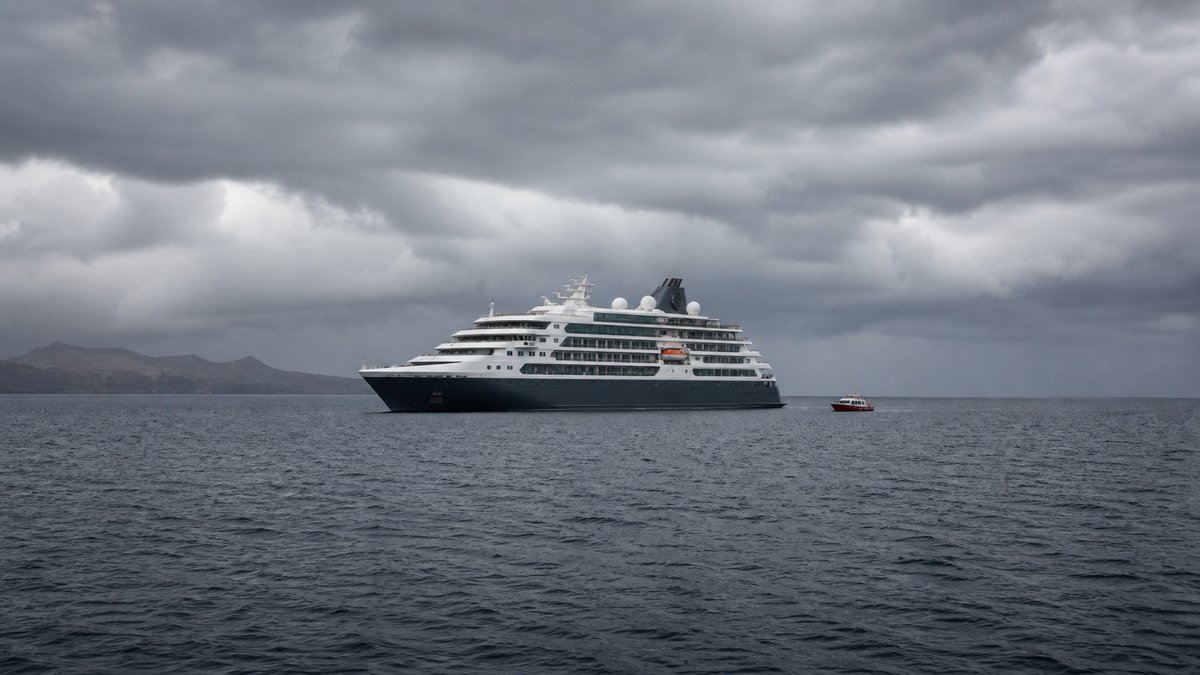
This month, the virus broke out on a massive cruise ship named MV Hondius, becoming a matter of global concern and fear. Three passengers have already died on the Dutch vessel, which had departed from Argentina for a tour of the Antarctic continent. There were 87 passengers and 60 crew members from 24 different countries on board that ship. Those on the ship fell ill due to hantavirus infection. The mortality rate of this virus stands between 30 to 40 percent.
The hantavirus, which is transmitted from infected rodents, is considered rare in nature. According to the World Health Organization (WHO), between 10,000 and 100,000 people are infected globally every year. Most of those infected are typically from Asia and Europe. However, this time, the virus spread from person to person. This was caused by a variant of the hantavirus known as the “Andes virus.” To detect this virus, antibody and genetic testing are utilized. Similar to COVID, the disease is identified through RT-PCR and genome sequencing.
In Nepal, there is no reported information regarding hantavirus infection yet. However, since this virus is found in neighboring countries and the Asian region, the possibility of potential risk cannot be ruled out.
The World Health Organization also stated via a press conference that the likelihood of this taking the form of a pandemic is low.
Symptoms can appear within one to eight weeks of being infected. Initially, flu-like symptoms such as fever, muscle aches, headache, fatigue, and nausea appear.
Later, serious conditions can arise, such as Hantavirus Pulmonary Syndrome (HPS), where lungs fill with fluid making it difficult to breathe, and Hantavirus Hemorrhagic Fever with Renal Syndrome (HFRS), involving kidney failure.
The virus affects the human kidneys and lungs. Experts estimate that the small, enclosed spaces of a cruise ship where many people reside together may have created a favorable environment for the virus to spread. The virus is transmitted through direct contact with the feces, urine, or saliva of infected rodents. Prevention is possible by maintaining cleanliness and taking precautions in areas where rodents are present. Masks and gloves should be worn when cleaning rodent-infested areas. Additionally, experts suggest using disinfectants or bleach during cleaning. They also warn against sweeping in a way that creates dust, to prevent the virus from entering the body through inhalation.
Currently, there are no antiviral drugs or vaccines available for this virus. In hospitals, treatment is provided based on the patient’s condition, such as respiratory support.
Passengers and crew members of the ship where the infection spread are being kept under regular surveillance. According to the WHO, the infected have been told to stay in self-isolation for 45 days and inform medical personnel. Those with respiratory problems have been asked to wear masks. Furthermore, ship passengers are being monitored for 45 days to see if further symptoms appear.
To ensure the infection does not spread from the ship, the vessel itself has been isolated and specially cleaned.
Experts state that the current isolation methods make the chance of the infection spreading low. However, they noted it could become a matter of concern if infection is found in individuals with no connection to the ship, if health workers involved in treating patients become infected, or if the virus mutates to develop the ability to spread easily from person to person.
But in the current situation, the state of transmission from the Andes species to humans is said to be very low. It is reported that transmission is likely only among individuals who have lived together for a long time or have close relationships. According to international media, the three people currently hospitalized with the infection are experiencing breathing difficulties and fever.
Prevention
Controlling rodents is the most important and effective way to avoid hantavirus infection. Food and waste management must be handled. For that, food management, waste management, and rodent prevention must be done.
Human food and pet feed should be stored properly so rodents cannot reach them; waste and leftover food should be kept only in buckets with tight lids and cleaned daily; holes in the house and any potential gaps through which rodents could enter should be sealed properly; and places around the house where rodents could nest should be removed.
Cleaning of stairs, warehouses, and gardens around the house should be done. Old items should not be piled up. Additionally, if rodents are seen inside the house, traps should be used to catch them.