Kathmandu
Friday, July 3, 2026





The enthusiasm has declined as the policies and plans announced for the hydropower sector during the government’s first 100 days have failed to move into implementation.
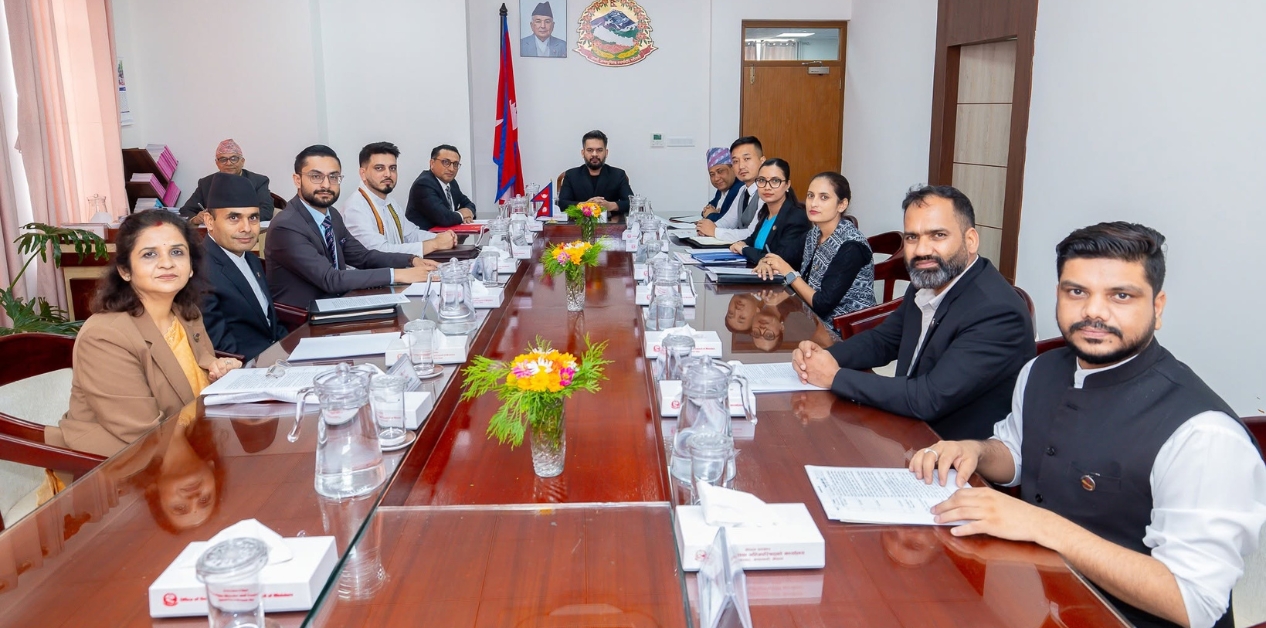
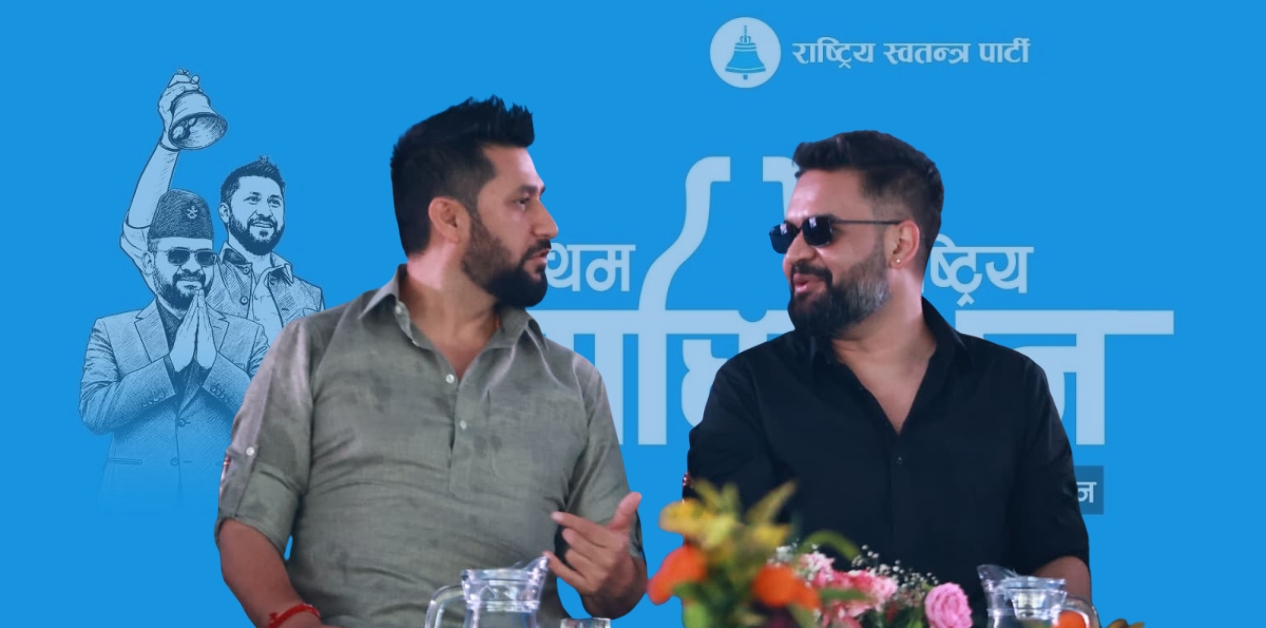
KATHMANDU: Following the formation of a government with nearly a two-thirds majority, hope has naturally emerged across the country and in various sectors. We, as energy entrepreneurs, were also highly excited. We felt encouraged because most of the demands raised by the Independent Power Producers’ Association, Nepal (IPPAN) were included in the election manifesto of the Rastriya Swatantra Party (RSP). Accordingly, some programs were introduced by the government. For instance, in the government’s 100-point agenda for governance reform, it was stated that pending decisions regarding Power Purchase Agreements (PPAs) and licenses would be resolved within a maximum of 180 days. A few other points concerning the energy sector were also incorporated.
Various positive aspects were also introduced in the budget for the upcoming fiscal year. For example, implementing PPAs on a ‘Take or Pay’ basis for hydropower projects up to 10 megawatts (MW), the 100 MW Bethi project in Kathmandu, a 2.5 MW capacity hydrogen plant in Hetauda, and allocating 70 billion rupees for transmission lines can be considered positive steps. Similarly, many encouraging measures were introduced, such as eliminating the need for a supplementary Initial Environmental Examination (IEE) if there is only a minor reduction in forest area or trees compared to what was approved in the original, accepted IEE or Environmental Impact Assessment (EIA) reports. The budget also included provisions to involve the private sector in energy trading and transmission lines.
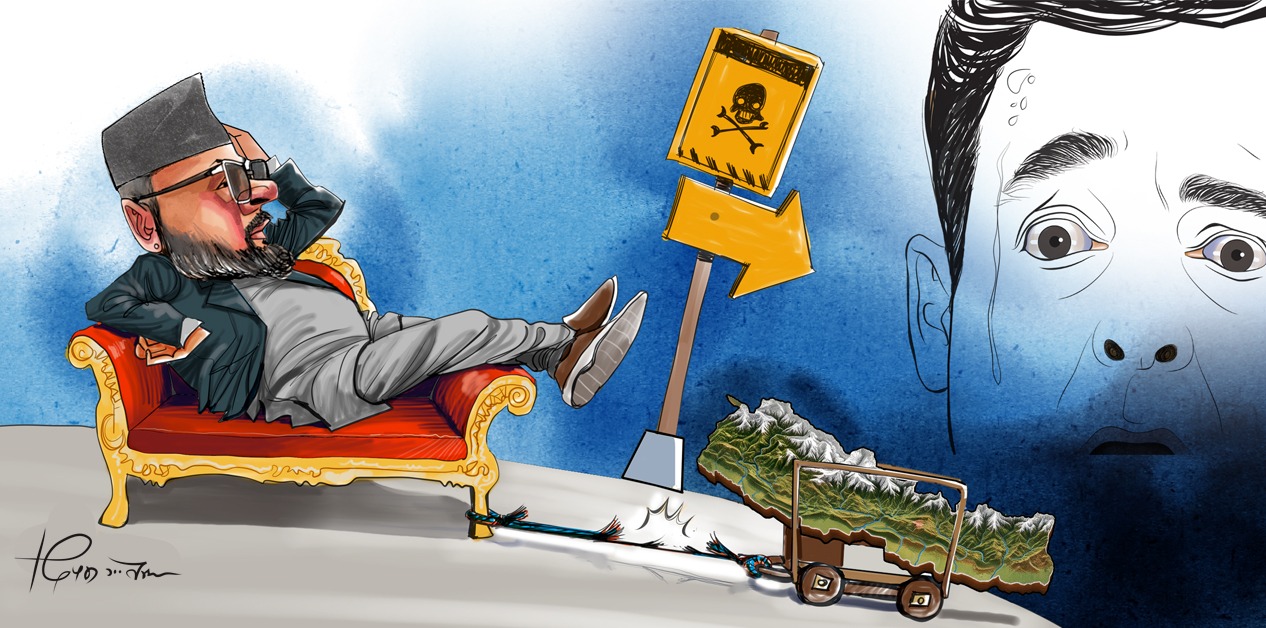
Along with these, good policies and plans have emerged during the government’s 100 days. We remained highly hopeful that a government with a near two-thirds majority would deliver. However, nothing has transitioned into implementation. As a result, the enthusiasm generated by the agenda and the budget has waned significantly. One cannot claim that the government’s plans have been achievement-oriented when they haven’t even been executed yet.
Our expectation was that the plans announced by the government would move into implementation and that work would begin within 100 days. However, the progress did not match that expectation. Nonetheless, the overall signs are acceptable.
While the budget states that PPAs for projects up to 10 MW will be done on a ‘Take or Pay’ basis, confusion remains re0jhgarding what will be done for projects with higher capacities. When the government itself talks about increasing electricity generation to eight to nine thousand megawatts, the private sector—which produces 3,500 MW out of the current 4,300 MW—should be encouraged. However, I believe that when the government itself steps forward intending to monopolize the trade, it will not succeed.
In the year 1998, Nepal’s total installed electricity capacity was just 254 MW. Considering that Nepal’s first hydropower project, the Pharping Hydropower Project, came into operation in 1911, our history of electricity generation had already spanned nine decades by that time. After the PPA rates were finalized in 1998, private sector investment drove electricity production to 3,500 MW over the next 26–27 years. Even today, if we were limited only to the 800 MW produced by the government, we would still be facing hours of daily load-shedding without the private sector’s contribution. It feels as if the government is turning a blind eye to these facts. The current narrative suggesting that the government, and not the private sector, will handle everything from now on is flawed.
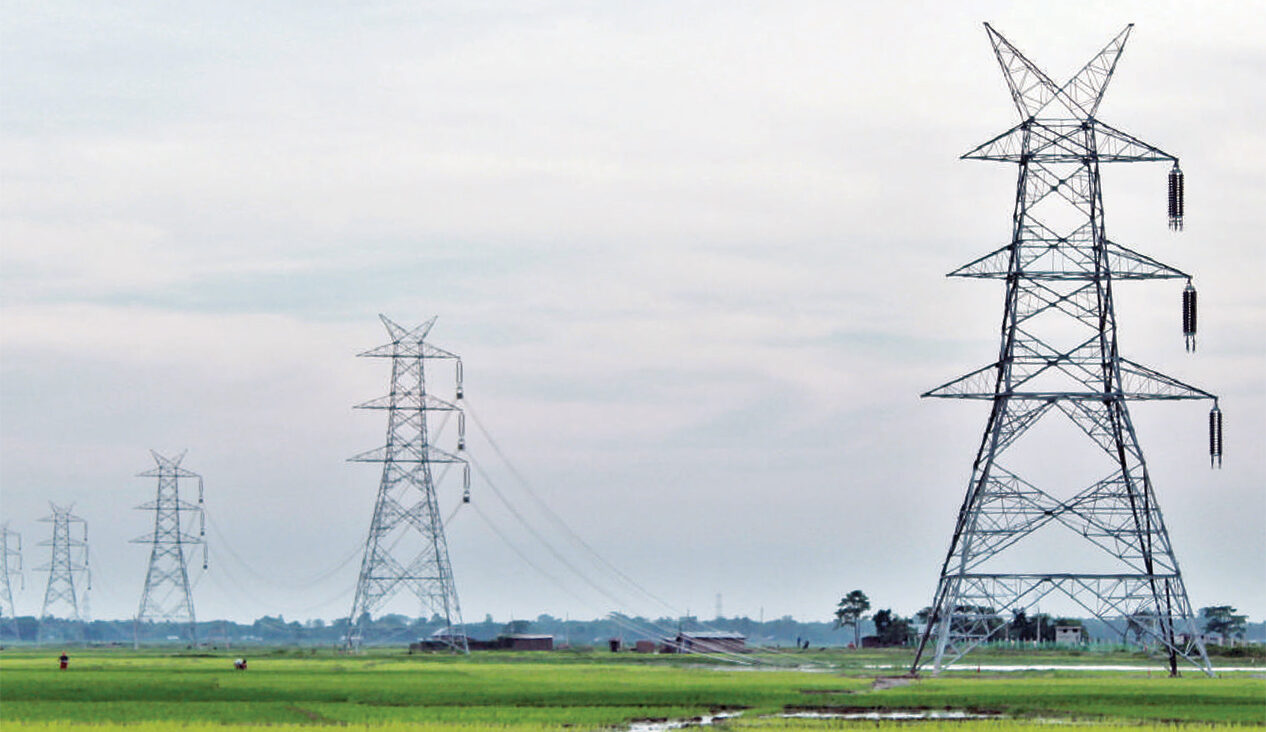
Transmission line. Photo: Nepal Electricity Authority website.
I hope the government will now implement the promising initiatives it announced in its first 100 days. The private sector is engaging in frequent dialogue with the Minister regarding this issue. He has stated that the government will move forward in collaboration with the private sector. I believe the government will proceed accordingly.
The government is well aware that the energy sector can lead the country down the path of prosperity. The public holds the same expectation. It is crucial to understand that the private sector in the energy field is focused on the welfare of the nation, rather than just making a profit. We want to work alongside the government to see how the country can be guided toward economic growth. If the country prospers economically, it benefits everyone.
More than 7 million people have invested in hydropower. With so many citizens invested, the private sector power producers cannot afford to be irresponsible either. We are of the view that we must formulate and implement our own code of conduct to move forward, and we are currently discussing this.
Since the private sector is eager to collaborate, the government needs to show flexibility. If any issues arise from our side or from the government’s end, they should be resolved through mutual cooperation. While the government has signaled a willingness to work together, it has failed to focus on execution. It feels as though the government has been a bit rigid when it comes to implementation. We will discuss the underlying reasons for this delay and bring the matter to a conclusion.
(Dangi is the President of the Independent Power Producers’ Association, Nepal – IPPAN)