Kathmandu
Sunday, July 19, 2026





Over 600 complaints filed with the disciplinary committee alleging non-cooperation and sabotage during the House of Representatives elections.
KATHMANDU: Complaints have been filed against 600 individuals with the Nepali Congress Disciplinary Committee, alleging non-cooperation and internal sabotage during the House of Representatives elections held on March 5, 2026.
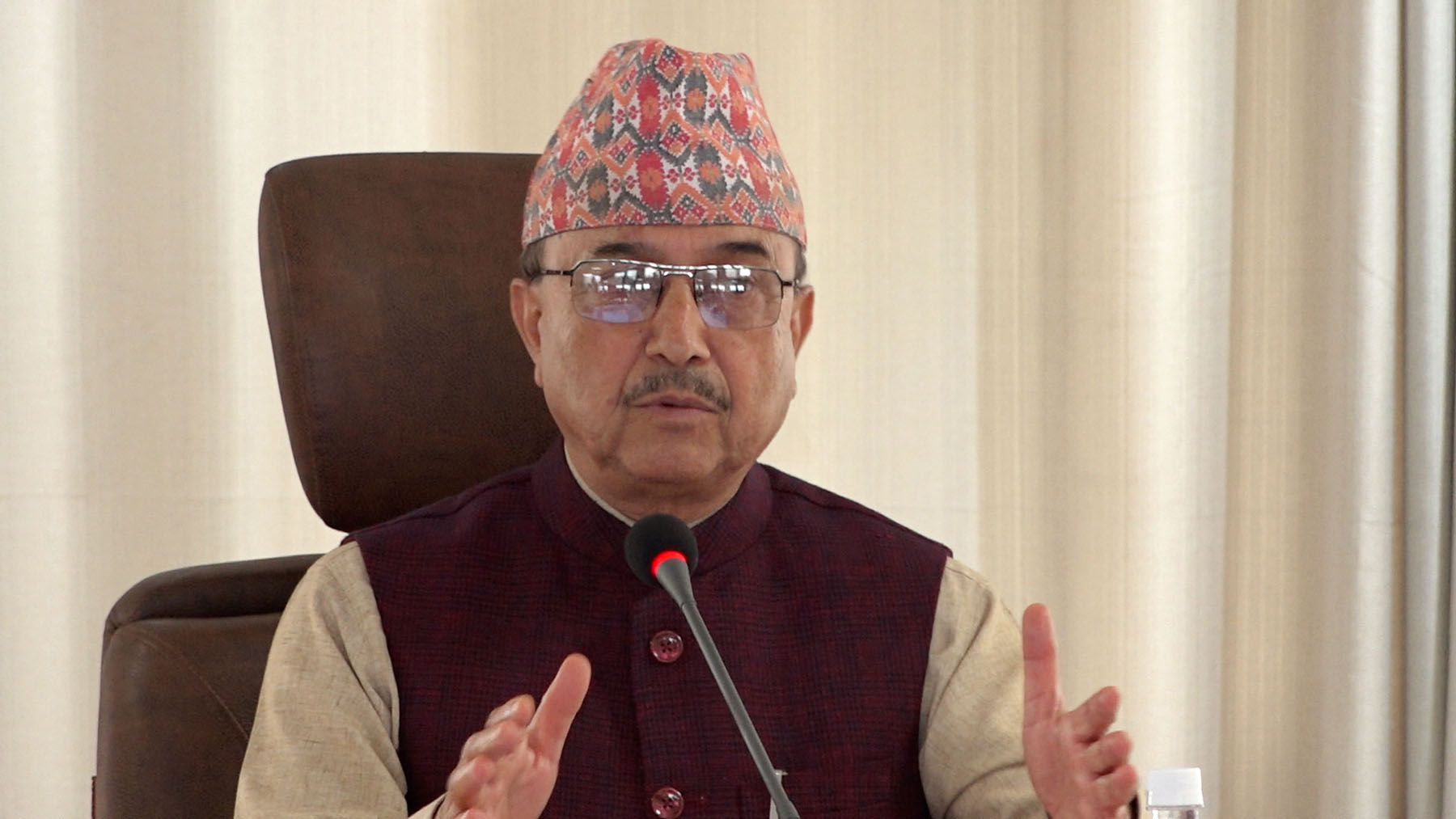
Taraman Gurung, the committee chairman, states that serious investigations are underway regarding the complaints received during the election. “More than 600 complaints have reached the committee now. We are investigating those complaints. We are also seeking justifications from those against whom complaints were filed,” Gurung says. “In some locations, we are also conducting internal investigations.”
He declined to specify how many investigations have been completed so far. According to the Nepali Congress Regulations 2019, cases must be resolved within six months of a complaint being filed. A committee meeting held on March 13 had decided to begin the investigation into the complaints. The Central Working Committee meeting on February 8, 2026, had formed a three-member disciplinary committee under Gurung’s leadership. The committee members include Dhana Khatiwada and Subas Kumar Pokhrel.
According to Gurung, complaints were filed for action against those who filed rebel candidacies, as well as those who acted as their proposers and seconders. He noted that complaints have also been received against those who campaigned against party candidates and supported the opposition during the election.

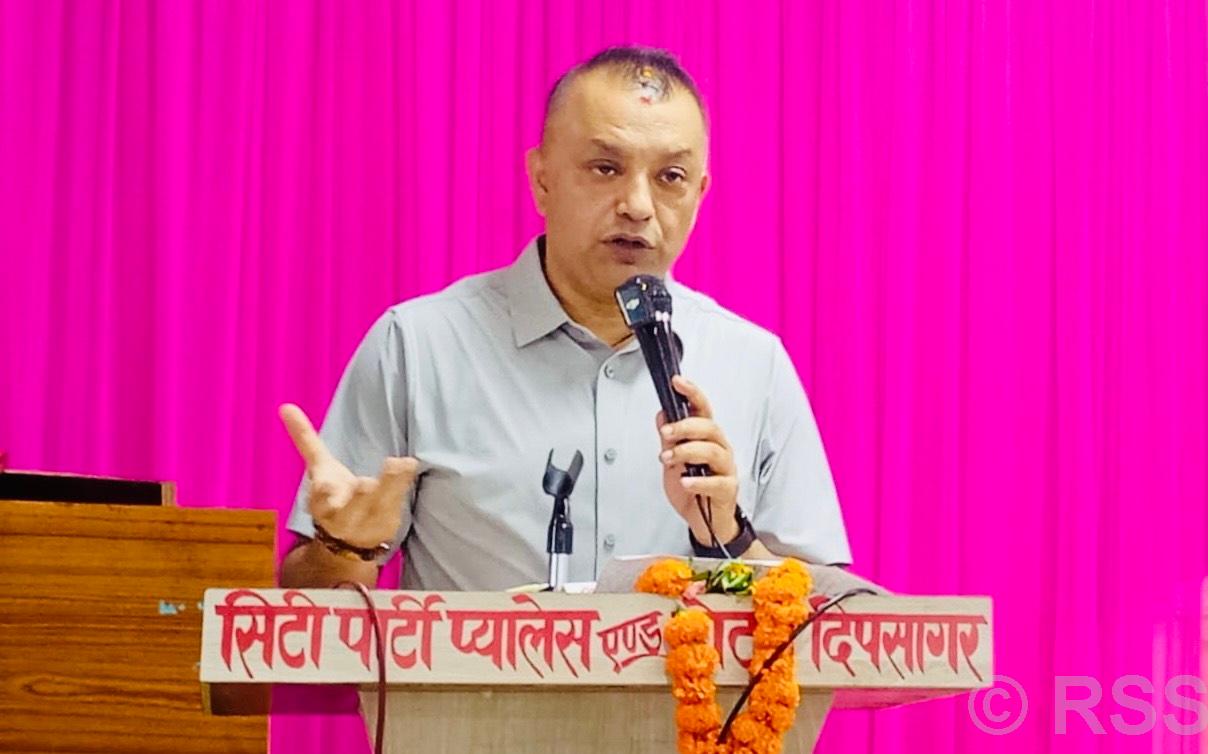
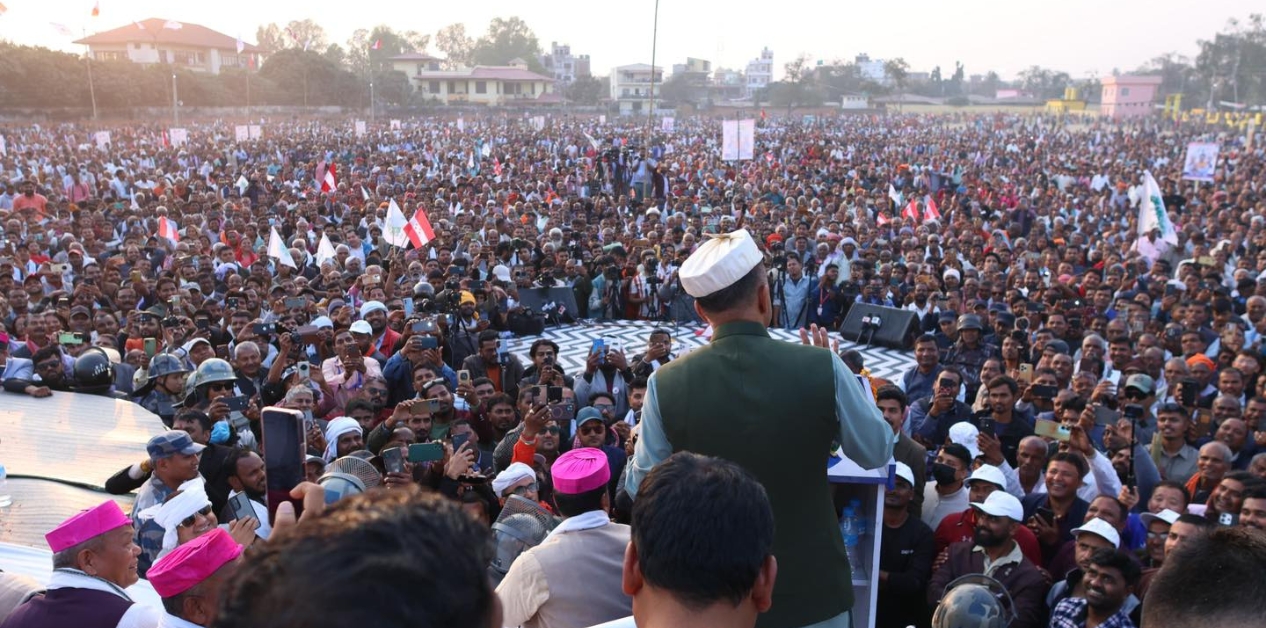
Gagan Thapa at a mass meeting in Tirahutiya Gachhi in Janakpur. Photo: Nepali Congress Secretariat
In the House of Representatives elections held on March 5, 2026, Nepali Congress won only 18 seats under the first-past-the-post (FPTP) system. The party has stated that it lost in 21 constituencies due to internal sabotage.
The party concluded that it faced defeat by margins of three to five thousand votes due to internal friction. Similarly, all office bearers, including President Gagan Kumar Thapa, were defeated in the FPTP category. Not only in the FPTP elections, but the party’s vote share also decreased significantly in the proportional representation category.
The faction of former President Sher Bahadur Deuba has remained dissatisfied since Thapa became President following a special general convention held about two months before the election. Purna Bahadur Khadka, who was the acting president at that time, has been conducting parallel activities. After being dissatisfied with the Election Commission’s decision to recognize the special general convention, Khadka moved to the Supreme Court. Leaders and cadres from the Deuba and Khadka factions have been facing accusations of non-cooperation during the election.
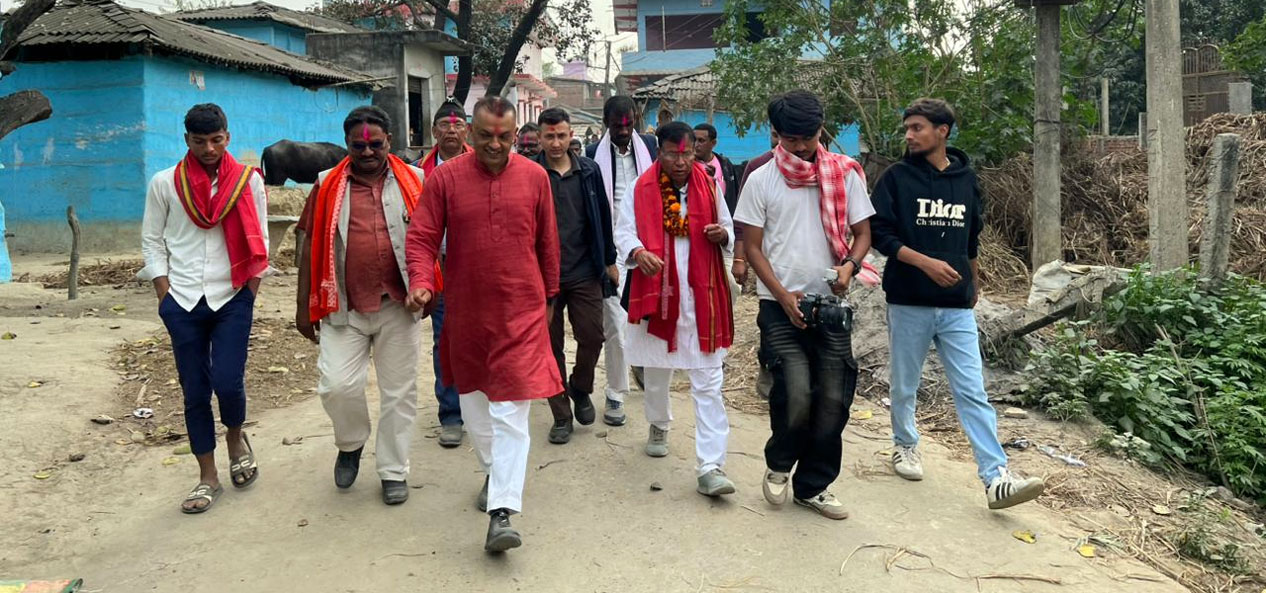
Gagan Kumar Thapa during the election campaign.
The issue of internal sabotage is not new to the Nepali Congress. After the 2022 general elections, 2,100 complaints were filed.
Three years after those elections, actions were taken for sabotage during the House of Representatives and Provincial Assembly polls. At that time, six leaders were expelled from the party for one year.
Similarly, 12 people were suspended. Among them, 11 were suspended for six months and one for three months.
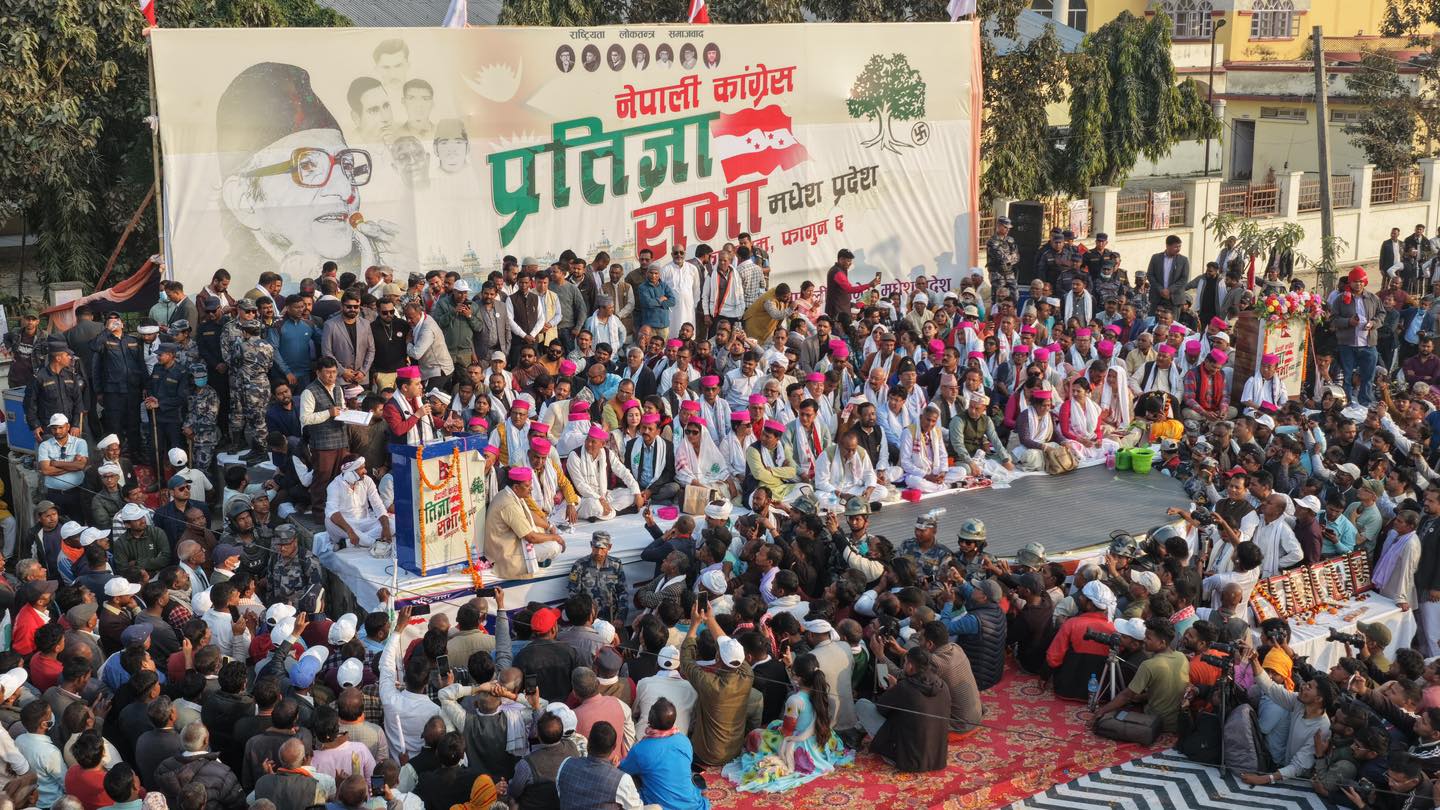
Nepali Congress ‘Pratigya Sabha’ (Pledge Rally). Photo: Nepali Congress Secretariat
At that time, Gagan Kumar Thapa, who was in the rival faction, had protested, claiming that only those belonging to a different internal faction were being targeted for punishment.