Kathmandu
Sunday, July 19, 2026





Opposition parties protest Prime Minister Balendra Shah's refusal to answer questions in Parliament, viewing his departure from parliamentary norms as a challenge to the system.

Opposition parties have expressed their displeasure after Prime Minister Balendra Shah declined to respond to questions raised during the ongoing discussion on the government’s policies and programs in the House of Representatives. In the meetings held on May 13 and 14, all opposition parties questioned the Prime Minister’s absence from Parliament.
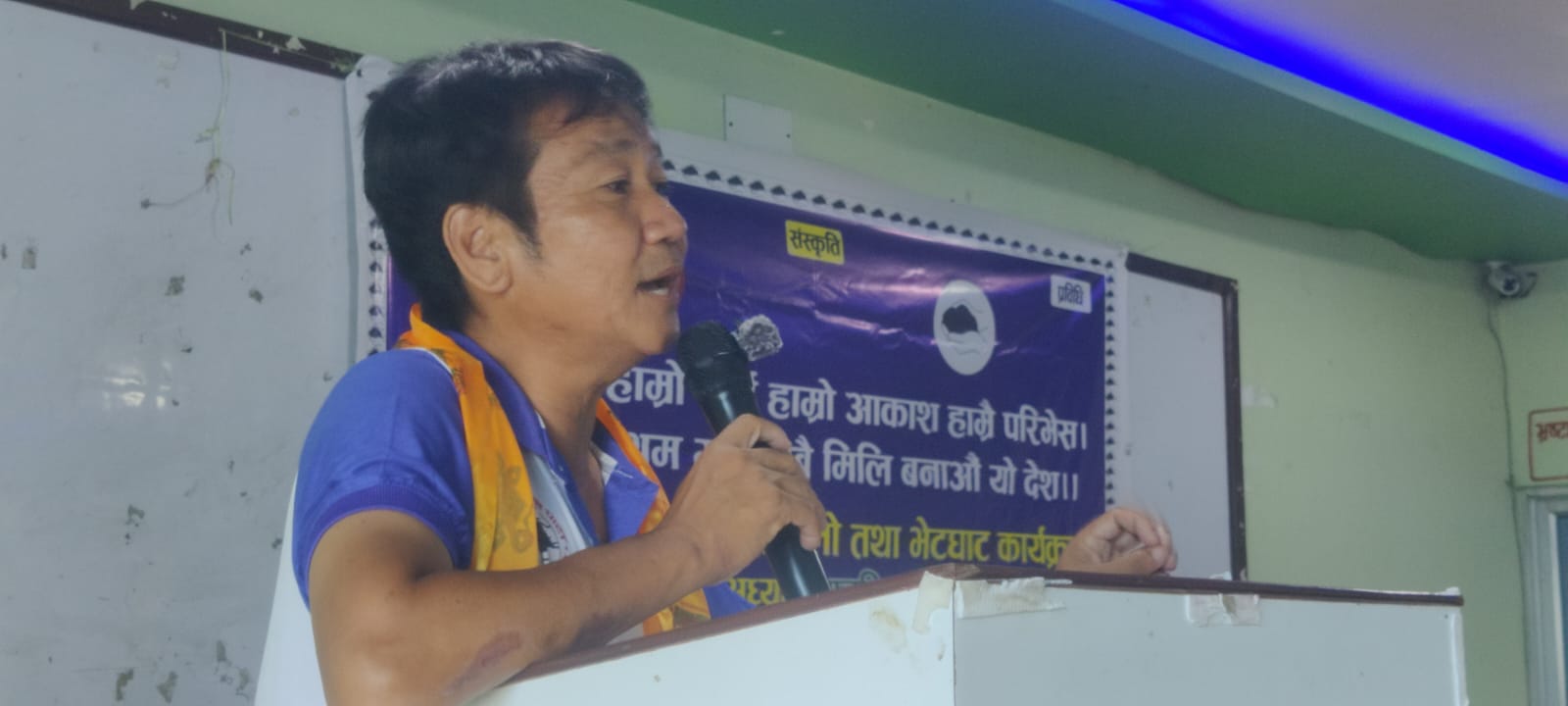
Prime Minister Shah, who has consistently claimed to practice a “different” kind of politics, is attempting to move forward by breaking past parliamentary traditions. This has created a state of confrontation between the government and the opposition. The Shram Sanskriti Party, led by Harka Sampang, has warned of a boycott of House proceedings if the Prime Minister does not provide answers. Other opposition parties have also united in protest, asserting that the Prime Minister cannot evade questions raised in Parliament. According to the House agenda, Finance Minister Swarnim Wagle is scheduled to respond to the queries on behalf of the Prime Minister.
In a country with a multi-party political system, political parties and Parliament are considered the fundamental institutions representing democracy. However, Prime Minister Shah has faced criticism for repeatedly ignoring both Parliament and his own party, the Rastriya Swatantra Party (RSP). “Balen Shah’s role appears like that of a ‘populist’ leader who is not bound by any political or organizational system,” says writer and political analyst Keshab Dahal. “It seems as though no method or system controls him. He is attempting to function outside of established laws and procedures.”
Like Dahal, other critics have expressed doubt regarding Prime Minister Shah’s commitment to the democratic system. Criticism of the working style of Shah, who entered politics from the rap music scene, began during his tenure as the Mayor of Kathmandu. Since becoming Prime Minister, the criticism has intensified as he attempts to move forward while sidelining the parties and Parliament.
The Constitution of Nepal makes the Prime Minister and ministers individually and collectively responsible to Parliament. Parliament is the very source of the legal authority for the Prime Minister and ministers.
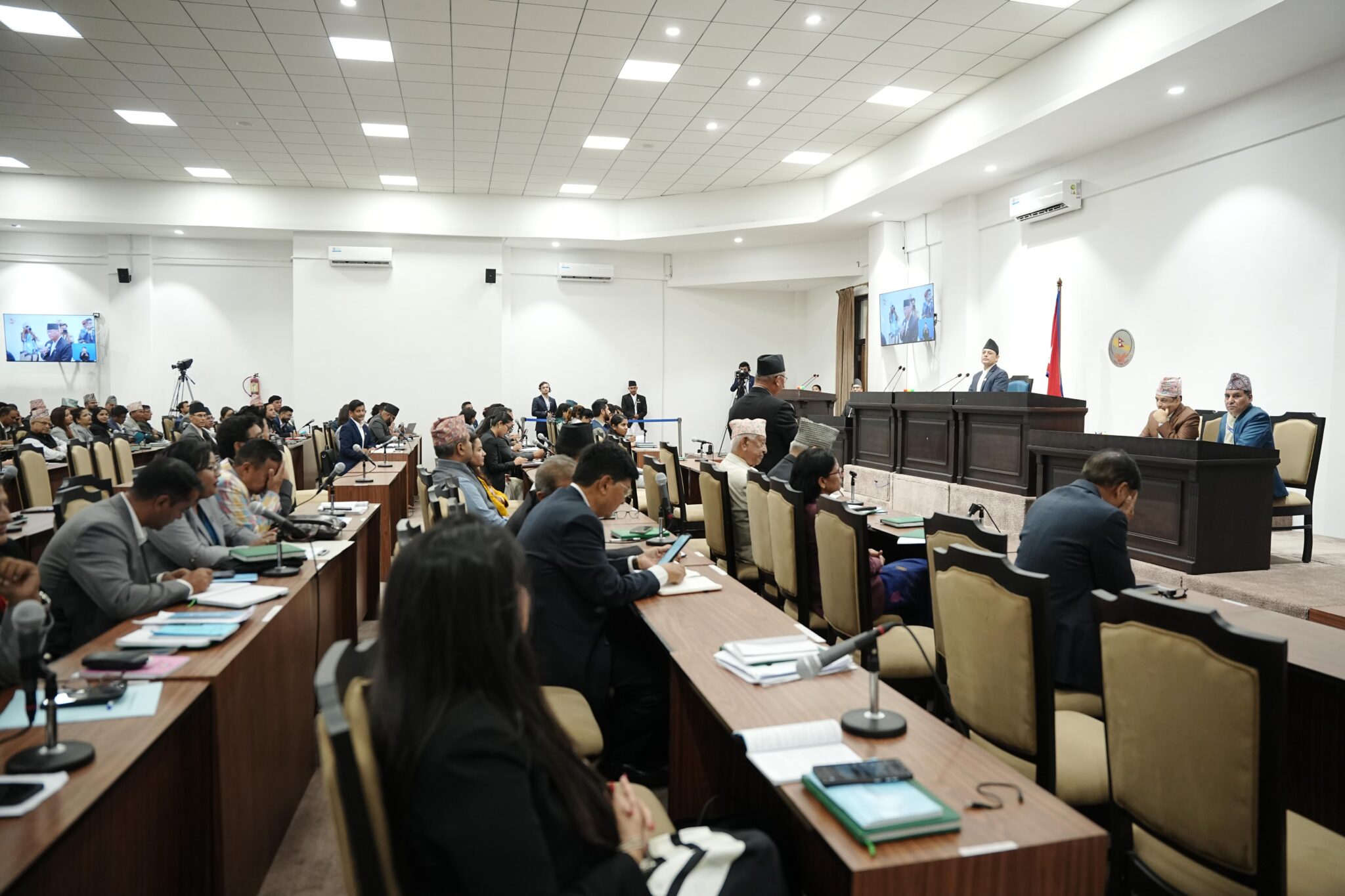
Parliament meeting. Photo: Nepal Photo Library
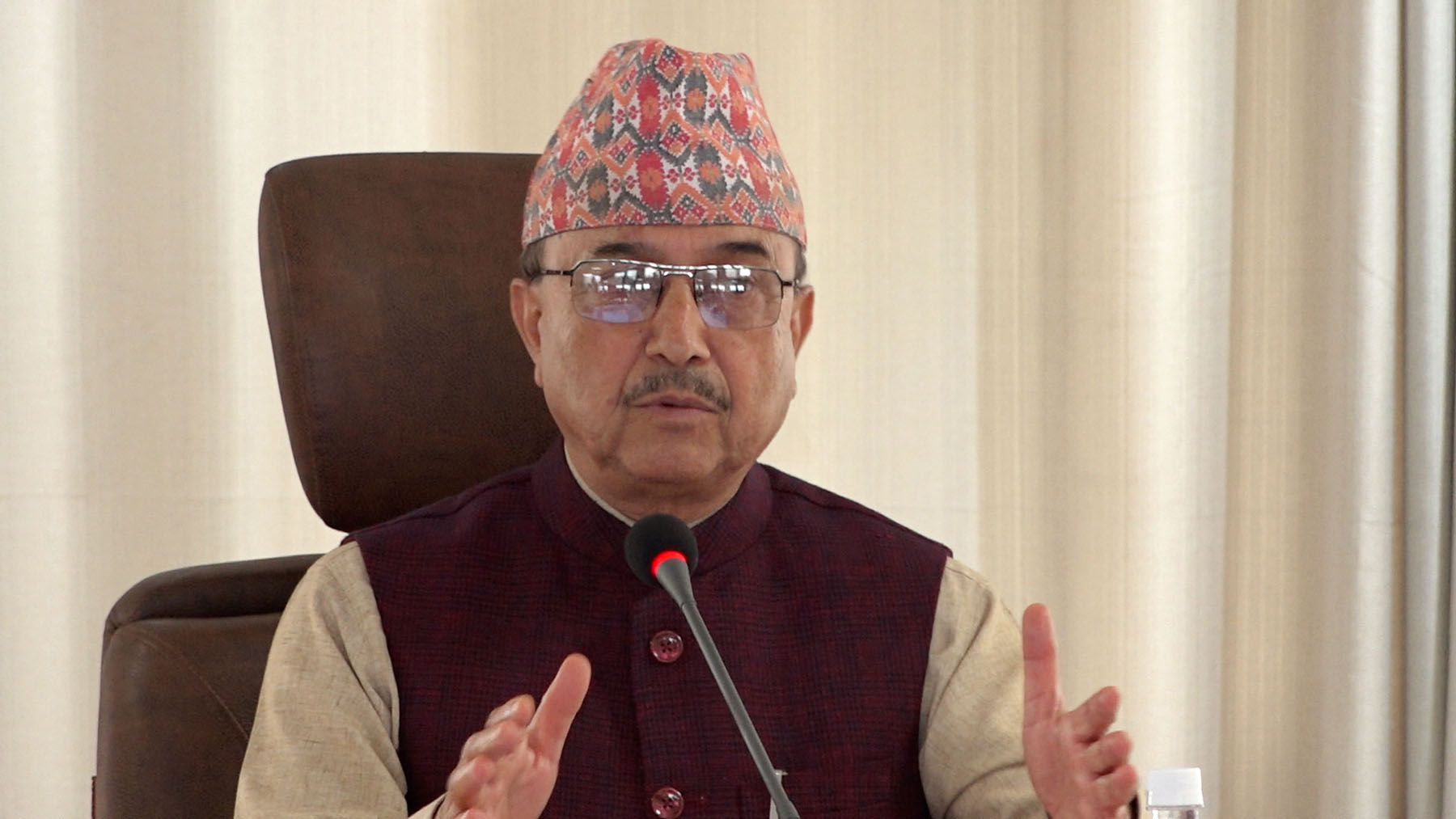
“It is not just about the Prime Minister having to constantly be present and speak in Parliament; other important work can be done during that time,” says political analyst Ram Gurung. “However, following past constitutions, parliamentary acts, and regulations is also a matter of culture and moral obligation, where the principle is to be accountable to Parliament and provide answers.” Gurung adds that rather than viewing an action solely in ‘black and white,’ one must look at what kind of results it yields for the nation and common citizens. He notes, “Since a Prime Minister is formed from a political party, they must also be accountable to the party and the system.”
RSP lawmakers, however, have defended Shah’s role, stating that the Prime Minister can delegate authority to ministers. They claim this is a “break in continuity.” Speaking in the House of Representatives on May 14, lawmaker Bipin Acharya, who is also the Joint General Secretary of the RSP, said, “Some may feel that the answers to questions raised during the discussion on the government’s annual policies and programs must come from the Honorable Prime Minister, and that this is tradition. However, not doing so is a break in that tradition.”
On May 11, while President Ram Chandra Paudel was presenting the government’s policies and programs, Prime Minister Shah left the joint session of Parliament midway. Following this, Shah was accused of insulting both the President and the Parliament. Similarly, Shah has ignored the need for continuous consultation between the Prime Minister and the President. Since taking the oath of office as Prime Minister on March 27, Shah has not visited the President’s office at Sheetal Niwas. Previously, Prime Ministers used to respond to questions raised by lawmakers in Parliament from time to time. Since taking office, Shah has released a list of “100 tasks in 100 days,” but he has yet to address the nation or a session of Parliament.
Despite being a second-ranked leader, Shah has not been involved in RSP’s organizational activities. On March 17, 2026, the RSP organized a two-day training program for its lawmakers at Hotel Tulip in Gwarko, Lalitpur. While Chairman Rabi Lamichhane and other leaders participated, Shah was absent. A similar situation occurred on May 9, when the RSP organized a two-day program at the Administrative Staff College in Jawalakhel; Shah was absent there as well.
Furthermore, Prime Minister Shah has faced criticism for the methods used to forcibly remove landless settlers from the riverbanks of Kathmandu. Dahal says, “In a rule of law, it is mandatory to answer questions asked by the court and Parliament. However, regarding the demolition of landless settlers’ huts, he has not provided an answer as to why it was done. Even when the court questioned it, he ignored the rule of law by failing to provide a proper response.”
The Supreme Court has already issued an order not to remove landless settlers without proper management.
Analyst Dahal reiterates that working outside the control of the party and Parliament will eventually land the Prime Minister in trouble.
He concludes, “Activities carried out outside the system in politics cannot last long.” He further argues that behavior that disregards the system and law puts democracy, established procedures, and overall politics at risk.