Kathmandu
Friday, July 24, 2026





To secure their financial future, athletes are stepping off the field and plunging into business.
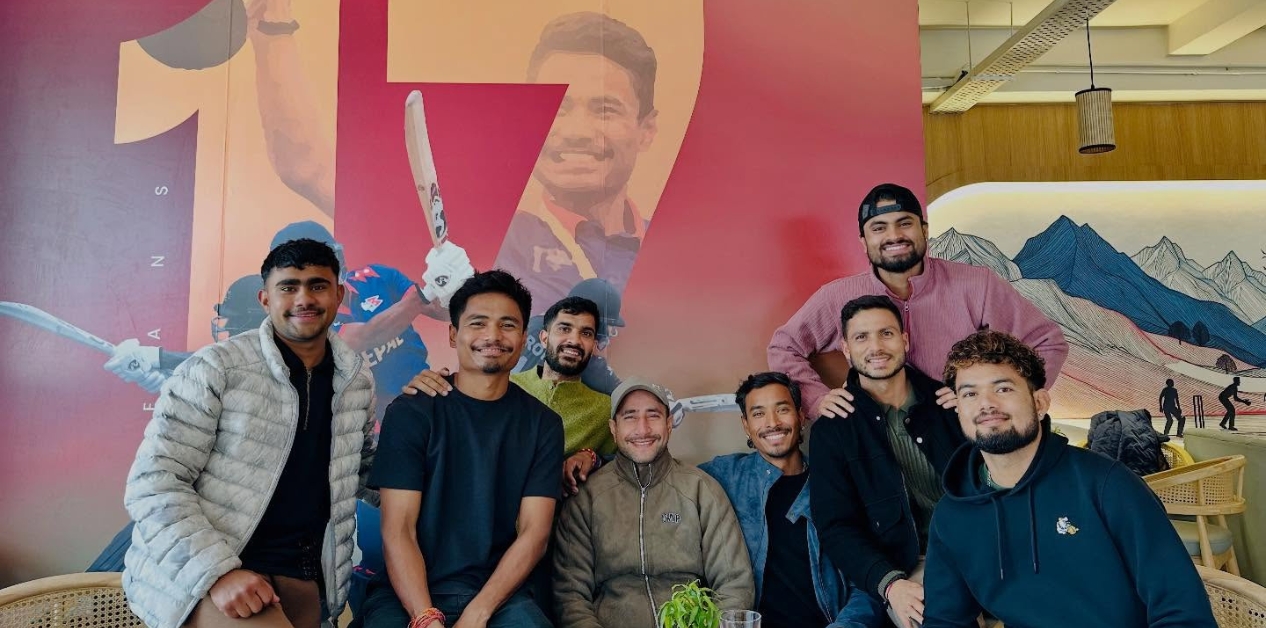
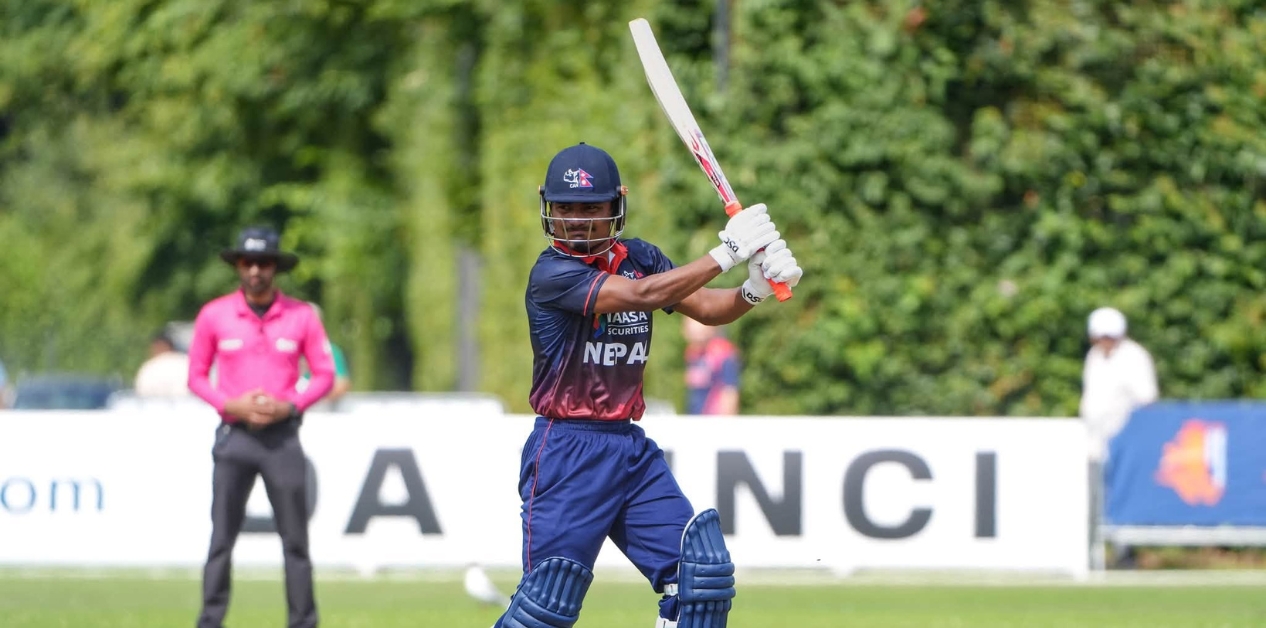
At one point, cricket was not just a game for Abinash Bohara—it was his entire universe. From morning till evening, his time and dreams revolved entirely around cricket. Sweating it out on the field, taking wickets, and wearing the national jersey was his ultimate ambition.
When he made his T20 International debut in 2019 and his One Day International (ODI) debut a year later in 202, many viewed him as the future of Nepali cricket. Expectations were equally high for the fast bowler. However, his sporting career did not turn out as smooth as he had envisioned. Due to an inability to balance opportunity and performance, his journey did not progress as expected.
In the midst of this, he moved to Australia in 2022. Even after migrating abroad, his devotion to cricket never waned. Despite a busy schedule and work commitments, he did not abandon the sport. He returned to Nepal periodically to play domestic tournaments, continuously striving to prove himself.
His patience finally paid off with another opportunity in 2024. He made his comeback to the national team during the T20 World Cup held in the United States, playing in the match against Bangladesh. Coming after a long wait, that moment was highly special. However, he could not leave the desired impact on the pitch. Conceding 10 runs in a single over, his comeback story failed to achieve a happy ending. Following that, he was dropped from the national squad.
He understands the reality that an athlete’s life does not last forever. Consequently, the 29-year-old Abinash does not want to limit himself to cricket alone. While his love and commitment to cricket remain intact, he has decided to advance his entrepreneurial journey in parallel. To this end, he has launched ‘Armor Blade’. “Being an athlete myself, I thought of doing something within the sports sector, so I started this gymwear brand. That is why I ventured into this,” he shares.

Promoting the Armor Blade Brand
In Australia, a health-conscious lifestyle has developed extensively. As a consequence, gym culture and regular running have established a strong presence. In Nepal, too, this culture is gradually growing. However, many Nepalis still lack adequate information regarding appropriate apparel and gear for gym workouts or running. Most people still go to the gym or running relying merely on standard shorts, T-shirts, and a pair of casual shoes.
Keeping this necessity and awareness in mind, Abinash launched his own brand focused on the fitness and activewear sector. According to him, the essence of ‘Armor’ connects to a warrior’s protective shield, and ‘Blade’ embodies the concept of securing (shielding or protecting).
“I discovered there was a brand named Armor & Bald in India. I liked that name very much. However, due to trademark registration constraints, it wasn’t possible to use that exact name. Therefore, I modified the name slightly and built a new brand with its own unique identity,” Abinash explains.
Investment alongside advertising
At one time, an athlete’s identity was defined solely by their sporting performance. Scoring runs, netting goals, or winning medals on the field were considered the primary benchmarks of success. Over time, however, the structure of sports transformed. Athletes are no longer confined to the field. They are establishing themselves as brands, investors, innovators, and entrepreneurs. The era spanning from the 1950s to the 1980s is regarded as an exceptionally crucial turning point in sports history. According to The Business of Sports, this period marked the rapid expansion of television and the dawn of sponsorship culture. This brought a monumental shift in the lifestyles, income sources, and career trajectories of athletes. During this timeframe, sports evolved from being activities restricted to the field into a full-fledged entertainment industry, offering new avenues to athletes.
The expansion of television brought sports directly into households. The reliance on physically visiting stadiums to watch a game came to an end. Millions of viewers began watching a match simultaneously. This catapulted athletes into national and international fame. As their popularity surged, commercial corporate entities began utilizing them as the perfect medium to advertise their brands.
It was during this period that the concept of sponsorship grew robust. Companies began providing financial support to tournaments, teams, and individual athletes. In return, athletes started promoting the brand’s products or services. This not only boosted athletes’ incomes but also opened a new avenue for financial security.
Advertising and brand endorsements also began developing systematically from this period onward. Athletes became celebrated not just for their performances on the field, but also due to their distinct personalities and popularity.
A prime example of this is the world-renowned basketball player Michael Jordan. Following his contract signing with Nike in 1984, production began on specialized footwear under his name. A year later, in 1985 AD, the first Air Jordan shoes were launched in the market.
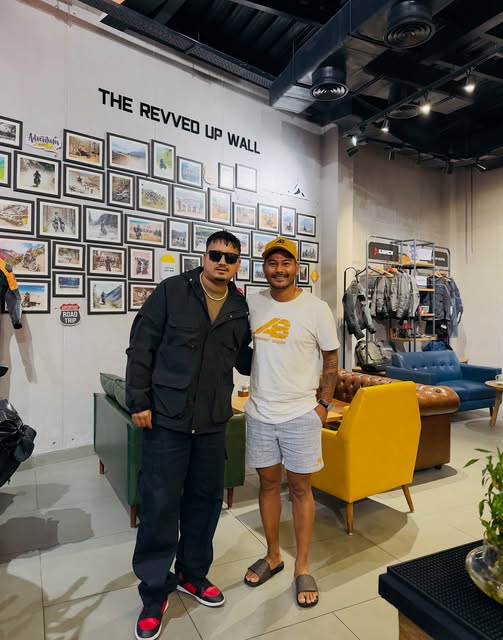
Abinash and rapper Mr. D (left) at the Armor Blade shop. Photo: His Social Media
Driven by Michael’s stellar on-court performance and unmatched popularity, these shoes became famous worldwide. Over time, Jordan shoes established themselves not just as sporting gear, but as an emblem of fashion and lifestyle. Later, Jordan himself invested in basketball and motor-racing teams. Outside the sports domain, his investments span restaurants, technology, and various other business ventures.
Observing this, several athletes began developing the mindset to convert their popularity and earnings into long-term financial security. Consequently, many athletes started transforming their identities into commercial opportunities. Athletes’ investments grew across sportswear, real estate, the fitness industry, restaurants, technology, and various startups.
Michael explains that the clear reason behind athletes being drawn to business is their limited professional lifespan. In an interview, he stated, “I used to look at establishing a brand first as a business. But now, I look at it as a game.” Following in his footsteps, Portuguese captain Cristiano Ronaldo is involved in hotel, fitness, and fashion businesses. Argentine captain Lionel Messi has invested in football clubs, hotels, and real estate, while Indian cricketer Virat Kohli has injected capital into fitness ventures and restaurants, among other businesses.
A flourishing trend
In recent times, the trend of investing by following the example of foreign athletes has grown significantly in Nepal as well. The former captain of the Nepali national cricket team and current secretary of the Cricket Association of Nepal (CAN), Paras Khadka, teamed up with his colleague Gyanendra Malla and former spokesperson Chumbi Lama to establish the Cricket Excellence Center (CEC) in Baluwatar, Kathmandu. Shakti Gauchan, who played cricket alongside them, also set up the Star Cricket Academy in Butwal.
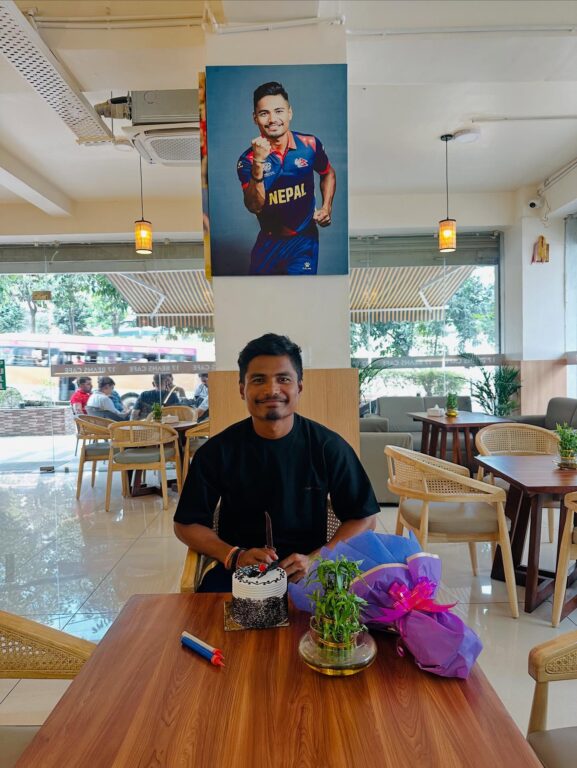
Rohit at Seventeen Beans Cafe. Photo: Rohit’s social media
However, the captain of the Nepali national ODI cricket team, Rohit Kumar Paudel, took a different route. Having grown up playing at the erstwhile Baluwatar Cricket Academy—located on the exact site where the Cricket Excellence Center stands today—Rohit has now become a cafe entrepreneur. It has already been a year since he started operating ‘Seventeen Beans Cafe’ in Buddhanagar, Kathmandu. “The thought of where to invest the money earned from playing cricket was always on my mind. Therefore, I felt like doing something different and long-term. Based on the advice of my family and friends, I initiated this cafe business,” Rohit says.
Rohit himself is neither an extraordinary coffee connoisseur, nor does he possess ample leisure time to spend at the cafe. However, while traveling to various countries with the national team, he observed cafe culture from up close. The relaxing ambiance where one could unwind for a while captivated him. That experience, combined with recommendations from his family and friends, inspired him to invest in a coffee shop.
Thousands of coffee shops operate in Kathmandu, and Rohit’s cafe is not vastly different from others in terms of concept. However, since his personal identity is that of an established national cricketer, the cafe naturally draws attention. Fans who recognize him regularly visit the cafe. In addition to this, celebrated national players like Sandeep Lamichhane, Dipendra Singh Airee, Karan KC, Gulsan Kumar Jha, and Sompal Kami visit regularly, which translates into automatic publicity. For this reason, Rohit does not have to spend excessively on separate branding or marketing for the cafe.
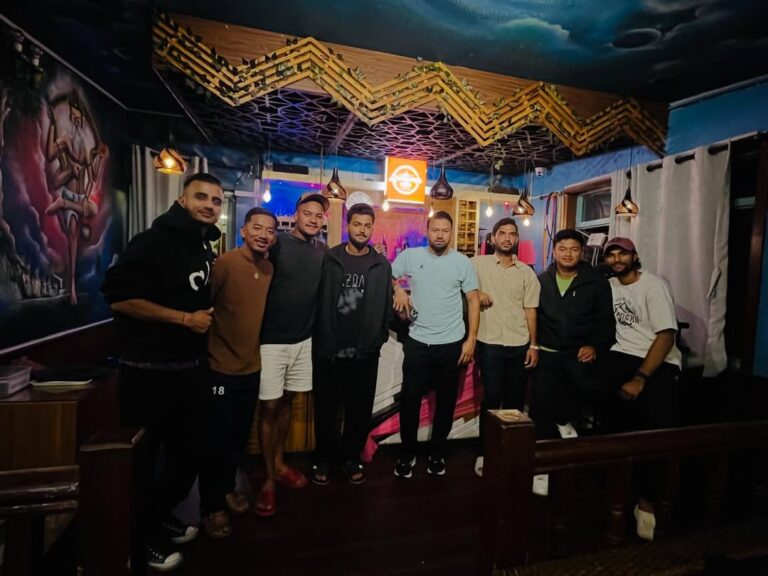
An example of this was evident in a video he released on social media on May 19, 2025 AD to celebrate Sandeep Lamichhane’s birthday. Filmed right inside the cafe, the video amassed over 32,000 likes and was viewed approximately 425,000 times. Such content continually brings the cafe into the spotlight.
“You cannot play cricket for your entire life. An athlete must keep an alternative source of income ready for the future. I felt this was the right time to invest. Seeing Indian players investing in various businesses inspired me as well,” he adds.
Rohit’s family manages the operations of the cafe. He visits periodically and assists with promotion via social media. Since there is no need to hire a separate workforce for business promotion, the cafe has not incurred losses so far. Currently, Rohit plans to expand another franchise of the cafe within Kathmandu.
Motivated by his example, young cricketers have also started entering the business world. Among them is 20-year-old pacer Hemant Dhami, who has launched ‘The Friends & Vibes’ cafe in Shankhamul. “My friends advised me to open a cafe, so I dove into it,” he says.
Footballers as academy operators
Lately, Nepali athletes are not limiting themselves to sports but are actively participating in the commercial sphere. It is not just cricketers; footballers are also increasingly initiating various businesses with their own investments. Notably, the preference of many players seems centered toward establishing academies. The majority of these academies are concentrated in Kathmandu.
The AG Ten Football Academy, operated by players of the Nepali national football team, has been established for over two years now. Launched with the objective of developing young footballing talent and providing guidance toward professional football, the academy has been progressively strengthening its presence in the field of football training.
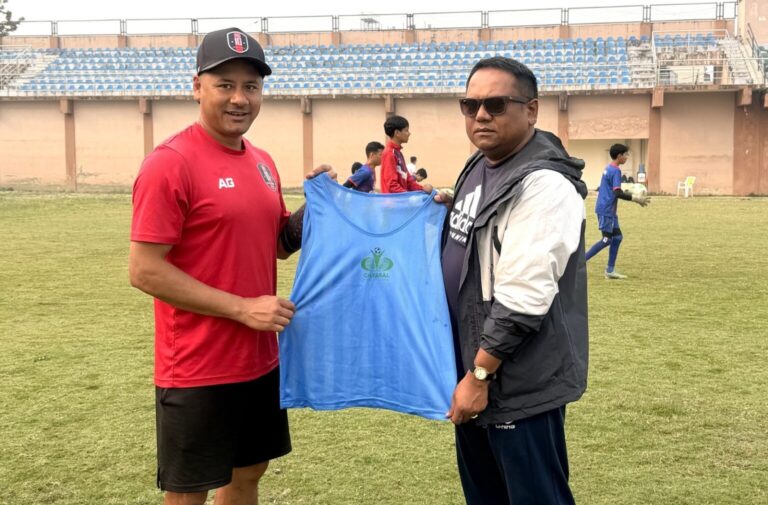
AG Ten owner Anil Gurung (left).
Initially starting with 8 to 10 children, the academy has now become a hub for more than 150 players. According to Gurung, many athletes fall into a state of dilemma regarding what to do after retiring from their sporting careers. To address that uncertainty, he brought forward the concept of the academy, initiating its operations from Lagankhel.
“Nepal’s age-group teams, which were once dominant in South Asia, are weak today. We haven’t even been able to win the SAFF championship. On the other hand, ANFA’s academy is not what it used to be. In such a scenario, these private academies can play a vital role, and I got involved here thinking I could contribute something to football,” he says.
Following his lead, goalkeeper Bishal Shrestha is currently operating an academy while simultaneously continuing his playing career. After being unable to displace Kiran Chemjong—who captained and kept goal for the Nepali national team for nearly a decade—Bishal retired from his international career. He currently plays domestic tournaments for the Machchindra Football Club.
Inspired by the realization that new talent must be given opportunities, many Nepali footballers are now investing directly in sports development. Having closely experienced how spending extended periods on the bench can hinder a young player’s growth, Bishal is now dedicated to producing new talent himself. He operates the North Star Football Academy in Budhanilkantha, Kathmandu.
Alongside Bishal, national team players such as Anjan Bista and Bikesh Kuthu, along with former captain Biraj Maharjan, are running their own football academies. Joining this movement, national team forward Jagjit Shrestha is also preparing to enter the academy business. Currently residing in Australia, he runs the Jagjit Shrestha Football Academy under his own name.
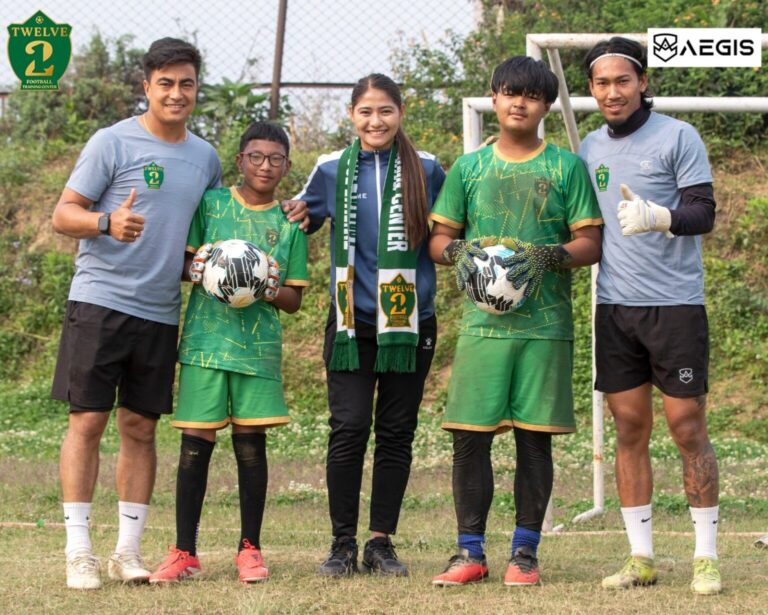
Now, he plans to invest back home in Nepal. For this purpose, he is searching for a high-potential location outside of Kathmandu. “There are sufficient academies in Kathmandu. Therefore, I am planning to start in a new place that offers potential and opportunities,” he stated via social media. He has also been seeking suggestions regarding suitable locations to establish his academy.
Meanwhile, George Prince Karki and Gillespye Jung Karki have been operating the D Elite Football Academy in Dhulikhel, Kavre. This venture represents an effort to extend the reach of football training outside the capital city.
Nonetheless, an academy business is not every athlete’s choice. Manish Dangi serves as an example of a player opting for a different commercial avenue. A reliable midfielder for the national squad, Manish has invested in various sectors outside of sports training. He operates a multi-purpose sports and fitness center in Lalitpur that integrates a cafe, a gym hall, and a futsal arena. He has named this venture ‘GxG (Grind X Grain)’.
“Being an athlete, I understand the value of health intimately. I started this business with the objective of inspiring others to adopt a healthy lifestyle alongside taking care of myself,” Manish states.
Essential external experience
Former selector for the Nepali national cricket team, Dipendra Chaudhary, acknowledges the reality that an athlete’s playing career is not very long in a country like Nepal. Nepal lacks a fully professional structure for sports. Furthermore, because long-term financial security guarantees remain weak, players quickly find themselves facing career uncertainty.
Injuries, in particular, frequently serve as a major turning point in many players’ careers. “Once they suffer an injury, many players lose their rhythm and cannot return to their previous level. Following that, a massive question mark arises as to where to take their career next,” he points out. In such situations, players are compelled to confront both financial and mental challenges simultaneously, he notes.
Because of this, many players find themselves constantly anxious about what to do next and how to earn a living. A lack of adequate preparation for life outside sports often lands them in difficult circumstances once their playing days are over.
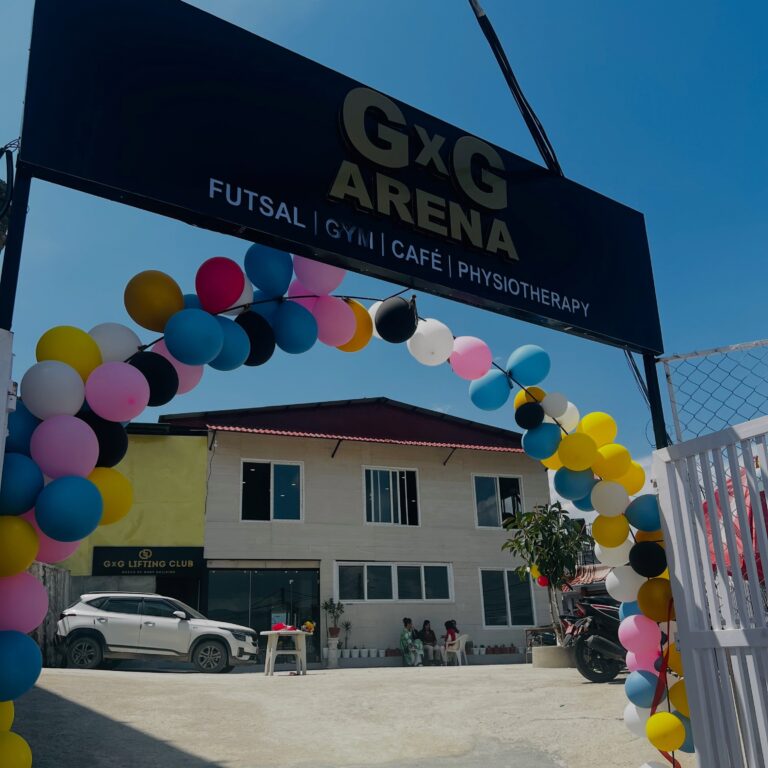
Manish’s GxG center.
However, he concedes that the situation has altered slightly in recent years. Today’s athletes are becoming more aware and resourceful compared to their predecessors. “Present-day players can think independently about what to do or what not to do. Consequently, they actively seek enough alternative options,” he remarks.
Athletes today have started paying attention to their education, businesses, or developing other skills alongside sports. This helps secure them for the future. He states that such preparation outside of sports not only boosts an athlete’s self-confidence but also leaves a positive impact on their performance inside the stadium.
He argues that engagement in a business or another profession enhances an athlete’s capacity to manage pressure. External experiences strengthen them mentally, which fosters superior decision-making capabilities during competitive sports. “If active players are encouraged to build alternative careers alongside sports, it will provide massive support to them in the long run. This will secure the future of the athletes and help make the Nepali sporting ecosystem more professional and sustainable,” he concludes.