Kathmandu
Sunday, July 19, 2026





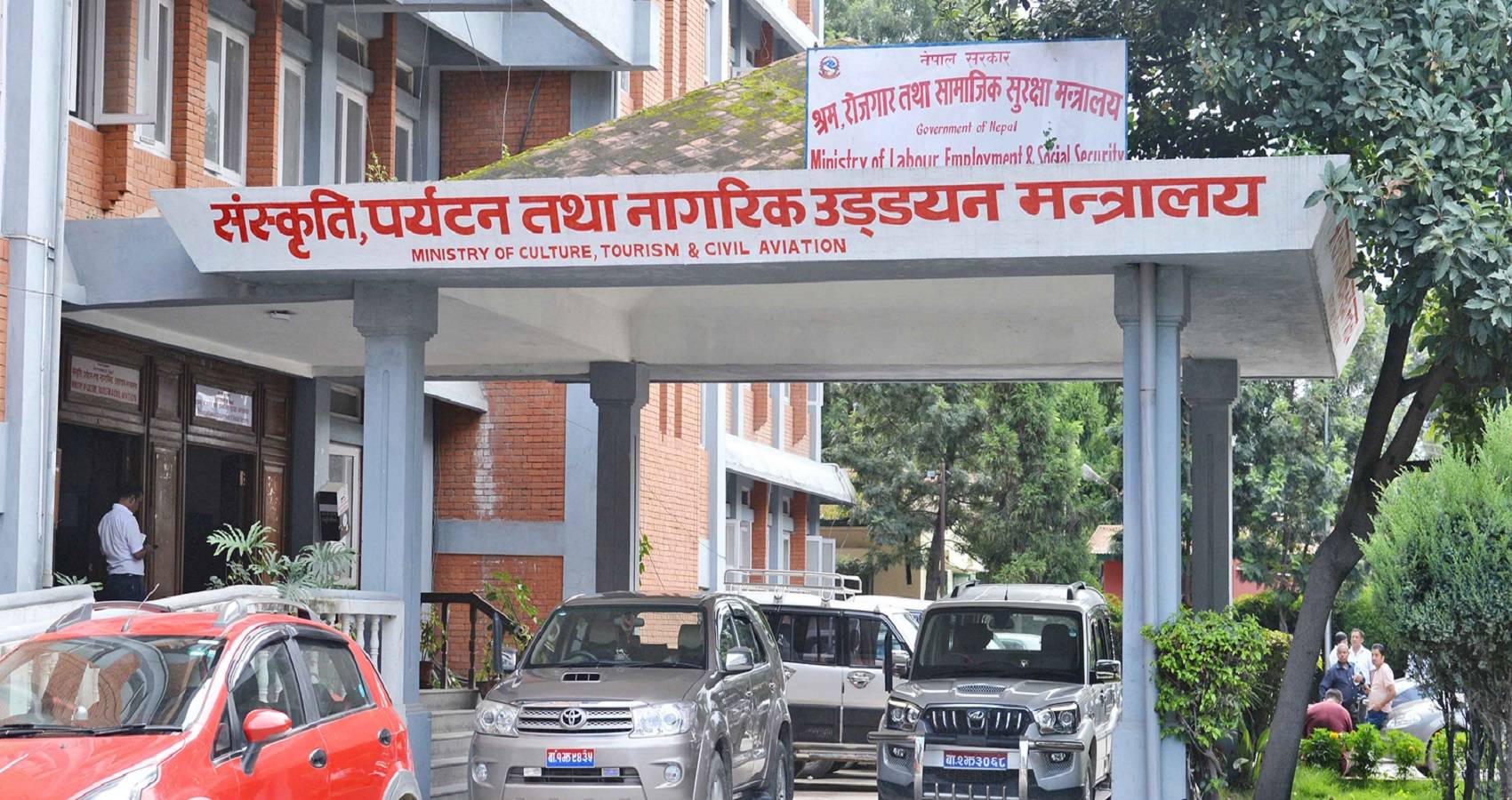
KATHMANDU: The Ministry of Culture, Tourism and Civil Aviation has made two new draft bills public to solicit stakeholder feedback before submitting them to the Cabinet and parliament.
Marking the third time aviation reform bills are heading to parliament, the proposed legislation will officially take effect three months after passing into law and being published in the Nepal Gazette.
Upon implementation, the Civil Aviation Authority of Nepal (CAAN) will formally split into two separate entities: a regulatory body overseeing safety standards and licensing, and an autonomous service provider named the Nepal Air Services Authority (ASAN) tasked with constructing, operating, and managing the country’s airports and air navigation systems.
This institutional unbundling directly responds to long-standing directives from the International Civil Aviation Organization (ICAO), which has urged Nepal since 2014 to separate its service provision from safety oversight to eliminate conflicts of interest.
The lack of functional separation has been a primary factor keeping Nepali airlines on the European Union Air Safety List since 2013, barring them from flying to EU member states.
Under the transition plan, all land, buildings, airports, and navigation assets belonging to CAAN will transfer to ASAN, and permanent staff will automatically transition to the new authority unless they apply to remain with the regulator within a 60-day window.
Financially independent of general government revenue, ASAN will be funded by its own dedicated collection of landing charges, passenger fees, and ground handling revenues.
Additionally, to combat critical hazards like bird strikes, the bill introduces safety perimeters that penalize waste dumping or running unregulated slaughterhouses within a three-kilometer radius of airports, empowering the managing director to levy fines of up to Rs 500,000 against violators.