Kathmandu
Sunday, July 19, 2026





Without jurisdiction, Indian Customs seized an RNAC Boeing 727 carrying British Gorkha passengers during its Hong Kong–Kathmandu refueling halt
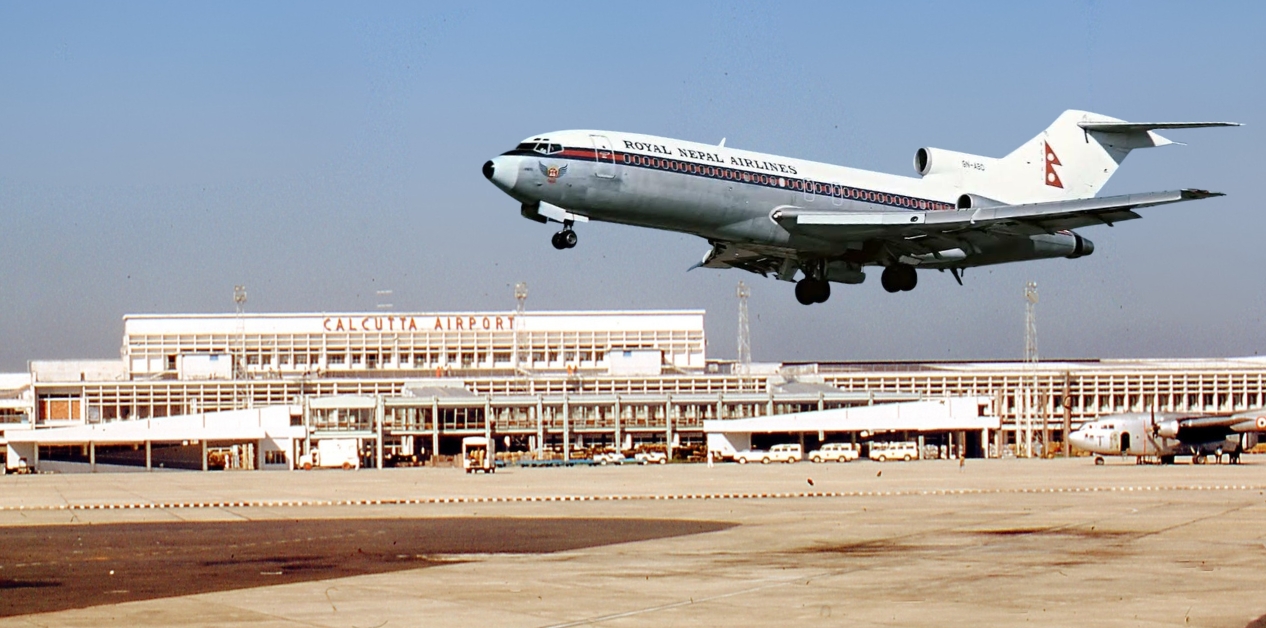
KATHMANDU: November 16, 1987. Dum Dum Airport, Kolkata, now known as Netaji Subhash Chandra Bose International Airport.
At 10:53 am on a Monday, a Nepali Boeing 727 landed for a routine refueling stop. What followed would go down as one of the most controversial episodes in Nepal’s aviation history.
Within moments of landing, Indian Customs security personnel surrounded the aircraft operated by the then Royal Nepal Airlines Corporation (RNAC). Without prior notice, they forcibly entered the plane and began a search.
The aircraft was returning from Hong Kong to Kathmandu, carrying 78 passengers, most of them serving in the British Gorkhas. The flight had been chartered by the soldiers themselves as they returned home after a long time abroad. But before they could even reach Nepali soil, their journey was abruptly interrupted.
The search sparked immediate outrage. Passengers and crew alike were furious.
Former RNAC Captain Dadhi Ram (DR) Niraula still recalls the moment with anger. “Our crew repeatedly tried to explain that this did not fall under their jurisdiction,” he says. “But they refused to listen.”
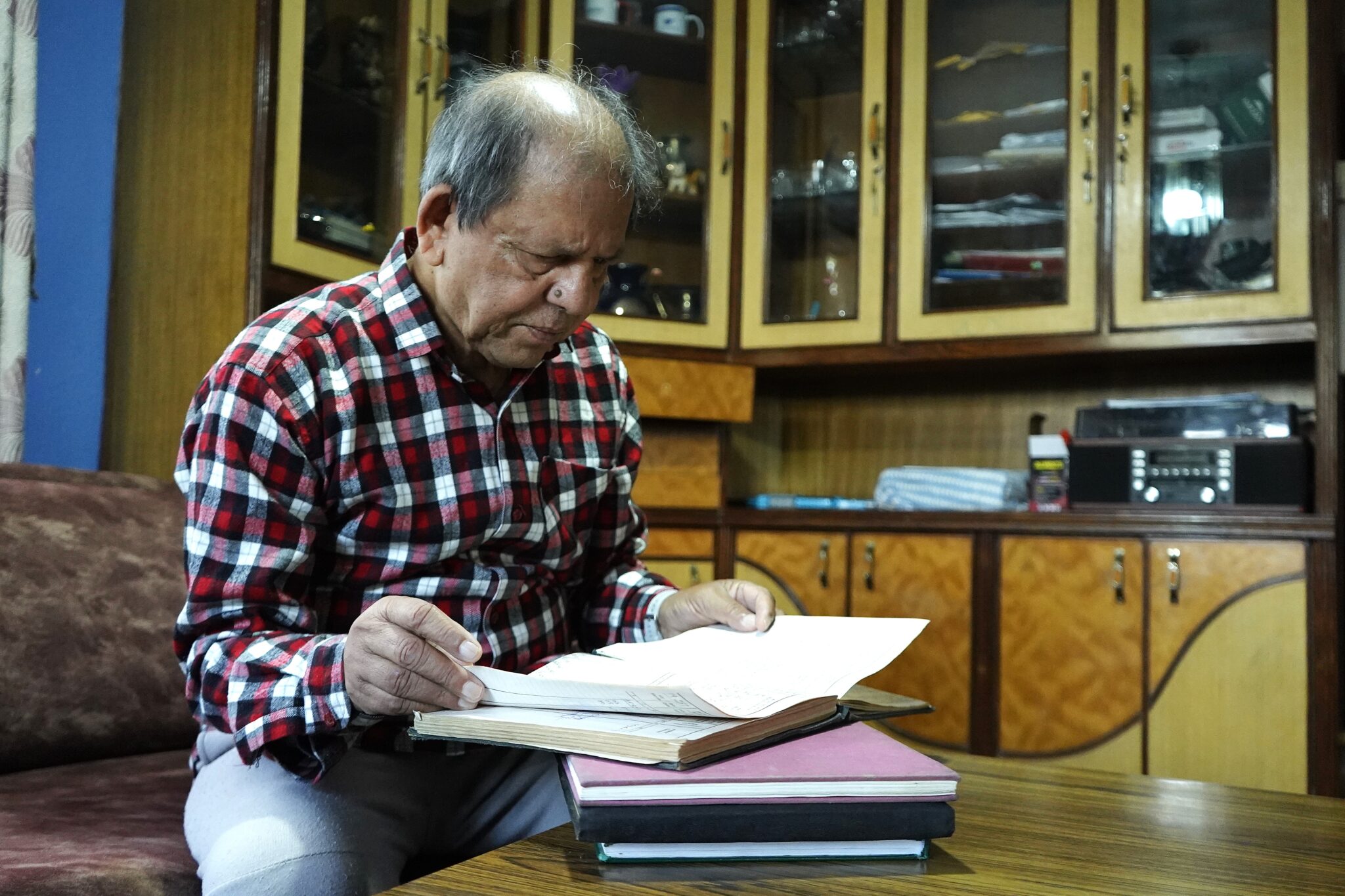
Former Captain DR Niraula. Photo: Bikram Rai/Nepal News
The aircraft was detained at Dum Dum Airport for 17 hours. After combing through every part of the plane, Indian Customs officials exited carrying 20 kilograms of gold.
According to a report in Gorkhapatra, the aircraft, taken under control at around 11 am Monday, was only released at 4 am the following day.
Back in Nepal, panic spread among the families of passengers.
Former RNAC Captain Dadhi Ram (DR) Niraula still recalls the moment with anger. “Our crew repeatedly tried to explain that this did not fall under their jurisdiction,” he says. “But they refused to listen.”
In a statement issued on November 20, 1987, RNAC expressed sympathy for the distress caused. The airline acknowledged the “mental pain and inconvenience” faced by passengers and their families after the aircraft, on a routine refueling stop in Kolkata, was held for 17 hours during a customs search.
As compensation, RNAC decided to provide Rs 5,000 to each passenger. The same amount was awarded to crew members in recognition of their restraint and professionalism during the incident.
The episode later became infamous as the “Boeing 727 Gold Scandal.” Indian authorities claimed the Nepali aircraft was being used for gold smuggling into India.
Captain Niraula, now nearing 80, offers his perspective: “At that time, refueling in Kolkata before landing in Kathmandu had almost become standard practice. RNAC had prior permission. That is what they took advantage of.”
The Indian side, however, maintained that it had received intelligence via Interpol about gold smuggling on flights from Hong Kong to Kolkata. Acting on that information, they said, the aircraft was detained and searched.
Niraula disputes the legality of the move. “Conducting a search while passengers are still onboard and the aircraft is only refueling violates international norms,” he says. “But they made no effort to hear the Nepali side.”
The fallout was severe. The incident dealt a major blow to RNAC’s reputation.
Former Nepal Police AIG Rabi Raj Thapa recalls the wider impact: “Gold smuggling through Tribhuvan Airport was already known. But this was probably the first time a Nepali aircraft was detained on foreign soil over such an allegation. It led to global negative publicity.”
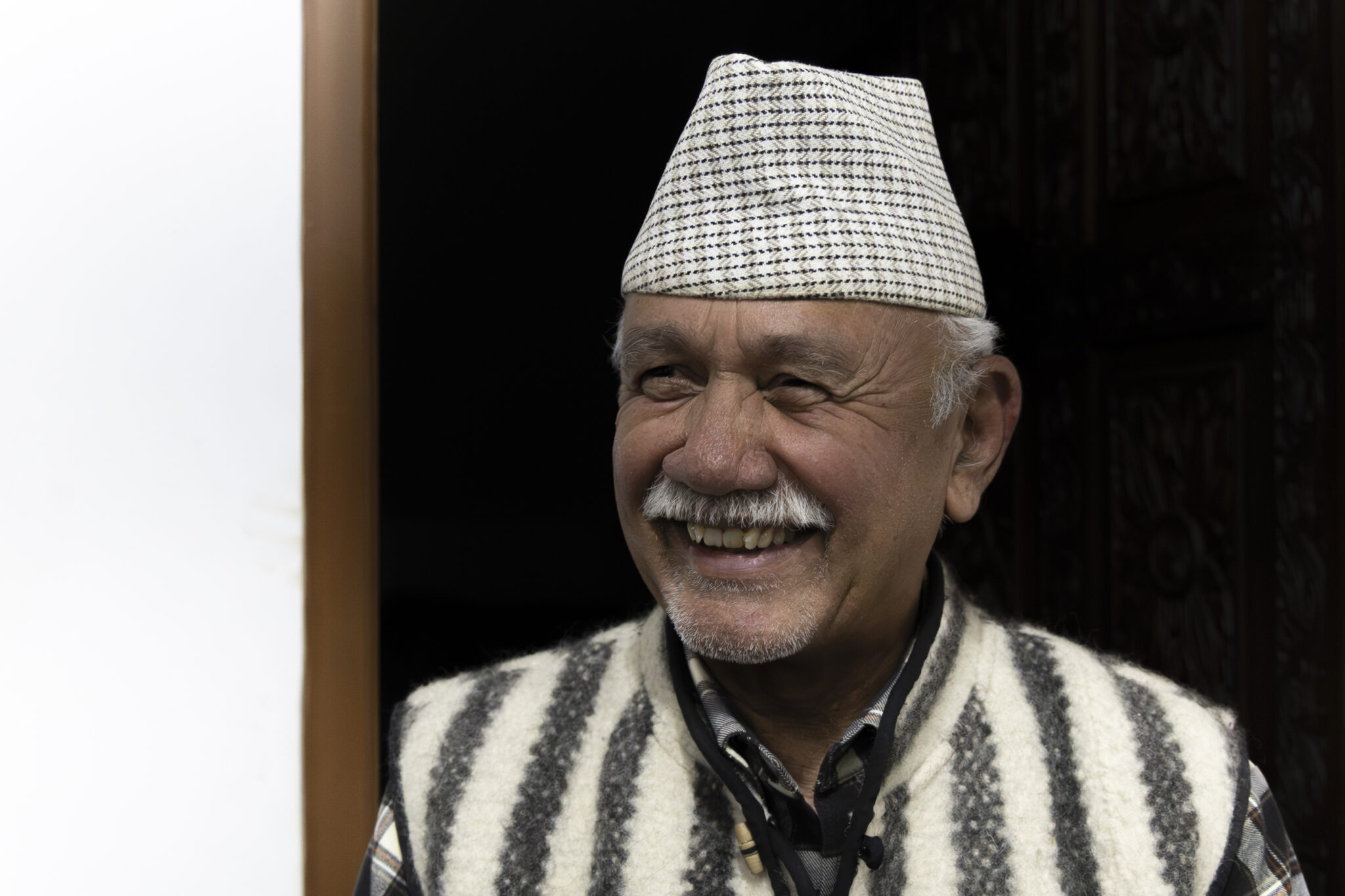
Former AIG Rabi Raj Thapa. Photo: Bikram Rai/Nepal News
At the time, gold smuggling in Nepal was widespread. Government data shows that between fiscal years 1984/85 and mid-June 1988, around 1,400 kilograms of gold were seized and deposited at Nepal Rastra Bank. In fiscal year 1986/87 alone, 359 kilograms were confiscated.
Several high-profile cases underscored the scale of the problem. In 1987, a Costa Rican ambassador was caught at Tribhuvan International Airport with 33 kilograms of gold. Though he avoided prosecution due to diplomatic immunity, the gold was seized.
Former Nepal Police AIG Rabi Raj Thapa recalls the wider impact: “Gold smuggling through Tribhuvan Airport was already known. But this was probably the first time a Nepali aircraft was detained on foreign soil over such an allegation. It led to global negative publicity.”
On June 10, the same year, 195 kilograms of gold, worth about Rs 100 million, were seized from another chartered Gorkha Rifles flight. Multiple individuals, including Indra Bahadur Gurung, Lopsang Lama, and Min Bahadur Gurung, along with several loaders, were arrested.
During this period, nearly 75 percent of gold entering Nepal came through the Hong Kong route. Cases involving foreign nationals were also common. Indian citizen Ved Prakash Kandoi was caught with 9.3 kilograms of gold, while Swedish national Tomas Kricek was arrested with 9 kilograms. Both were sentenced by the Kathmandu District Court to one year in prison, with an additional four years if fines were not paid.
Despite the scale of smuggling, enforcement remained weak. Tribhuvan Airport had four X-ray machines and two metal detectors, but two of the machines had been out of order for a long time. Customs officer Deep Basnet was known to say, “We catch many smugglers just by observation.”
Legally, about 25 to 30 kilograms of gold entered Nepal each month. Under the ‘Jhiti Gunta’ personal baggage rule, individuals were allowed to bring up to three tolas (34.99 grams) of gold. Smugglers exploited this by offering financial incentives to travelers returning from Hong Kong to carry gold on their behalf.
The passengers on the November 16 flight, many of them long-serving British Gorkha personnel, were carrying gold under these provisions. Indian Customs, however, confiscated it, alleging smuggling.
The incident further strained Nepal-India relations.

Kul Bahadur Limbu. Photo: YouTube
Former Nepal Airlines captain Kul Bahadur Limbu suggests deeper motives: “RNAC contributed about one-fourth to the national income. Foreigners preferred our airline over India’s. It sometimes feels like the incident was orchestrated.”
At the time, bilateral relations were already tense, particularly over transit treaty issues.
“This was not India’s concern,” Limbu says. “Even if individuals were involved, there was no reason to charge RNAC. It appeared orchestrated.”
The Nepali government responded quickly. On November 19, a team from RNAC was dispatched to Kolkata for investigation. Former NAC Executive Chairman Madan Kharel recalls, “I had just joined. We were told the matter had been settled after talks.”
But that was not the end. In 1988, Kolkata Customs later filed a case against RNAC in the High Court, Kolkata, accusing it of involvement in gold smuggling.
The move triggered widespread criticism in Nepal. Many questioned RNAC’s leadership, arguing that it failed to respond even when foreign authorities forcibly entered a Nepali aircraft and searched it. There was also concern that Nepal’s national carrier was being portrayed internationally as a conduit for smuggling.
“This was not India’s concern,” Limbu says. “Even if individuals were involved, there was no reason to charge RNAC. It appeared orchestrated.”
Beyond diplomacy, the scandal also exposed internal weaknesses. Nepal was then in the final years of the Panchayat system, a period already marked by political fragility.
The Boeing 727 incident did more than damage an airline’s reputation. It raised uncomfortable questions about governance, sovereignty, and the country’s global image.
In its aftermath, the Nepali aircraft even earned a mocking nickname: “Sunchari,” a slang term implying a “gold-carrying bird.”