Kathmandu
Thursday, June 18, 2026





Kathmandu University has recorded its highest-ever foreign enrollment in MBBS studies, with all 43 international seats filled this year following the introduction of consultancy-based student recruitment
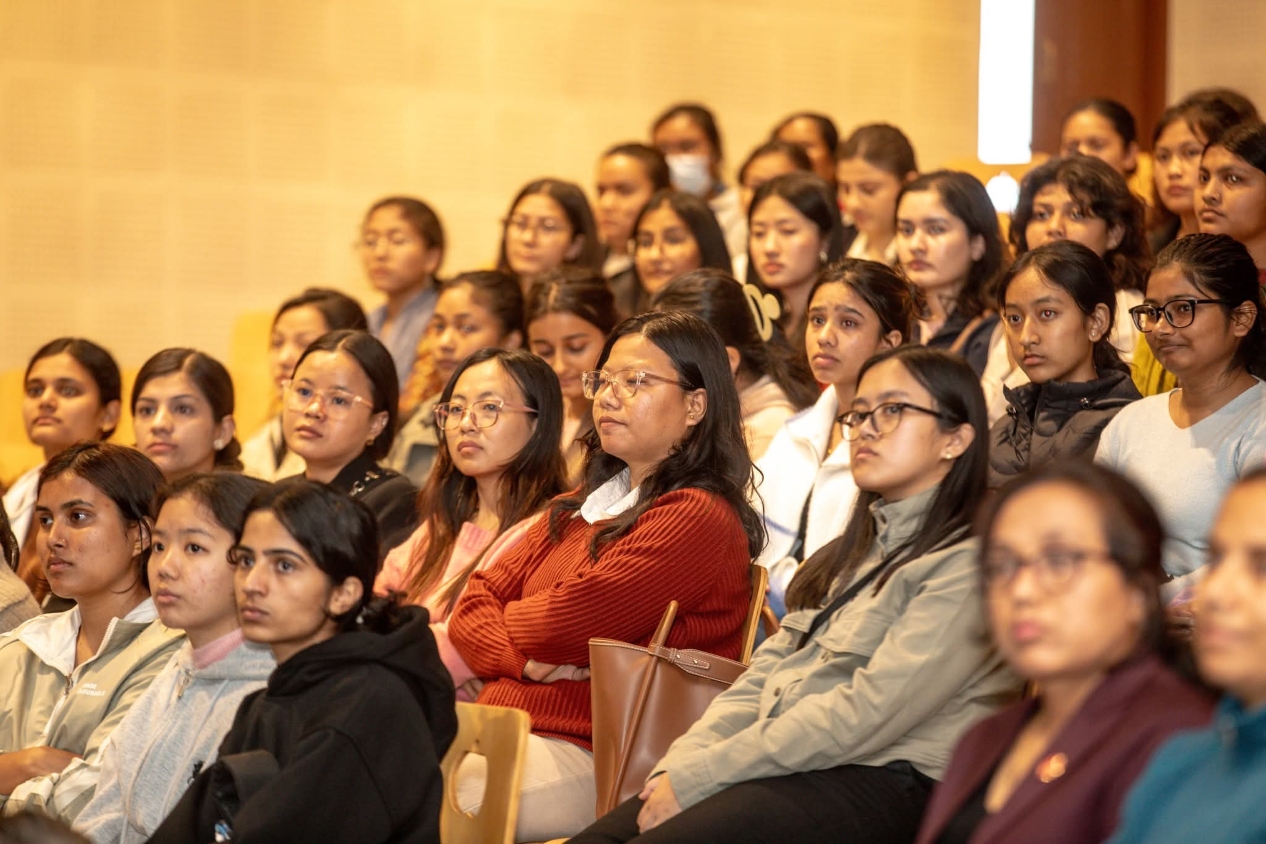
KATHMANDU: The Kathmandu University (KU) School of Medical Sciences in Dhulikhel has achieved 100% foreign student enrollment in its undergraduate medical program (MBBS) for the first time. The university secured full enrollment for its foreign student allocation after collaborating with an educational consultancy to meet its seat capacity.
According to Prof. Dr. Manoj Humagain, Dean of the KU School of Medical Sciences, foreign student enrollment previously ranged from just three or four individuals up to a maximum of 18 per batch. “This time, for the first time, the quota has been fully met,” he stated.
The KU School of Medical Sciences has an allocation of 130 seats for MBBS studies each academic session, out of which 43 seats are reserved for foreign students. For the current 2026 academic session, all 43 seats have been filled by international students. In previous years, when fewer foreign students applied, the vacant seats were filled by Nepali students instead. For the current 2026 academic session, the tuition fee for foreign students in the MBBS program has been set at 75,000 USD.
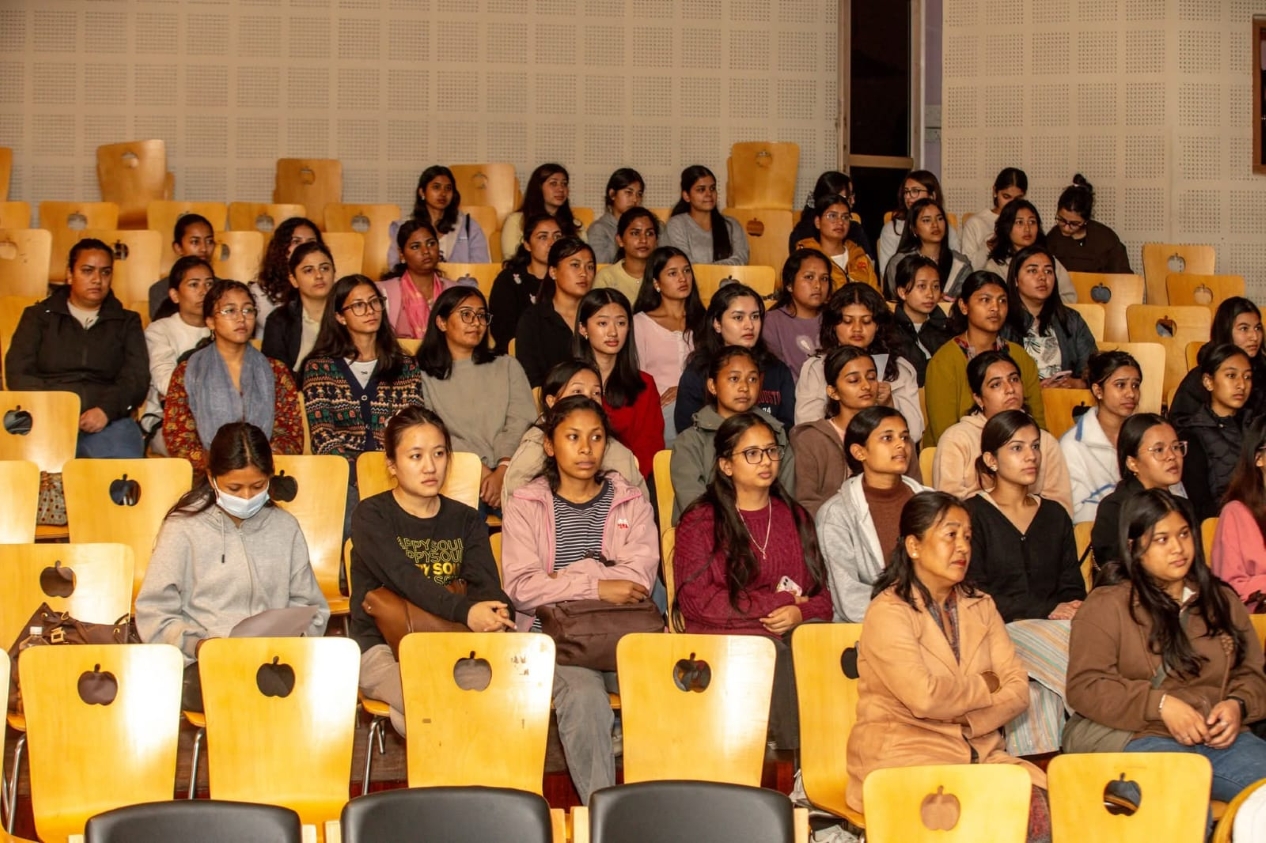
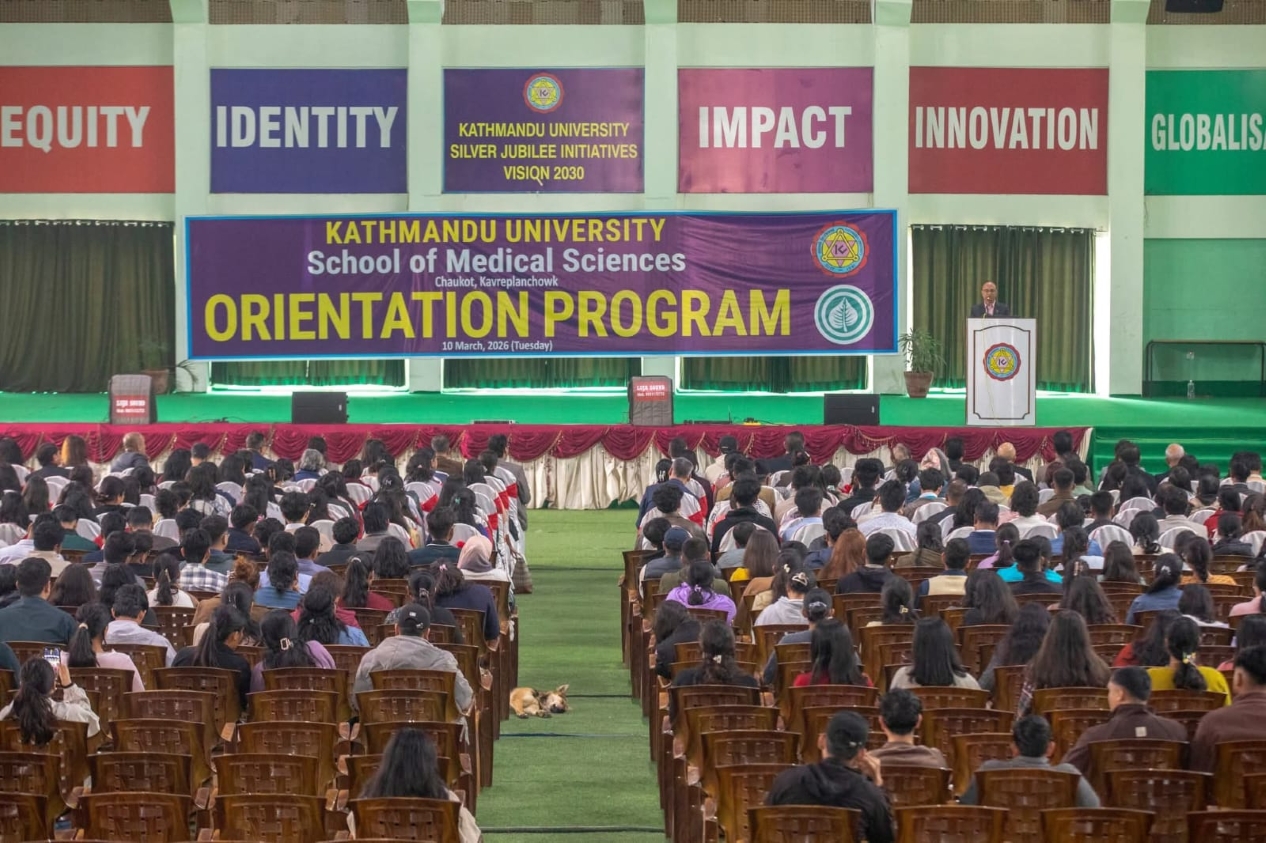
Participants of the orientation program.
KU launched its MBBS course under the medical sciences stream in 1994. Since 2001 AD, classes have been conducted at its own constituent campus, Dhulikhel Hospital. According to Humagain, while it has always been KU’s policy to attract foreign students to Nepal for higher education, the MBBS seats were never filled to capacity. Failing to receive the expected number of students, the university began partnering with a consultancy from the current academic session to attract applicants.
When KU opened a call for Letters of Intent for this purpose, three consultancies applied. Among them, one consultancy was selected and handed the responsibility of recruiting foreign students. “This year marks the beginning for the MBBS department, but this practice has been in place for other courses, including engineering, for a long time,” Humagain added. The consultancy receives a service fee from KU for recruiting international students and is strictly prohibited from charging fees directly to the students.
According to the agreement signed between KU and the consultancy, the agency must fulfill the entire foreign student quota every academic session. If the number of students falls short of the capacity, the service fee rate paid to the consultancy will decrease.
Despite adopting the policy of enrolling students through a consultancy, KU still grants admission strictly on the basis of academic merit. Dean Humagain explained that admission intakes are opened with specific criteria, including tuition fees, set for each academic session.
The consultancy performs the initial phase of screening based on the merit of the applying students. Those selected through this phase must participate in the Medical Education Commission’s common entrance examination. Only those who pass this examination qualify for admission into KU’s MBBS course. Meanwhile, applicants who have passed India’s National Eligibility cum Entrance Test (NEET) gain direct entry into the Medical Education Commission’s selection phase based on the scores they achieved there.
Nearly 95 percent of the foreign students enrolled at KU are Indian nationals. This strong attraction is largely due to the fact that those who have passed India’s NEET can apply directly for MBBS studies in Nepal. The Commission ranks applicants according to their NEET scores and matches them to the available seats, giving top priority to those highest on the merit list.
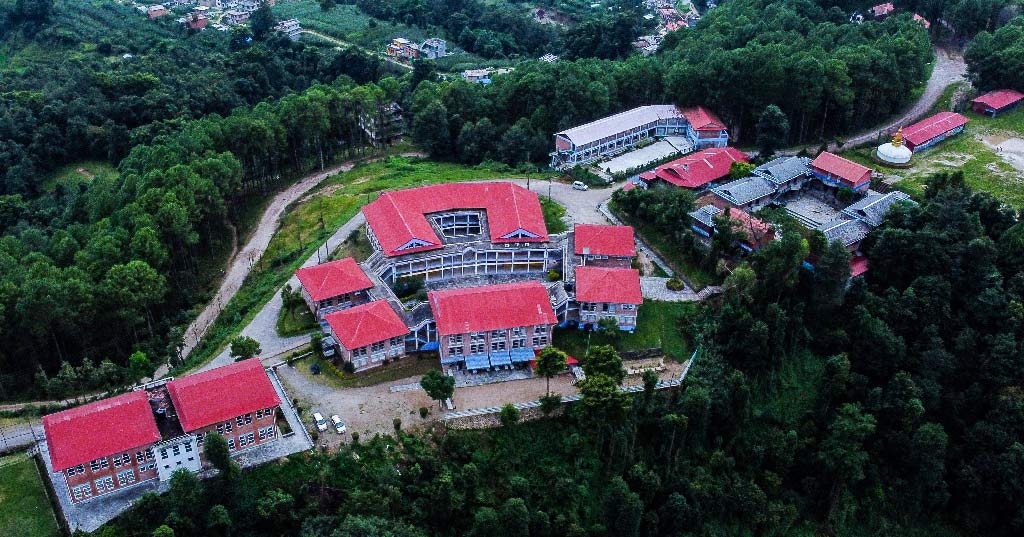
Kathmandu University School of Medical Sciences (KUSMS)
Furthermore, Humagain pointed out that the significant interest from Indian students is driven by the fact that the lifestyle and culture of Nepal and India are highly similar, alongside the ease of travel between the two nations. “Since the nature of diseases seen in India and Nepal is also quite similar, they find it convenient for both studying and practicing,” he noted. “Parents and students often share that foreign students who graduated from Nepal enjoy an excellent pass rate in licensing examinations and other career opportunities.”
Humagain recalled that students from Sri Lanka also used to come to study MBBS in the past, but they stopped enrolling after facing travel difficulties while commuting for various stages of the entrance examinations. Because securing students through a consultancy has proven successful, other departments within KU are also considering implementing this practice.
The MBBS program run by KU is a five-and-a-half-year course. It consists of two years of pre-clinical studies, two-and-a-half years of clinical studies, and one year of mandatory residential internship.
By the year 2021, a total of 12,144 students had graduated with an MBBS degree from the KU School of Medical Sciences.