Kathmandu
Tuesday, July 21, 2026





Nepal opens its biggest-ever wealth probe into political power, but questions remain over whether it will deliver justice or another report

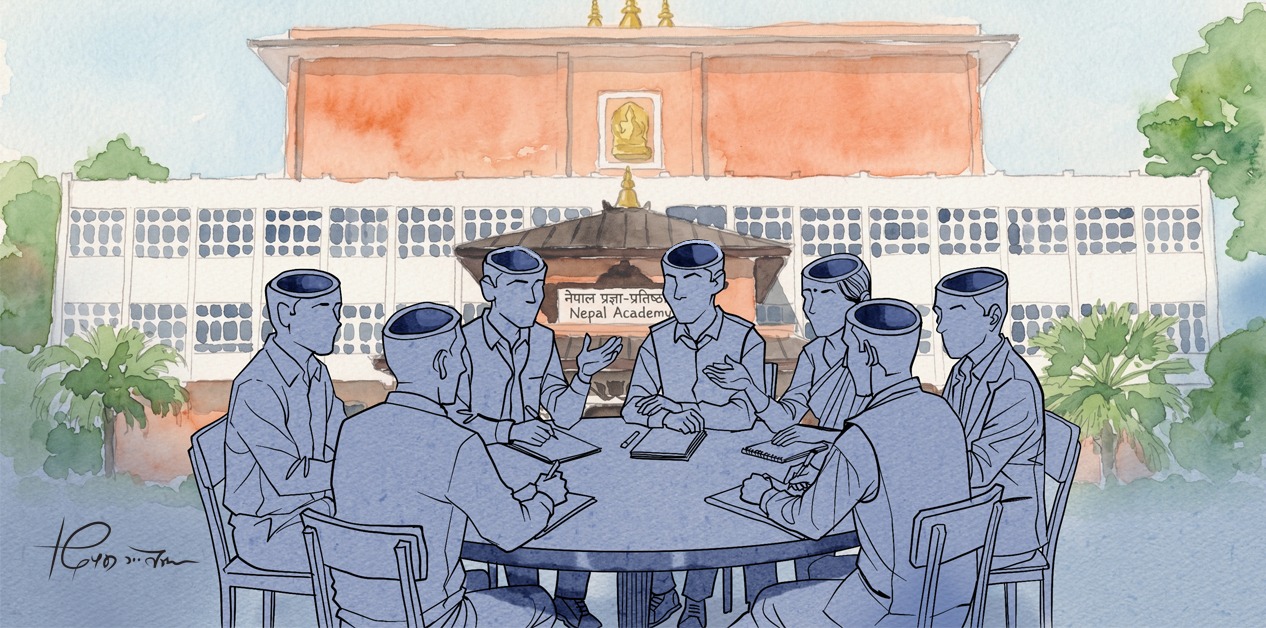
KATHMANDU: On April 15, 2026 — exactly 19 days after Prime Minister Balendra “Balen” Shah was sworn in — the newly formed Cabinet under his leadership authorized a high-level, five-member commission chaired by former Supreme Court Justice Rajendra Kumar Bhandari to investigate the “unexplained wealth” of Nepal’s political and bureaucratic elite.
This move fulfills a primary campaign promise following the landslide victory of the Rastriya Swatantra Party (RSP) and the youth-led “Gen Z protest” of 2025.
The commission has been given a broad mandate to investigate the assets of every major political leader and top bureaucrat who has held office in Nepal since 2006.
The panel is headed by a retired Supreme Court justice and carries the weight of a nation that has watched corruption scandals pile up for decades, with almost no one of consequence ever truly held to account.
The formation of the high-level asset investigation commission is the direct consequence of the most significant political realignment in Nepal since the abolition of the monarchy. The March 2026 general elections saw the Rastriya Swatantra Party (RSP), aligned with the rising popularity of Balendra Shah (Balen), secure a historic mandate.
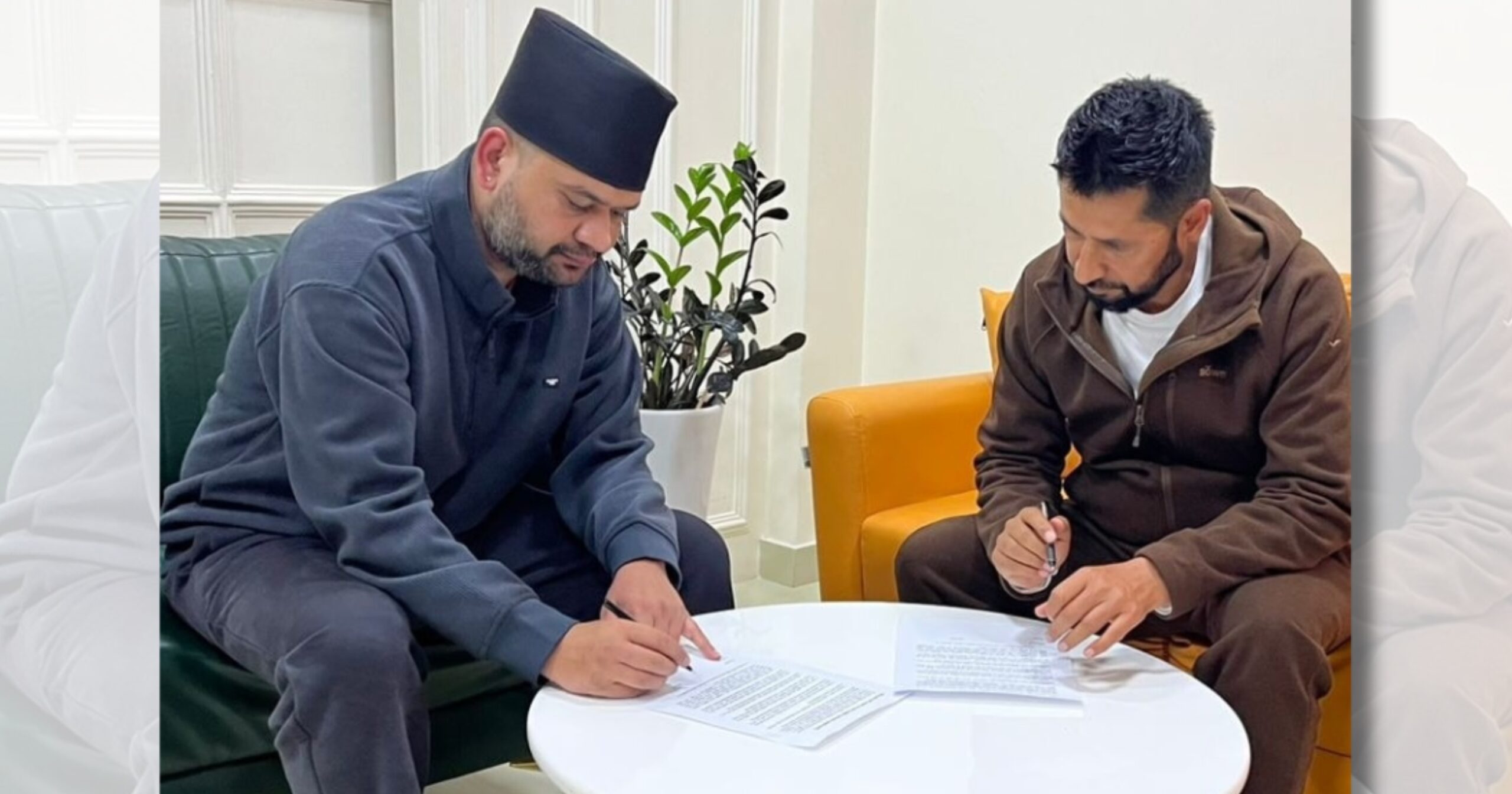
RSP Chairman Rabi Lamichhane and Kathmandu Mayor Balen signed a seven-point agreement in the wee hours of Sunday, declaring Balen as the party’s prime ministerial candidate for the upcoming general elections
The party’s platform was built almost exclusively on the pillars of radical transparency, anti-corruption, and the dismantling of the “syndicate” system of governance that has dominated Nepal for decades.
This political shift was catalyzed by the 2025 Gen Z protest—a massive, youth-led uprising sparked by a series of high-profile corruption scandals and a deepening economic crisis that ultimately ousted the government of KP Sharma Oli.
The RSP government released a “100-point Governance Reform Agenda” on March 27, 2026, which explicitly promised that an independent body to probe the assets of public officials would be operational within 15 days of taking office.
By making the Cabinet decision on April 15, exactly 19 days after being sworn in, Prime Minister Shah signaled that his administration intended to treat accountability as its highest priority. Government spokesperson Sasmit Pokhrel framed the move as an essential step to “end the era of impunity” and restore public trust in the state.
Furthermore, the timing is bolstered by ongoing investigations into former Prime Ministers Sher Bahadur Deuba, KP Sharma Oli, and Pushpa Kamal Dahal. It also includes former ministers Arzu Rana Deuba and Deepak Khadka.
This has created a unique window of political opportunity. Public demand for justice has reached a fever pitch. As a result, the status quo of “political protection” is becoming increasingly untenable.
The commission is legally empowered to function as a specialized fact-finding and verification body. Its primary mandate is to systematically collect, review, and verify the asset declarations of every high-ranking political leader and senior bureaucrat who has held office since 2006.
To achieve this, the commission is granted the authority to cross-reference these self-reported declarations against a wide array of independent data sources. This includes access to the Department of Land Reform and Management records, the Nepal Stock Exchange (NEPSE) shareholding data, internal bank transaction logs, and the Integrated Tax System of the Inland Revenue Department.
It operates directly under the Office of the Prime Minister and Council of Ministers (OPMCM), providing it with the necessary executive weight to bypass lower-level bureaucratic hurdles.
However, it is critical to understand the commission’s structural limitations. It is not a judicial body or a law enforcement agency in the traditional sense. It lacks “suo motu” prosecutorial powers; it cannot issue arrest warrants, freeze bank accounts on its own authority, or hand down sentences.
Its role is to produce a comprehensive, evidence-backed report and refer specific cases to the Commission for the Investigation of Abuse of Authority (CIAA) or the Special Court for formal prosecution. This creates a potential “bottleneck” where the success of the probe depends entirely on the willingness of these downstream agencies to act on the commission’s findings.
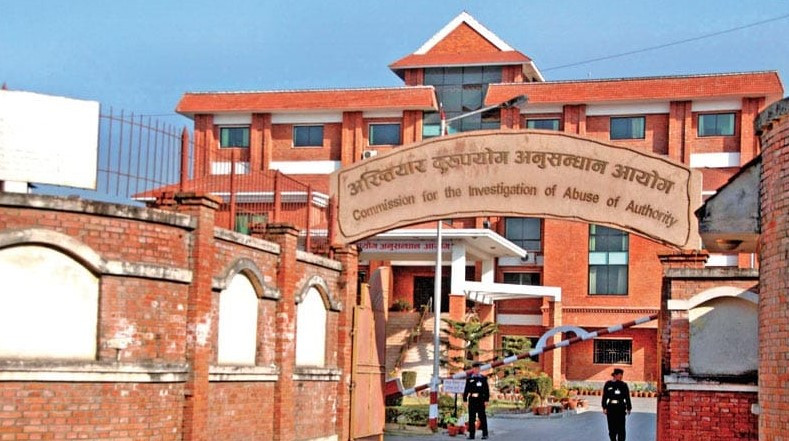
CIAA headquarters/file photo
Critics argue that if the CIAA remains under political influence, the commission’s work may simply result in another “dust-gathering” report, while supporters argue that the sheer volume of public evidence produced will make it impossible for prosecutors to remain idle.
Who exactly falls under the scope of Nepal’s new asset investigation commission?
The high-level asset investigation commission is expected to examine a broad spectrum of current and former public officeholders from 2006 onwards, making it one of the most far-reaching probes in Nepal’s history.
At the top level, it includes former heads of state and government: former King Gyanendra Shah, who exercised executive authority during 2005–2006, as well as former Presidents Dr. Ram Baran Yadav, Bidya Devi Bhandari, and current President Ram Chandra Paudel, along with former Vice Presidents Parmananda Jha and Nanda Bahadur Pun.
All former Prime Ministers and the head of the governments since the post-2006 transition are expected to be investigated, including Pushpa Kamal Dahal (Prachanda), Madhav Kumar Nepal, Jhalanath Khanal, Baburam Bhattarai, Khilraj Regmi, Sher Bahadur Deuba, KP Sharma Oli, and Sushila Karki, along with other short-term transitional leaders.
The scope also extends to former ministers, deputy prime ministers, and senior political figures across parties such as Nepali Congress, CPN (UML), Nepali Communist Party and Madhesh-based parties. It further includes former chief justices along with senior bureaucrats from secretaries down to top civil service and state enterprise leadership.
High constitutional officeholders—including Speakers, Deputy Speakers, and heads of key state bodies such as the Constituent Assembly and constitutional commissions—are also expected to be included.
Importantly, the probe may extend beyond living individuals to include the assets of deceased leaders such as the late Girija Prasad Koirala and the late Sushil Koirala, bringing their families and political heirs under scrutiny as well.
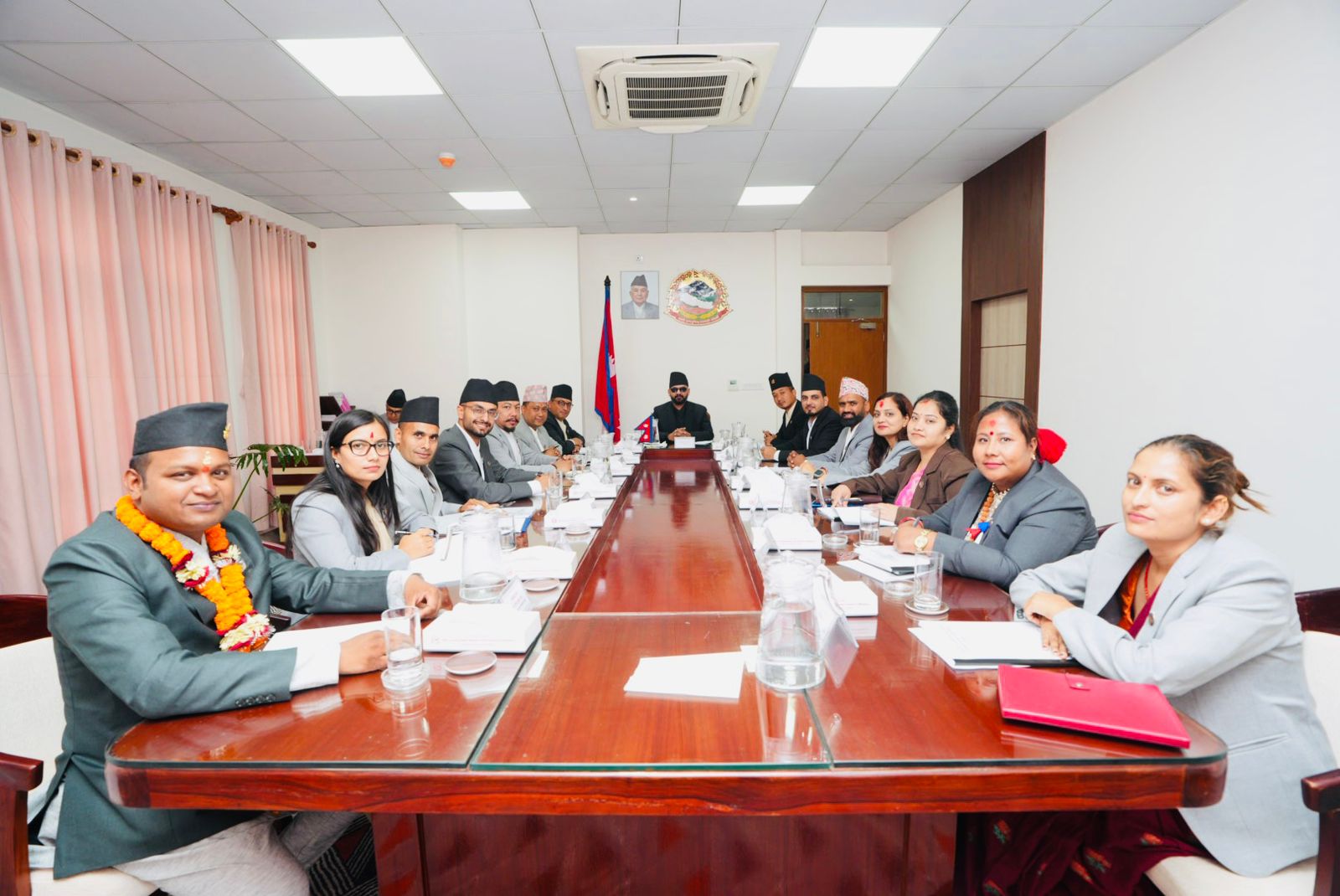
Prime Minister Balen Shah chairs the first meeting of the Council of Ministers. Photo courtesy: Prime Minister’s Secretariat
Not only this, members of the current Cabinet under Balen Shah’s leadership are also said to potentially come under investigation.
The decision also includes current Speaker Dol Prasad Aryal, ministers Birajbhakt Shrestha and Shishir Khanal, and RSP chairman Rabi Lamichhane.
In the last 20 years, 18 governments have been formed. The asset investigation list is expected to include 17 heads of government and more than 286 ministers.
The investigation is structured in two phases. Phase 1 covers the post-2006 republican era up to the present, targeting all Prime Ministers, Cabinet Ministers, MPs, constitutional officeholders, and senior bureaucrats who served during this period. Phase 2, which has been deferred, is expected to cover 1991–2005, the multiparty democracy era following the 1990 movement.
This phased approach has triggered political debate, with critics calling it selective targeting of recent rivals, while the government defends it as a practical step due to better-recorded and digitized data from the last two decades, enabling faster verification and enforcement.
Which governments are included under asset investigation period (2005–2026?
The investigation covers all governments from 2005 to 2026, including the monarchy, transitional, and republican periods:
Who were included in the cabinet under King Gyanendra Shah after February 1, 2005, royal coup?
After King Gyanendra Shah assumed direct rule on February 1, 2005, he formed a royal council of ministers with himself as Chairman of the Cabinet, supported by Vice-Chairmen and ministers across various portfolios.
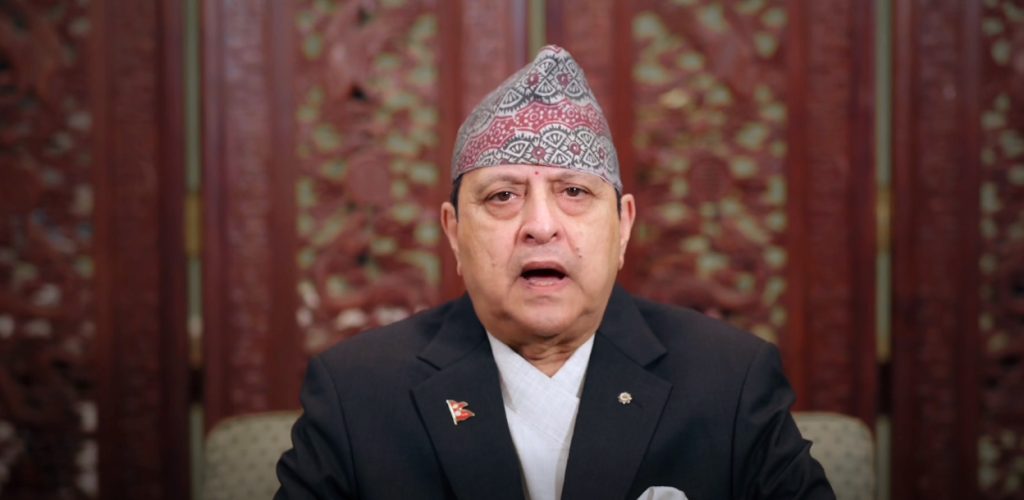
Former king Gyanendra Shah
Vice Chairmen:
Dr. Tulsi Giri – Land Reform and Water Resources
Kirti Nidhi Bista – Physical Planning and Construction
Ministers:
Badri Prasad Mandal – Agriculture and Cooperatives
Ramesh Nath Pandey – Foreign Affairs
Radha Krishna Mainali – Education and Sports
Salim Miya Ansari – Forest and Soil Conservation
Prakash Koirala – Environment, Science and Technology
Krishna Lal Thakali – General Administration
Buddhi Raj Bajracharya – Culture, Tourism and Civil Aviation
Durga Shrestha – Women, Children and Social Welfare
Tanka Dhakal – Information and Communication
Dan Bahadur Shahi – Home Affairs
Khadga Bahadur GC – Local Development
Ram Narayan Singh – Labour and Transport
Madhukar Shumsher Rana – Finance
Niranjan Thapa – Law and Justice
State Ministers: Dr. Rup Jyoti, Yangkila Sherpa, Binod Kumar Shah, Chhakka Bahadur Lama, Golchhe Sarki, Jagat Gauchan, Nikshe Shumsher Rana, and others across various ministries.
Who were the members of the Interim Government led by Girija Prasad Koirala in 2006?
The Interim Government formed in 2006 under Prime Minister Girija Prasad Koirala included a broad coalition of political leaders representing major parties during Nepal’s post–People’s Movement transition.
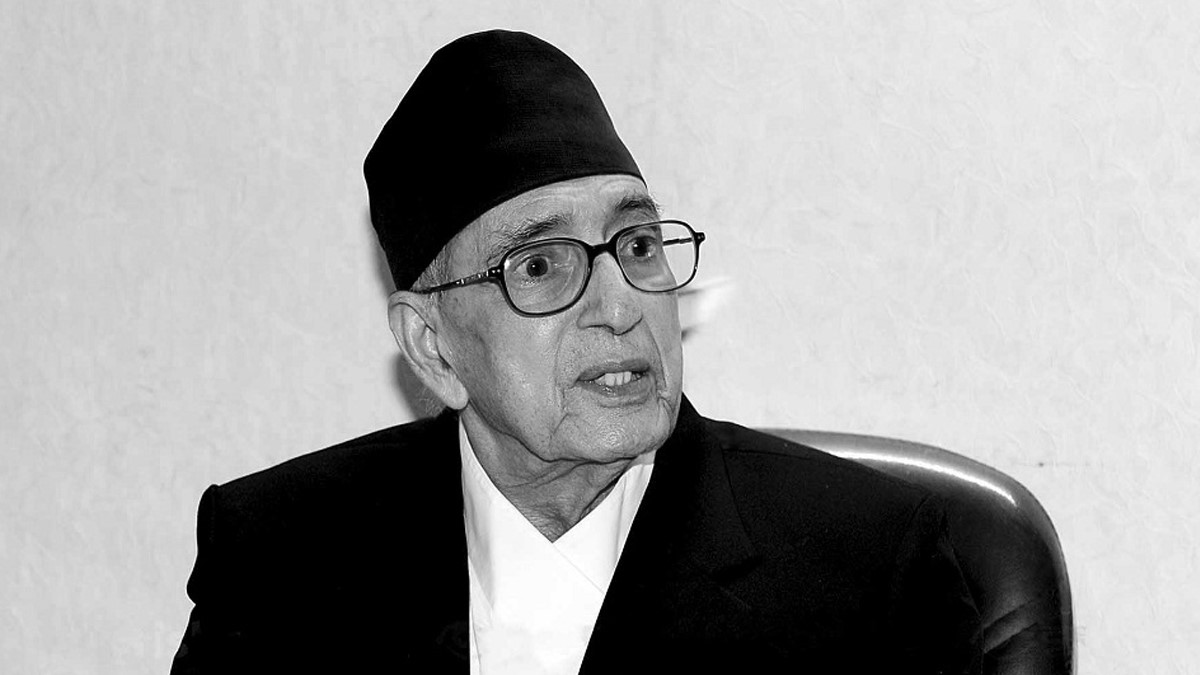
Girija Prasad Koirala
Girija Prasad Koirala – Prime Minister and Defence
Ram Chandra Paudel – Peace and Reconstruction
Sahana Pradhan – Foreign Affairs
Krishna Bahadur Mahara – Information and Communication
Pradip Nepal – Education and Sports
Mahanta Thakur – Environment and Science
Dr. Ram Sharan Mahat – Finance
Narendra Bikram Nemwang – Law and Justice
Krishna Sitaula – Home Affairs
Shyam Sundar Gupta – Industry and Commerce
Prithvi Subba Gurung – Tourism and Civil Aviation
Chhabilal Bishwakarma – Agriculture
Hisila Yami – Physical Planning
Jagat Bogati – Land Reform
Giriraj Mani Pokharel – Health
Khadga Bahadur Bishwakarma – Women and Social Welfare
Who were the members of the Prachanda-led Cabinet formed in 2008, and which leaders are likely to come under scrutiny from that government’s tenure in the ongoing asset investigation?
The Prachanda-led Cabinet formed in 2008 included the following key officeholders who may fall under the scope of the asset investigation covering that period:
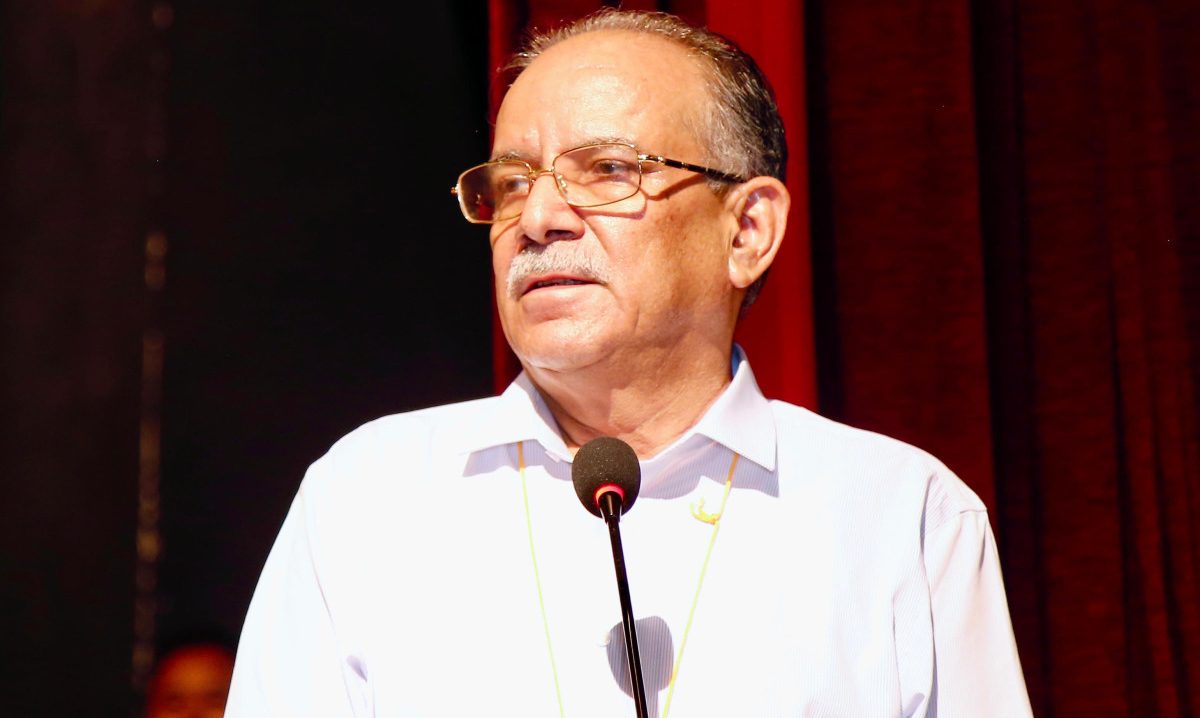
Pushpa Kamal Dahal (Prachanda). File photo
Pushpa Kamal Dahal (Prachanda) – Prime Minister
Bamdev Gautam – Deputy Prime Minister & Home Affairs
Baburam Bhattarai – Finance
Upendra Yadav – Foreign Affairs
Ram Bahadur Thapa – Defense
Bijay Kumar Gachhadar – Physical Planning & Construction
Bishnu Prasad Paudel – Water Resources
Krishna Bahadur Mahara – Information & Communication
Jayaprakash Gupta – Agriculture & Cooperatives
Asta Laxmi Shakya – Industry
Dev Gurung – Law, Justice & Constituent Assembly Affairs
Rajendra Mahato – Commerce & Supply
Matrika Yadav – Land Reform
Gopal Shakya – Youth & Sports
Pampha Bhusal – General Administration
Hisila Yami – Tourism & Civil Aviation
Giriraj Mani Pokharel – Health & Population
Renu Kumari Yadav – Education
Kiran Gurung – Forests & Conservation
Janardan Sharma – Peace & Reconstruction
Gopal Kirati – Culture & State Restructuring
Ram Chandra Jha – Local Development
Lekhraj Bhatta – Labor & Transport
Ganesh Shah – Science & Technology
Ram Chandra Chaudhary – Women, Children & Social Welfare
Who were the members of the Madhav Kumar Nepal Cabinet (2009–2011), and which leaders from this government are included in the ongoing asset investigation scope?
The Madhav Kumar Nepal Cabinet (2009–2011) included the following key officeholders who fall within the period under review in the asset investigation:
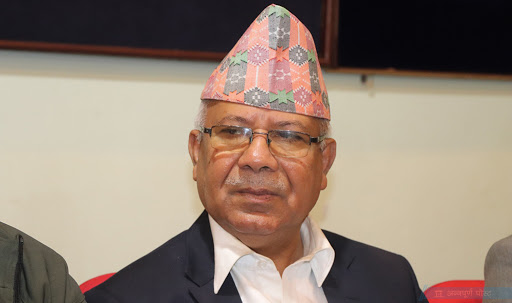
Madhav Kumar Nepal. File Photo
Madhav Kumar Nepal – Prime Minister
Bijay Kumar Gachhadar – Deputy Prime Minister & Physical Planning
Sujata Koirala – Deputy Prime Minister & Foreign Affairs
Bidhya Devi Bhandari – Defense
Bhim Bahadur Rawal – Home Affairs
Surendra Pandey – Finance
Sarvendranath Shukla – Education
Rajendra Mahato – Commerce
Prem Bahadur Singh – Law & Justice
Prakash Sharan Mahat – Energy
Balkrishna Khand – Irrigation
Shankar Pokharel – Information & Communication
Dr. Minendra Rijal – Federal Affairs, Constituent Assembly & Culture
Rakam Chemjong – Peace & Reconstruction
Purna Kumar Sherma Limbu – Local Development
Uma Kanta Chaudhary – Health
Mohammad Aftab Alam – Labor & Transport
Prabhakar Pradhanang – General Administration
Dambar Shrestha – Land Reform
Deepak Bohara – Forest
Mahendra Prasad Yadav – Industry
Mrigendra Yadav – Agriculture
Ganesh Tiwari – Youth & Sports
Thakur Prasad Sharma – Environment
Sarbadev Prasad Ojha – Women & Social Welfare
State Ministers included: Ganesh Bahadur Khadka, Dilli Bahadur Mahat, Jit Bahadur Gautam, Chandra Bhattarai, Khadga Bahadur Basyal, Dhan Bahadur Kurmi, Man Bahadur Shahi, Indra Prasad Dhungel, Sanjay Kumar Shah, Ram Bachan Ahir Yadav, Karima Begum, Shatrughna Singh, Saroj Kumar Yadav, Govinda Chaudhary, Kalavati Devi Dushad, Chanda Chaudhary, and others.
Who were the members of Jhalanath Khanal’s Cabinet (2011) that may fall under investigation in the asset probe?
The high-level asset investigation commission is expected to review individuals who held executive authority during Jhalanath Khanal’s short tenure as Prime Minister in 2011. The cabinet included senior political leaders from multiple parties who controlled key ministries, and they may all come under scrutiny depending on the commission’s final scope.
The main cabinet members were:
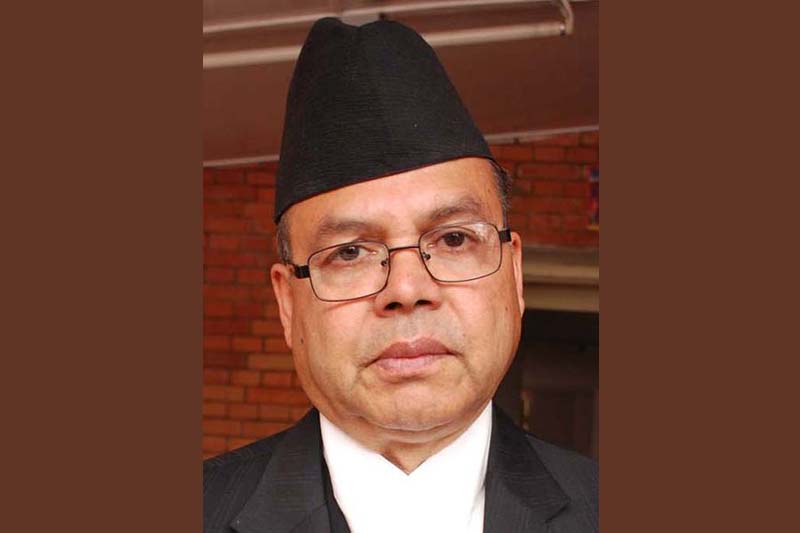
Jhalanath Khanal. File photo
Prime Minister: Jhalanath Khanal
Deputy Prime Minister & Finance: Bharat Mohan Adhikari
Education: Ganga Lal Tuladhar
Defense: Bishnu Paudel
Information & Communication: Krishna Bahadur Mahara / Agni Prasad Sapkota
Physical Planning: Top Bahadur Rayamajhi
Peace & Reconstruction: Barshaman Pun / Bishwanath Shah
Tourism: Khadga Bahadur Bishwakarma
Foreign Affairs: Upendra Yadav
Home Affairs: Shakti Bahadur Basnet
Energy: Gokarna Bista
Agriculture: Ghanshyam Bhusal
Local Development: Urmila Aryal
General Administration: Yuvraj Karki
Women & Social Welfare: Jayapuri Gharti
Land Reform: Ram Chandra Chaudhary
Industry: Mahendra Paswan
Law & Justice: Prabhu Sah
Youth & Sports: Hit Bahadur Tamang
Labor & Transport: Mohammad Istiyak Rai
Science & Technology: Sunil Kumar Manandhar
Federal Affairs & Constitution: Khagendra Prasad Prasai
In addition, state ministers such as Shatrughan Mahato, Dal Bahadur Sunar, Ramji Sharma, Dambar Sambahamphe, Bhagwati Chaudhary, Hakikullah Khan, Devi Khadka, Dharmashila Chapagain, Dhruv Limbu, and Nandan Kumar Dutta, among others, were also part of the government structure and may fall within the commission’s broader investigation into public officeholders.
Who were the members of Dr. Baburam Bhattarai’s Cabinet (2011–2013) that may come under investigation in the asset probe, and what portfolios did they hold?
The asset investigation commission is expected to examine individuals who held executive authority during Dr. Baburam Bhattarai’s premiership from 2011 to 2013, a period marked by coalition politics and major administrative restructuring.
The cabinet included the following key officeholders:
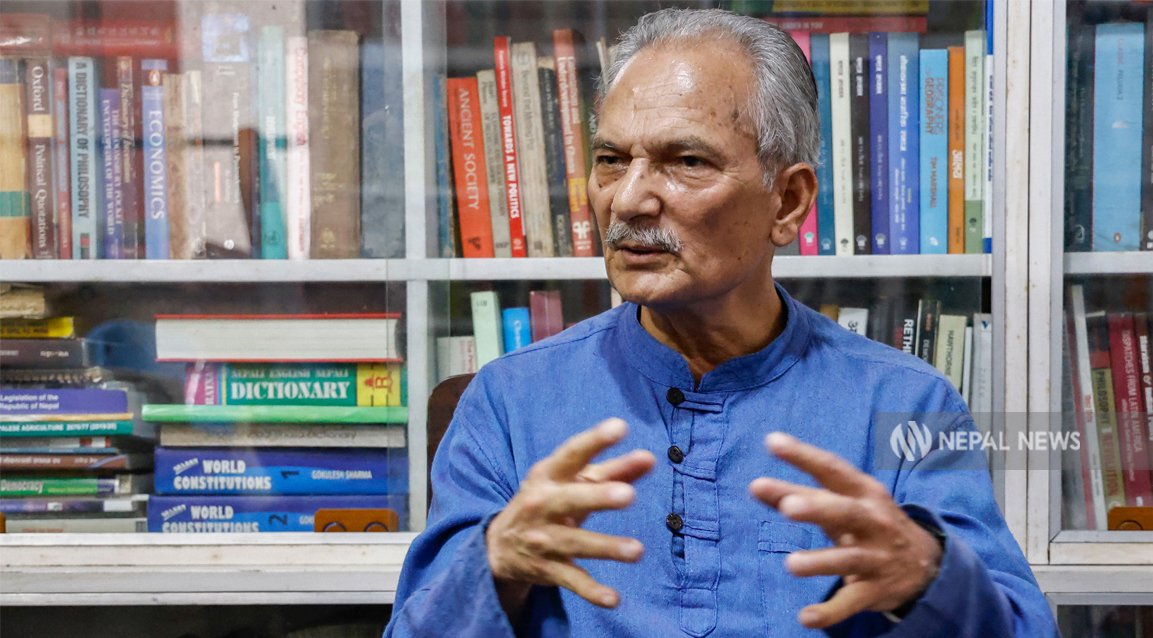
Baburam Bhattarai. Photo: Bikram Rai/Nepal News
Prime Minister: Dr. Baburam Bhattarai
Home & Defense: Bijay Kumar Gachhadar
Foreign Affairs: Narayan Kaji Shrestha
Information: Jayaprakash Gupta
Physical Planning: Hridesh Tripathi
Energy: Posta Bahadur Bogati
Local Development: Top Bahadur Rayamajhi
Health: Rajendra Mahato
Finance: Barshaman Pun
Education: Dinanath Sharma
Irrigation: Mahendra Prasad Yadav
Tourism: Lokendra Bista Magar
Federal Affairs: Gopal Kirati
Commerce: Lekhraj Bhatta
Land Reform: Bhim Prasad Gautam
General Administration: Ram Kumar Yadav
Industry: Anil Kumar Jha
Law & Justice: Brijesh Kumar Gupta
Environment: Hemraj Tated
Agriculture: Nandan Kumar Dutta
Youth & Sports: Kamala Roka
Women & Social Welfare: Dhan Bahadur Kurmi
In addition, state ministers including Sarita Giri, Kumar Belbase, Yadubansh Jha, and Badri Prasad Neupane also served in subordinate executive roles and may fall within the commission’s broader scope of investigation into public officeholders during this administration.
Who were the members of Khil Raj Regmi’s Interim Election Government (2013–2014) that may come under the scope of investigation?
The asset investigation commission is expected to review individuals who held executive authority during the interim election government led by Khil Raj Regmi from 2013 to 2014, a period when the judiciary chief headed the executive to conduct national elections.
The key members of this cabinet were:
1622207022.jpg)
Khil Raj Regmi. File photo
Chairman (Head of Government): Khil Raj Regmi
Home & Foreign Affairs: Madhav Prasad Ghimire
Law & Labor: Hariprasad Neupane
Women & Land Reform: Riddhi Baba Pradhananga
Local Development, Federal Affairs & Health: Bidhyadhar Mallik
General Administration, Communication & Education: Madhav Prasad Paudel
Finance & Industry: Shankar Prasad Koirala
Infrastructure & Transport: Chhabilal Panta
Agriculture & Forest: Tek Bahadur Thapa
Youth, Peace & Tourism: Ram Kumar Shrestha
Energy, Science & Irrigation: Uma Kanta Jha
These officeholders collectively managed the country’s executive functions during the transitional electoral period and may fall under the commission’s review of public officeholders who exercised authority in the post-2006 political restructuring phase.
Who were the members of Sushil Koirala’s Cabinet (2014–2015) that may come under investigation, and what roles did they hold?
The asset investigation commission is expected to review individuals who exercised executive authority during Sushil Koirala’s government from 2014 to 2015, a period focused on constitution drafting and transitional governance.
The cabinet included the following key officeholders:
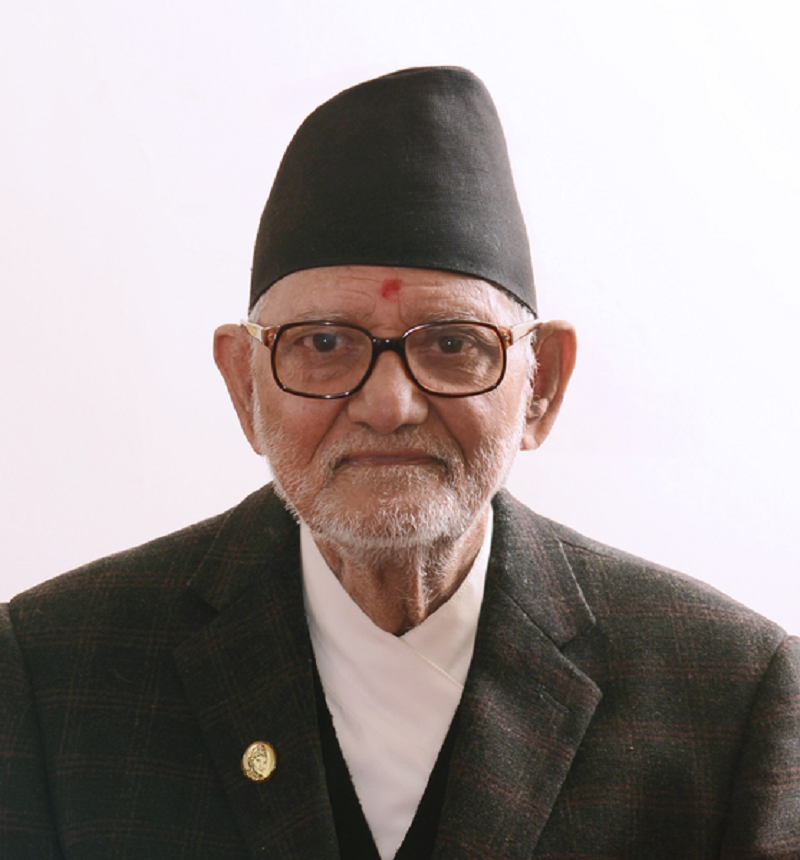
Sushil Koirala. File photo
Prime Minister: Sushil Koirala
Deputy Prime Minister & Home: Bamdev Gautam
Deputy Prime Minister & Local Development: Prakash Man Singh
Finance: Ram Sharan Mahat
Physical Infrastructure & Transport: Bimalendra Nidhi
Law, Justice, Constituent Assembly & Parliamentary Affairs: Narhari Acharya
Forest & Soil Conservation: Mahesh Acharya
Education: Chitralekha Yadav
Information & Communication: Dr. Minendra Rijal
Energy: Radha Gyawali
Irrigation: Narayan Khadka
Urban Development: Narayan Prakash Saud
Foreign Affairs: Mahendra Bahadur Pandey
Health: Khagaraj Adhikari
Culture, Tourism & Civil Aviation: Bhim Prasad Acharya
General Administration: Lal Babu Pandit
Land Reform: Dal Bahadur Rana
Industry: Karan Bahadur Thapa
Agriculture: Hariprasad Parajuli
Youth & Sports: Purushottam Paudel
Commerce & Supply: Sunil Bahadur Thapa
Women & Social Welfare: Neelam KC (Khadka)
In addition, state ministers such as Tek Bahadur Gurung and Giri Bahadur KC, among others, also served in subordinate executive roles and may fall within the commission’s broader investigation into public officeholders during this administration.
Who were the members of KP Sharma Oli’s Cabinet (2015–2016) that may come under investigation?
The asset investigation commission is expected to review individuals who held executive authority during KP Sharma Oli’s first premiership from 2015 to 2016, a period marked by post-earthquake reconstruction challenges and constitutional implementation.
The cabinet included the following key officeholders:
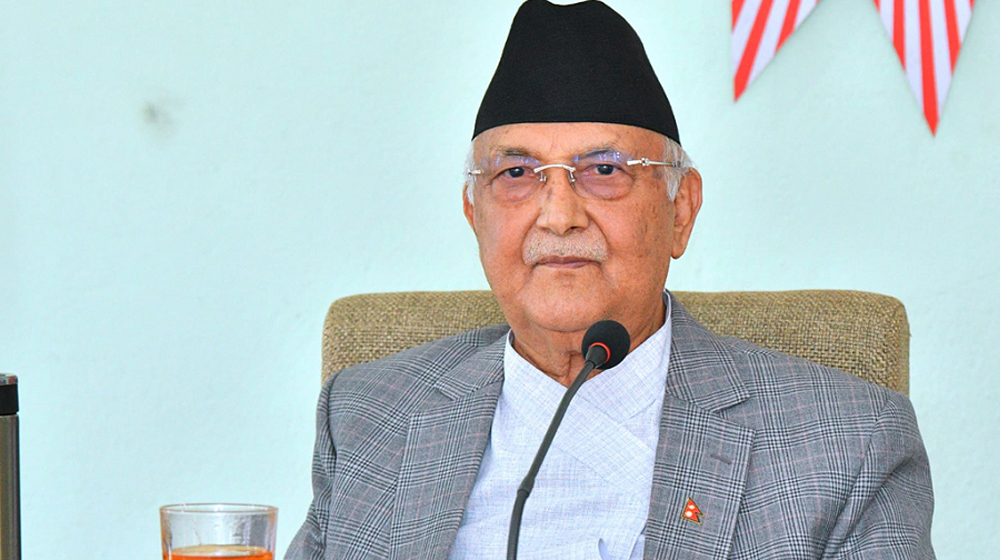
KP Sharma Oli. File photo
Prime Minister: KP Sharma Oli
Deputy Prime Minister & Physical Infrastructure: Bijay Kumar Gachhadar
Deputy Prime Minister & Foreign Affairs: Kamal Thapa
Deputy Prime Minister & Energy: Top Bahadur Rayamajhi
Deputy Prime Minister & Defense: Bhim Bahadur Rawal
Deputy Prime Minister & Women/Children: CP Mainali
Deputy Prime Minister & Cooperatives: Chitra Bahadur KC
Finance: Bishnu Prasad Paudel
Education: Giriraj Mani Pokharel
Forest & Environment: Agni Prasad Sapkota
Home Affairs: Shakti Bahadur Basnet
Peace & Reconstruction: Eknath Dhakal
Law & Justice: Agni Prasad Kharel
Industry: Som Prasad Pandey
Youth & Sports: Satya Narayan Mandal
Agriculture: Haribol Gajurel
Land Reform: Ram Kumar Subba
Health: Ram Janam Chaudhary
General Administration: Rekha Sharma
Commerce: Ganeshman Pun
Irrigation: Umesh Yadav
Information & Communication Technology: Sher Dhan Rai
Livestock Development: Shanta Manavi
Science & Environment: Bishendra Paswan
Tourism: Anand Prasad Pokharel
In addition, state ministers including Meghraj Nepali, Mo. Mustak Alam, Shiva Lal Thapa, Bikram Thapa, Kunti Kumari Shahi, Dinesh Chandra Yadav, Damodar Bhandari, Bal Bahadur Mahat, Nar Devi Pun and Manju Kumari Chaudhary also served in subordinate executive positions and may fall within the commission’s broader scope of investigation into public officeholders during this administration.
Who were the members of Pushpa Kamal Dahal (Prachanda)’s Cabinet (2016–2017) that may come under investigation, and what roles did they hold?
The asset investigation commission is expected to review individuals who exercised executive authority during Pushpa Kamal Dahal (Prachanda)’s premiership from 2016 to 2017, a coalition government formed after a political transition agreement with major parties.
The cabinet included the following key officeholders:
Prime Minister: Pushpa Kamal Dahal (Prachanda)
Deputy Prime Minister & Home: Bimalendra Nidhi
Deputy Prime Minister & Finance: Krishna Bahadur Mahara
Urban Development: Arjun Narasingh KC
Physical Infrastructure: Ramesh Lekhak
Energy: Janardan Sharma
Foreign Affairs: Dr. Prakash Sharan Mahat
Defense: Bal Krishna Khand
Supply: Deepak Bohara
Labor: Surya Man Gurung
Agriculture: Daljit Sripaili
Youth & Sports: Vikram Pandey
Land Reform: Chandra Deo Joshi
Population & Environment: Hitraj Pandey
Federal Affairs: Hit Bahadur Tamang
Information: Surendra Kumar Karki (Ram Karki)
Education: Dhaniram Paudel
Law & Justice: Ajay Shankar Nayak
General Administration: Keshav Kumar Budhathoki
Commerce: Romi Gauchan Thakali
Peace & Reconstruction: Sita Devi Yadav
Tourism: Jeevan Bahadur Shahi
Industry: Navindra Raj Joshi
Forest: Shankar Bhandari
Health: Gagan Thapa
Cooperatives: Hridaya Ram Thani
Irrigation: Dipak Giri
In addition, state ministers including Shri Prasad Jabegu, Satya Narayan Bhagat, Radhika Tamang, Dhan Maya BK, Dirgha Raj Bhat, Sita Ram Mehta, Tara Man Gurung, Surendra Raj Acharya, Subarna Jwarachhan, Indra Bahadur Baniya, Dilip Khawas Gachhadar, Deepak Khadka, Kanchan Chandra Bade, Mithu Malla also served in subordinate executive roles and may fall within the commission’s broader scope of investigation into public officeholders during this administration.
Who were the members of Sher Bahadur Deuba’s Cabinet (2017–2018) that may come under investigation, and what roles did they hold?
The asset investigation commission is expected to review individuals who held executive authority during Sher Bahadur Deuba’s premiership from 2017 to 2018, a coalition government formed in the final phase of political transition and federal implementation.
The cabinet included the following key officeholders:
Prime Minister: Sher Bahadur Deuba
Deputy Prime Minister & Local Development: Bijay Kumar Gachhadar
Deputy Prime Minister & Energy: Kamal Thapa
Deputy Prime Minister: Krishna Bahadur Mahara
Deputy Prime Minister & Education: Gopal Man Shrestha
Finance: Gyanendra Bahadur Karki
Labor: Farmullah Mansur
Health: Deepak Bohora
Industry: Sunil Bahadur Thapa
Supply: Jayant Chand
Forest: Bikram Pandey
Urban Development: Dilnath Giri
Tourism: Jitendra Narayan Dev
Land Reform: Gopal Dahit
Information: Mohan Bahadur Basnet
Agriculture: Ram Krishna Yadav
Water Supply: Mahendra Yadav
Cooperatives: Ambika Basnet
Infrastructure: Bir Bahadur Balayar
Commerce: Meen Bahadur Bishwakarma
Law & Justice: Yagya Bahadur Thapa
Defense: Bhimsen Das Pradhan
Irrigation: Sanjay Kumar Gautam
Youth & Sports: Rajendra KC
Environment: Mithila Chaudhary
Women & Social Welfare: Vikram Bahadur Thapa
In addition, several state ministers and ministers without portfolio also served during this administration, as recorded in the original cabinet structure, and may fall within the commission’s broader scope of investigation into public officeholders during this period.
Who were the members of KP Sharma Oli’s CPN majority government (2018–2021) that may come under investigation, and what roles did they hold?
The asset investigation commission is expected to review individuals who held executive authority during KP Sharma Oli’s second premiership (2018–2021), when the Nepal Communist Party (NCP) held a parliamentary majority and formed a powerful central government.
The cabinet included the following key officeholders:
Prime Minister: KP Sharma Oli
Deputy Prime Minister & Defense: Ishwar Pokharel
Home: Ram Bahadur Thapa (later Khagaraj Adhikari)
Foreign Affairs: Pradeep Kumar Gyawali
Energy, Water Resources & Irrigation: Barshaman Pun
Education, Science & Technology: Giriraj Mani Pokharel (later Krishna Gopal Shrestha)
Industry, Commerce & Supply: Lekhraj Bhatta (later Raj Kishor Yadav)
Physical Infrastructure & Transport: Raghubir Mahaseth (later Basanta Kumar Nembang)
Labor, Employment & Social Security: Gokarna Bista (later Bimal Prasad Shrivastava)
Forest & Environment: Shakti Bahadur Basnet (later Nar Dhoj Rana)
Federal Affairs & General Administration: Lal Babu Pandit (later Ganesh Kumar Pahadi)
Women, Children & Senior Citizens: Tham Maya Thapa (later Chanda Chaudhary)
Finance: Dr. Yuba Raj Khatiwada
Youth & Sports: Jagat Bahadur Sunar (Bishwakarma) (later Ekwal Miya)
Culture, Tourism & Civil Aviation: Rabindra Prasad Adhikari (later Uma Shankar Argariya)
Law, Justice & Parliamentary Affairs: Sher Bahadur Tamang (later Leelanath Shrestha)
Agriculture & Land Management: Chakrapani Khanal (later Laxman Lal Karna)
Water Supply: Bina Magar (later Anil Kumar Jha)
Health & Population: Padma Kumari Aryal
Communication & Information Technology: Gokul Prasad Baskota (later Nainkala Thapa)
Prime Minister’s Office (Minister): Mohan Kumar Baniya
In addition, state ministers such as Chandrakant Chaudhary (Energy), Renuka Gurung (Women), Asha Kumari BK (Forest) and others also served in subordinate executive roles and may fall within the commission’s broader investigation into public officeholders during this administration.
Who were the members of Sher Bahadur Deuba’s Cabinet (2021–2022) that may come under investigation, and what roles did they hold?
The asset investigation commission is expected to review individuals who held executive authority during Sher Bahadur Deuba’s premiership from 2021 to 2022, a coalition government formed after a Supreme Court order reinstated the House of Representatives.
The cabinet included the following key officeholders:
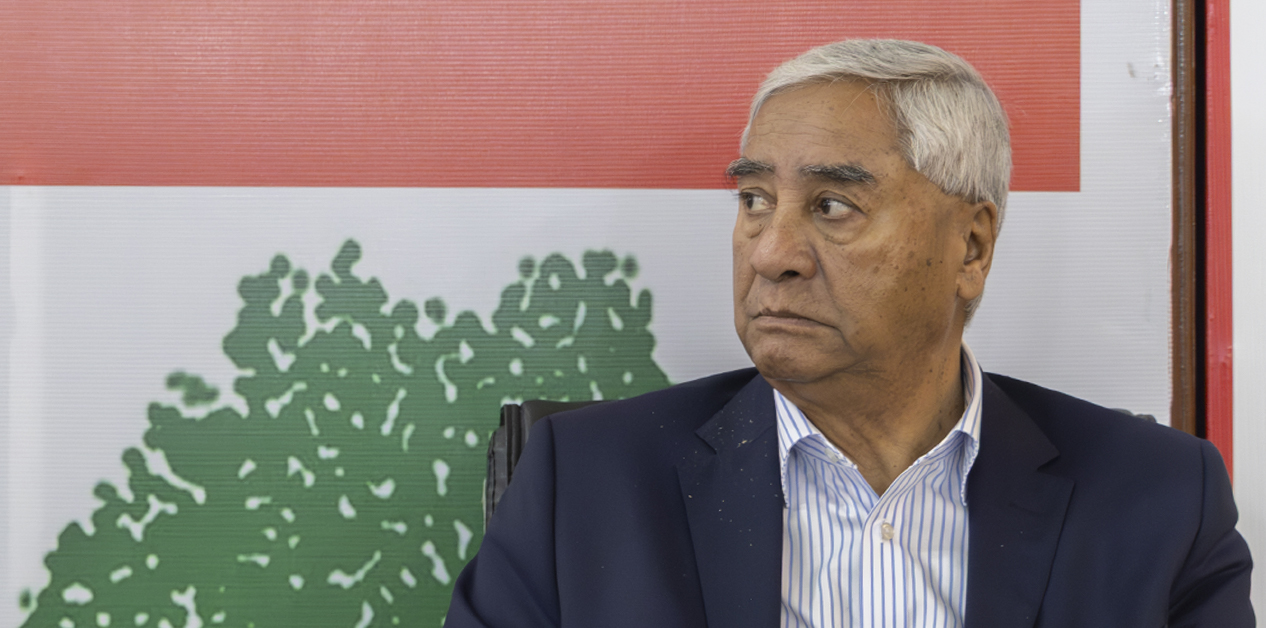
Sher Bahadur Deuba. File Photo
Prime Minister: Sher Bahadur Deuba
Home Affairs: Bal Krishna Khand
Communication & Information Technology: Gyanendra Bahadur Karki
Energy: Pampha Bhusal
Federal Affairs & General Administration: Rajendra Prasad Shrestha
Health: Birodh Khatiwada
Finance: Janardan Sharma
Defense: Minendra Rijal
Water Supply: Umakant Chaudhary
Foreign Affairs: Narayan Khadka
Physical Infrastructure: Renu Yadav
Tourism: Prem Ale
Law & Justice: Gyanendra Bahadur Karki
Education: Devendra Paudel
Agriculture: Mahendra Yadav
Women & Social Welfare: Uma Regmi
Land Management: Shashi Shrestha
Urban Development: Ram Kumari Jhakri
Industry: Gajendra Bahadur Hamal
Forest: Ram Sahaya Yadav
Labor: Krishna Kumar Shrestha
Youth & Sports: Maheshwar Jung Gahatraj
In addition, state ministers including Umesh Shrestha (Health) and Bhawani Prasad Khapung (Education) also served in subordinate executive roles and may fall within the commission’s broader scope of investigation into public officeholders during this administration.
Who were the members of Pushpa Kamal Dahal (Prachanda)’s Cabinet (2022–2024 coalition with UML, RSP, JSP) that may come under investigation, and what roles did they hold?
The asset investigation commission is expected to review individuals who held executive authority during Pushpa Kamal Dahal (Prachanda)’s premiership from 2022 to 2024, a coalition government formed with multiple parties including UML, RSP, and JSP.
The cabinet included the following key officeholders:
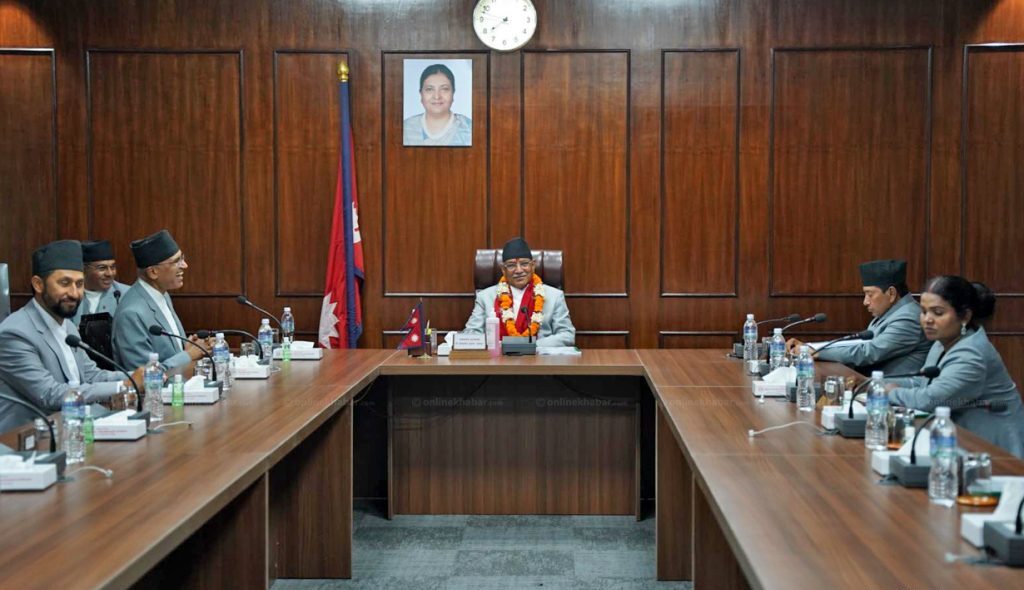
Pushpa Kamal Dahal (Prachanda)’s Cabinet. File Photo
Prime Minister: Pushpa Kamal Dahal (Prachanda)
Deputy Prime Minister & Physical Infrastructure: Raghubir Mahaseth
Deputy Prime Minister & Foreign Affairs: Narayan Kaji Shrestha
Deputy Prime Minister & Home: Rabi Lamichhane
Deputy Prime Minister & Health: Upendra Yadav
Deputy Prime Minister & Energy: Rajendra Lingden
Urban Development: Bikram Pandey
Law: Dhruva Bahadur Pradhan
Finance: Barshaman Pun
Energy: Shakti Bahadur Basnet
General Administration: Hit Bahadur Tamang
Tourism: Rekha Sharma
Information & Communication: Padam Giri
Law & Justice: Jwala Kumari Sah
Agriculture: Jwala Kumari Sah
Land Management: Balram Adhikari
Industry: Damodar Bhandari
Women & Children: Bhagwati Chaudhary
Water Supply: Rajendra Kumar Rai
Defense: Hariprasad Upreti
Urban Development: Dhan Bahadur Budha
Labor: Dol Prasad Aryal
Education: Sumana Shrestha
Youth & Sports: Biraj Bhakta Shrestha
Forest & Environment: Nawal Kishor Sah Sudi
In addition, state ministers such as Dipak Karki (Forest), Deepak Bahadur Singh (Energy & Water Resources) and Tosima Karki (Health) also served in subordinate executive roles.
These officeholders collectively exercised executive authority during the coalition period and may fall within the commission’s broader scope of investigation into public officeholders from the post-2006 transitional governance era.
Who were the members of Pushpa Kamal Dahal (Prachanda)’s coalition government (with Nepali Congress, JSP, etc.) that may come under investigation, and what roles did they hold?
The asset investigation commission is expected to review individuals who held executive authority during Pushpa Kamal Dahal (Prachanda)’s coalition government with Nepali Congress, JSP and other partners (post-2024 arrangement within the 2022–2024 political cycle), a multi-party power-sharing setup. The cabinet included the following key officeholders:
Prime Minister: Pushpa Kamal Dahal (Prachanda)
Deputy Prime Minister & Defense: Purna Bahadur Khadka
Deputy Prime Minister & Home: Narayan Kaji Shrestha
Agriculture & Livestock: Beduram Bhusal
Law, Justice & Parliamentary Affairs: Dhanraj Gurung
Education, Science & Technology: Ashok Kumar Rai
Labor, Employment & Social Security: Sharat Singh Bhandari
Finance: Prakash Sharan Mahat
Water Supply: Mahendra Rai Yadav
Energy, Water Resources & Irrigation: Shakti Bahadur Basnet
Foreign Affairs: Narayan Prakash Saud
Communication & Information Technology: Rekha Sharma
Health & Population: Mohan Bahadur Basnet
Culture, Tourism & Civil Aviation: Sudan Kirati
Physical Infrastructure & Transport: Prakash Jwala
Land Management, Cooperatives & Poverty Alleviation: Ranjita Shrestha
Industry, Commerce & Supply: Ramesh Rijal
Urban Development: Sita Gurung
Youth & Sports: Dig Bahadur Limbu
Women, Children & Senior Citizens: Surendra Raj Acharya
Forest & Environment: Veerendra Prasad Mahato
Federal Affairs & General Administration: Anita Devi
In addition, state ministers such as Sushila Sirpali Thakuri (Tourism) and Nanda Chapai (Physical Infrastructure) also served in subordinate executive roles and may fall within the commission’s broader scope of investigation into public officeholders during this coalition period.
Who were the members of the KP Sharma Oli–Nepali Congress Joint Government (2024–2025) that may come under investigation, and what roles did they hold?
The asset investigation commission is expected to review individuals who held executive authority during the KP Sharma Oli–Nepali Congress joint government formed in 2024, a coalition arrangement between the two major parties.
The cabinet included the following key officeholders:
Prime Minister: KP Sharma Oli
Deputy Prime Minister & Urban Development: Prakash Man Singh
Deputy Prime Minister & Finance: Bishnu Prasad Paudel
Communication & Information Technology: Prithvi Subba Gurung
Home Affairs: Ramesh Lekhak
Foreign Affairs: Arzu Rana Deuba
Physical Infrastructure & Transport: Devendra Dahal
Labor & Employment: Sharat Singh Bhandari
Women & Children: Nawal Kishor Sah Sudi
Land Management & Cooperatives: Balram Adhikari
Industry, Commerce & Supply: Damodar Bhandari
Youth & Sports: Tejulal Chaudhary
Water Supply: Pradip Yadav
Health: Pradip Paudel
Law, Justice & Parliamentary Affairs: Ajay Chaurasia
Tourism: Badri Prasad Pandey
Agriculture: Ramnath Adhikari
Education, Science & Technology: Bidya Bhattarai (later replacement as Raghuj Panta)
Defense: Manbir Rai
Energy, Water Resources & Irrigation: Deepak Khadka
Federal Affairs & General Administration: Rajkumar Gupta
Forest & Environment: Ain Bahadur Shahi Thakuri
This cabinet, formed through a major coalition between Nepali Congress and CPN-UML, is also expected to fall within the commission’s broader investigation into public officeholders who exercised executive authority during the post-2006 transitional and federal republican period.
Who are the key officeholders included in the scope of accountability or scrutiny under the Sushila Karki-led interim government?
The Sushila Karki-led interim government formed on September 12, 2025, consisted of a small technocratic cabinet headed by Prime Minister Sushila Karki, with portfolios distributed across key governance sectors. Those included in the government’s administrative and accountability structure are:
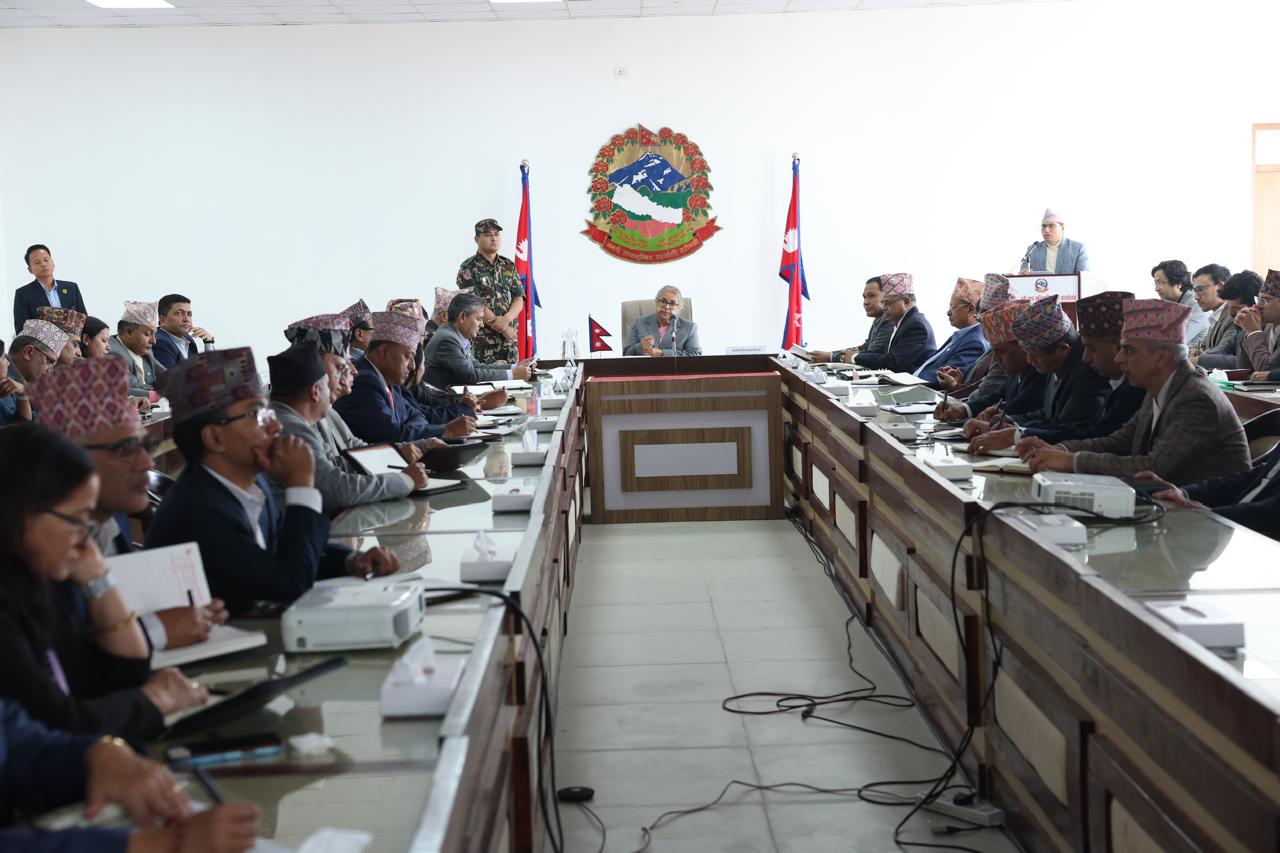
Sushila Karki-led interim government. File photo
Prime Minister: Sushila Karki
Finance & General Administration: Rameshore Prasad Khanal
Energy, Physical Infrastructure & Urban Development: Kulman Ghising
Home Affairs: Om Prakash Aryal
Industry, Law & Tourism: Anil Kumar Sinha
Education: Mahabir Pun
Agriculture: Madan Prasad Pariyar
Communication & Information Technology: Jagdish Kharel
Health: Sudha Gautam
Youth & Sports: Bablu Gupta
Land Management: Kumar Ingnam
Labor: Rajendra Singh Bhandari
Forest: Madhav Prasad Chaulagai
Women & Children: Shraddha Shrestha
Foreign Affairs: Bal Anand Sharma
This interim cabinet is structured as a streamlined executive body focusing on administrative stabilization and sectoral governance following political transition. Each minister oversees core state functions while collectively forming the executive authority under the interim arrangement led by the Prime Minister.
Who are the members and portfolio holders in the Balen Shah-led cabinet, including key ministries?
The Balen Shah-led cabinet outlines a team of ministers assigned across major governance sectors under a centralized executive structure headed by the Prime Minister.

Cabinet meeting/file photo
Prime Minister & Defense/Industry: Balen Shah
Finance: Swarnim Wagle
Home: Sudhan Gurung
Foreign Affairs: Shishir Khanal
Physical Infrastructure & Urban Development: Sunil Lamsal
Energy, Water Resources & Irrigation: Biraj Bhakta Shrestha
Tourism & Culture: Khadak Paudel (Ganesh)
Education, Science & Technology & Youth & Sports: Sasmita Pokhrel
Health, Population & Water Supply: Nisha Mehta
Communication & IT: Dr. Bikram Timsina
Land Management, Cooperatives, Federal Affairs & General Administration: Pratibha Rawal
Law, Justice & Parliamentary Affairs: Sobita Gautam
Agriculture, Livestock & Forest: Geeta Chaudhary
Labor & Employment: Deepak Sah (sacked)
Women, Children & Senior Citizens: Sita Badi
Industry, Commerce & Supply: Gauri Kumari Yadav
Labor, Employment & Social Security (replacement): Ramji Yadav
Who is chairperson Rajendra Kumar Bhandari, and what is his track record?
Rajendra Kumar Bhandari is a retired Justice of the Supreme Court, known for his long tenure on the bench and his involvement in several high-stakes constitutional cases. His selection as chairperson is intended to lend the commission an air of judicial gravity and impartiality. Bhandari has a reputation for being a meticulous jurist, having served on benches that handled sensitive human rights and civil liberty issues.
He is perhaps most famous—or infamous, depending on the perspective—for chairing the 2008 commission that investigated the abduction and murder of businessman Ram Hari Shrestha by Maoist cadres inside a cantonment. That investigation was seen as a litmus test for the rule of law during the peace process.
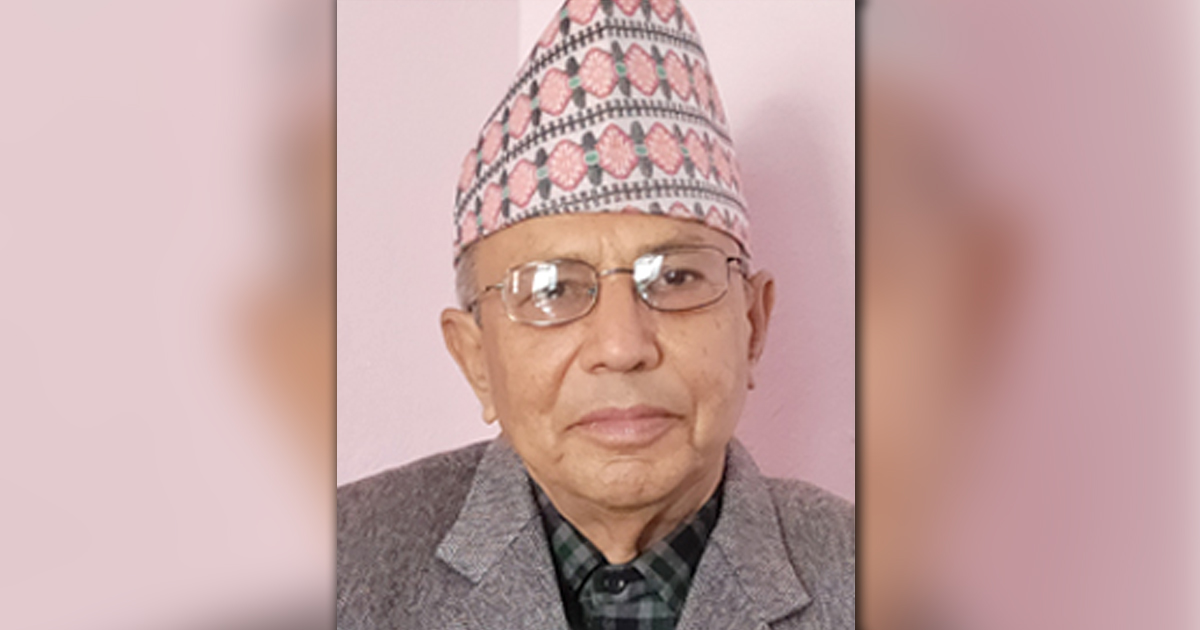
Rajendra Kumar Bhandari is a retired Justice of the Supreme Court. File photo
While Bhandari’s 2008 commission successfully named four Maoist commanders as being responsible for the crime, the eventual legal outcome was widely perceived as a failure.
Only one low-level individual was convicted, while the high-ranking commanders evaded justice due to the political protection of the then-powerful Maoist party. This history casts a long shadow over his current appointment.
Supporters point to his courage in naming the perpetrators at a time of great physical risk as a sign of his integrity.
Conversely, skeptics argue that his career reflects a pattern of “establishment-aligned” work: producing accurate reports that are technically sound but fail to lead to systemic change because they lack the “teeth” or the political follow-through to challenge the ruling elite.
His leadership will determine whether this 2026 probe becomes a genuine instrument of justice or a repeat of the 2008 stalemate.
The judicial backbone of the commission is rounded out by Purushottam Parajuli and Chandiraj Dhakal, both retired judges with significant experience in Nepal’s lower and appellate court systems.
Purushottam Parajuli is often described as a “judge’s judge”—a career jurist with a relatively low public profile and no major history of political controversy. His inclusion is viewed as a move to ensure that the commission’s investigative methods adhere strictly to the rules of evidence. Because the commission’s final report must stand up to scrutiny in the Special Court, Parajuli’s expertise in evaluating the “admissibility” of financial records and witness testimony is considered a vital safeguard against procedural dismissals later in the legal process.
In contrast, the appointment of Chandiraj Dhakal has been more controversial. Dhakal is a retired judge of the Special Court, the specific body that handles corruption cases in Nepal. While he brings deep “insider” knowledge of how corruption trials function, his past rulings have come under the microscope.
Specifically, in 2018, Dhakal was part of a bench that acquitted 33 defendants in a high-profile corruption case, a decision that led to public outcry and accusations of judicial leniency toward the well-connected.
While there is no evidence of personal wrongdoing on his part, his presence on the commission has led some activists to worry that the body may lean toward “containment” rather than “aggressive prosecution.”
The mix of these two judges suggests a commission that is legally robust but perhaps more traditional and conservative in its approach to “justice” than the radical Gen Z protest originally demanded.
Ganesh KC is a retired Deputy Inspector General (DIG) of the Nepal Police, and he brings the “boots on the ground” investigative experience that the commission requires. Unlike the judicial members who evaluate evidence, KC is expected to lead the process of gathering it.
His background in the Nepal Police means he is familiar with the methods used by officials to launder money, use front-men (proxies), and move assets through informal “hundi” channels. In theory, a retired high-ranking police officer is essential for a commission that intends to do more than just read bank statements; they need someone who knows how to conduct interviews and trace physical assets.
However, the controversy surrounding KC is purely political. Shortly after his retirement from the police force, KC publicly joined the Rastriya Prajatantra Party (RPP), a right-wing political organization that advocates for the restoration of the monarchy and a Hindu state.
This explicit partisan affiliation is highly unusual for a member of a “neutral” high-level commission. Opposition parties, particularly the Nepali Congress, have seized on this to claim that the commission is “politically stacked.” They argue that an active member of a political party cannot impartially investigate members of rival parties.
While the RPP is currently in a complex relationship with the RSP government, critics fear that KC’s presence turns the commission into a tool for political vendettas rather than a neutral pursuit of accountability. His appointment highlights the lack of strict “independence” criteria in Nepal’s Commission of Inquiry Act.
Prakash Lamsal is arguably the most important member of the commission regarding its technical success. As a Chartered Accountant (CA) with a background in forensic auditing, he is the only member who is not a product of the traditional judicial or security establishment.
His role is to provide the “financial forensic” capability that has been missing from almost every previous asset probe in Nepal’s history. While judges can interpret the law and police can interview suspects, neither is typically trained to untangle complex webs of shell companies, offshore accounts, or the “benami” (proxy) property holdings that characterize the wealth of Nepal’s elite.
Lamsal’s task is to build a “financial profile” for each subject. This involves looking at a politician’s declared salary and then comparing it to their lifestyle, their children’s foreign education costs, their shareholdings in private hospitals or schools, and the property registered in the names of their distant relatives or domestic staff.
In past probes, like the 2001 Bhairav Prasad Lamsal Commission, investigators were often overwhelmed by the sheer volume of paper records and the lack of digital tools to track money.
Prakash Lamsal represents the “modernization” of the probe. If he is given full access to the banking system’s “Know Your Customer” (KYC) data and the authority to demand records from the private sector, he could turn vague suspicions of corruption into hard, mathematical evidence. His independence—having no known political ties—makes him a crucial figure for the commission’s credibility.
Nepal has a long and often frustrating history with “Commissions of Inquiry.” Since the restoration of democracy in 1990, the government has formed dozens of such bodies, leading to a cynical public perception that a commission is simply a way for the government to “buy time” and let public anger cool down.
The most direct ancestor to the current probe is the 2001 Lamsal Commission, headed by Justice Bhairav Prasad Lamsal. That commission was tasked with a nearly identical mandate: investigating the assets of everyone who held public office since 1990. It was a massive undertaking that lasted nearly two years and resulted in a report that recommended the investigation of over 600 high-profile individuals, including former ministers and judges.
The fate of the 2001 Lamsal Commission serves as a cautionary tale. The report was submitted to the then King Gyanendra Shah in 2003 but was never fully made public. Instead of leading to a “clean sweep” of the political system, the findings were used selectively.
The CIAA picked a few “low-hanging fruit” cases to prosecute—most notably against ministers like Khum Bahadur Khadka and Govinda Raj Joshi—but the vast majority of the 600 names faced no consequences. The report became a political weapon used to threaten rivals rather than a tool for systemic reform.
Justice Bhairav Prasad Lamsal died in 2021, still expressing his frustration that his life’s work had been largely ignored by successive governments. The 2026 Bhandari Commission is being watched specifically to see if it can break this cycle of “report and bury.”
The Commission for the Investigation of Abuse of Authority (CIAA) is Nepal’s constitutionally mandated anti-corruption body, yet the need for a “special” commission in 2026 is an indictment of the CIAA’s failure.
In its early years (roughly 2002–2006), the CIAA showed significant promise under the leadership of Surya Nath Upadhyay. During this “Golden Age,” the CIAA conducted high-profile raids and successfully prosecuted several powerful ministers.
It used Section 20 of the Prevention of Corruption Act, which places the “burden of proof” on the official to explain how they acquired wealth that exceeds their known income.
However, after 2006, the CIAA became increasingly “politicized.” For several years, the government refused to appoint commissioners, leaving the agency toothless. When appointments were finally made, they were often based on “political quotas,” where each major party got to “pick their own” commissioner.
This led to a period of “mutual non-aggression,” where the CIAA focused almost exclusively on low-level civil servants—teachers, junior clerks, and local health workers—while ignoring the massive corruption at the ministerial level.
The most damaging period was the tenure of Lokman Singh Karki (2013–2017), who was accused of using the CIAA as a personal tool for extortion and political revenge until the Supreme Court disqualified him.
Between 2017 and 2025, the CIAA filed hundreds of cases, but less than 5% involved “illegal wealth acquisition” by high-ranking politicians. The new commission is essentially a “workaround” designed to do the job the CIAA has failed to do for two decades.
The historical record of implementation is dismal. In Nepal, “Commission” has almost become a synonym for “Delay.” Beyond the 2001 Lamsal Commission, other famous examples include the Mallik Commission (1990) and the Rayamajhi Commission (2006), both of which were formed to investigate state-sponsored violence and the suppression of pro-democracy movements.
Both commissions produced detailed reports naming specific individuals—ministers, police chiefs, and bureaucrats—who should be prosecuted or barred from public office. In both instances, the reports were largely ignored by the very governments that commissioned them. Political “compromise” always took precedence over “accountability.”
The primary reason for this failure is the lack of a legal “trigger” mechanism. Under the Commissions of Inquiry Act, the government is not legally required to implement the recommendations; it is only required to “consider” them. This allows the Cabinet to pick and choose which parts of a report to act on.
For asset investigations, the process is even more complex because a commission’s report is not “evidence” in a court of law. It is merely a “lead.” To get a conviction, the CIAA must start the investigation from scratch using the commission’s report as a map. This “double-work” creates years of delays.
For example, the case against former minister Govinda Raj Joshi, which started from the Lamsal Commission’s leads in 2003, did not reach a final Supreme Court verdict for nearly 20 years. This history of “justice delayed is justice denied” is the biggest hurdle facing the 2026 Bhandari Commission.
The 2026 commission exists in a state of “functional tension” with the CIAA. On one hand, the government has positioned the commission as an elite, fast-track body that can bypass the CIAA’s perceived lethargy and political entanglements.
By housing the commission under the Prime Minister’s Office, the Shah administration is trying to show that it is taking “direct responsibility” for the probe. On the other hand, the commission has no legal authority to file cases in court.
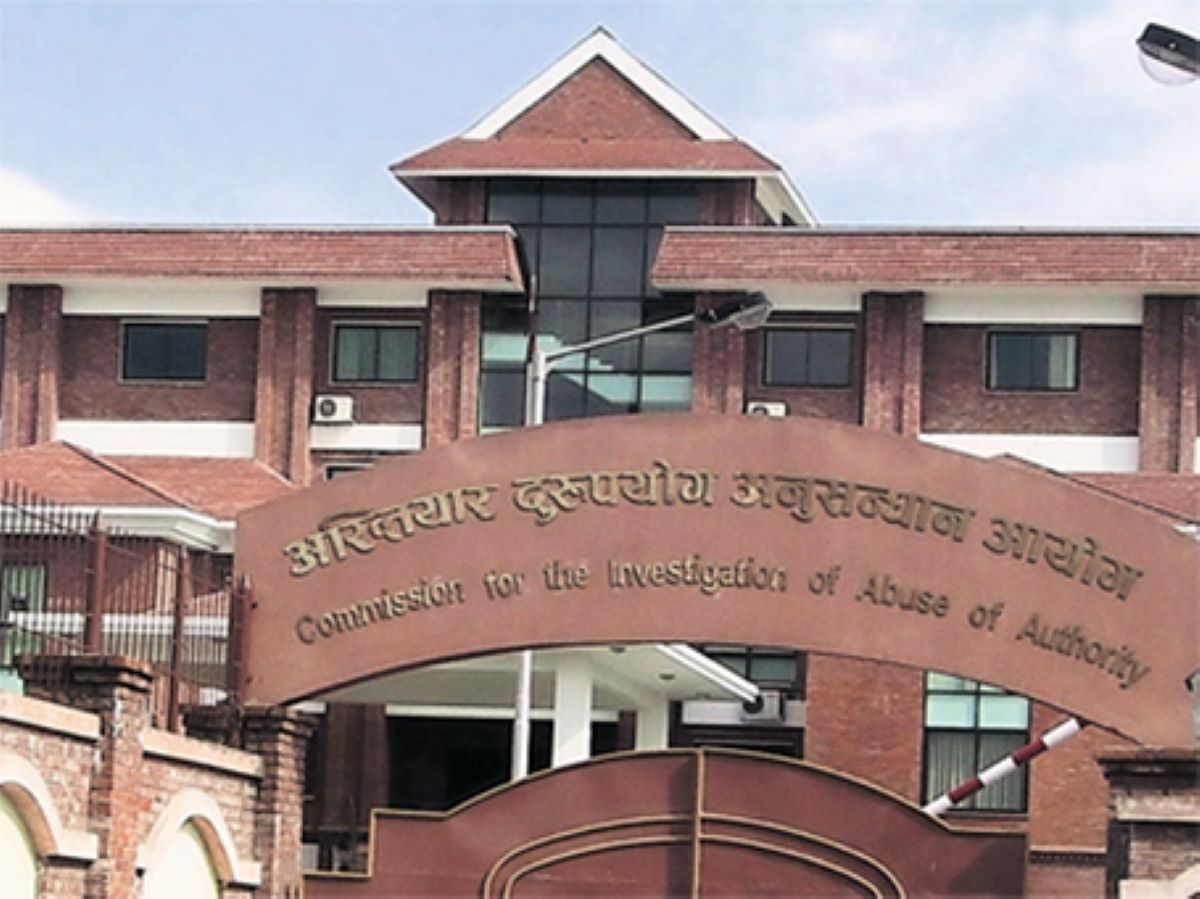
CIAA. File photo
Once Justice Bhandari and his team finish their work, they must hand their files over to the CIAA. The CIAA then has the constitutional “monopoly” on filing corruption cases in the Special Court.
This creates a high-stakes “relay race.” If the commission produces high-quality, forensic evidence of wealth, the CIAA will be under immense public pressure to file charges. However, if the CIAA remains staffed by appointees from the “old guard” parties (NC, UML, Nepali Communist Party), there is a significant risk that they will find “procedural errors” in the commission’s work as an excuse to drop the cases.
To mitigate this, the RSP government has signaled that it may seek to reform the CIAA’s leadership or pass new legislation to allow the commission’s findings to be used more directly in court.
For now, the relationship is one of “uneasy cooperation,” with the commission acting as the “private investigator” and the CIAA acting as the “reluctant prosecutor.”
The credibility of any investigative body rests on its perceived independence, and the Bhandari Commission faces several “perceptual” conflicts.
First is the “Institutional Insider” problem: four out of the five members (Bhandari, Parajuli, Dhakal, and KC) spent their entire careers within the very judiciary and police systems that allowed corruption to flourish for the last 20 years.
Critics argue that these men are products of the “Old Nepal” and may be hesitant to burn bridges with the networks they once served. There is no representation from “Civil Society,” no international anti-corruption experts, and no representation from the youth movements that actually brought the RSP to power.
The second conflict is the “Partisan Affiliation” of Ganesh KC. As an active member of the RPP, his role in investigating rival politicians is inherently conflicted. Even if he acts with total integrity, any finding against a member of the Nepali Congress or UML will be dismissed by the opposition as “politically motivated.”
Finally, there is the “Past Performance” conflict regarding Chandiraj Dhakal. His history of acquitting corruption defendants in the Special Court creates a “trust deficit” among anti-graft activists.
These conflicts have led many analysts to describe the commission as a “managed” or “controlled” accountability mechanism—one designed to satisfy the public’s thirst for justice without actually dismantling the underlying structures of power that many of these members are still connected to.
The choice of 2006 as the starting point is both legally logical and politically strategic. Legally, 2006 marks the “New Beginning” for Nepal; it is the year the Comprehensive Peace Accord was signed, the monarchy was sidelined, and the Interim Constitution was adopted. It is the era of the “Federal Democratic Republic of Nepal.”
Proponents of the date argue that it is the most relevant period because the current political class—including the “Big Three” parties—has had total control over the state’s resources since then. Records from this era are also much easier to trace because of the gradual digitization of land and bank records that began in the late 2000s.
Politically, however, the date is a “scalpel” aimed at the RSP’s rivals. The period from 2006 to 2026 is exactly when the Nepali Congress, CPN-UML, and the Maoists rotated through power in various coalitions. By focusing on this window, the RSP is essentially putting the entire history of its rivals on trial.
Meanwhile, the “Phase 2” deferment—which would cover the 1991–2005 period—conveniently pushes back the investigation into the “founding fathers” of the 1990 movement, many of whom are now retired or have less direct influence. The opposition has labeled this “Selective Justice,” arguing that if the government were truly serious, it would start from 1990 or even earlier.
The government’s counter-argument is that “perfection is the enemy of the good” and that starting with the most recent and relevant data is the only way to get results within their five-year term.
The 2026 Asset Commission is the “signature dish” of the Gen Z protest’s political menu. To understand the commission, one must understand the “2025 Uprising.”
Unlike previous movements in Nepal, which were led by organized political parties for “regime change,” the 2025 movement was a decentralized, social-media-driven revolt against “corruption as a lifestyle.”

A gathering of youth at New Baneshwor in the midst of the Gen Z protest. Bikram Rai/Nepal News
It was fueled by young Nepalis who were tired of seeing their parents’ taxes vanish while they were forced to migrate to the Gulf countries for work. When Balen Shah and the RSP won, they did so on a “contract” with this generation: “You give us power, and we will put the corrupt in jail.”
The commission is the primary tool to fulfill that contract. For the Gen Z base, this isn’t just about money; it’s about “Elite Impunity.” They want to see the “Untouchables”—the prime ministers and party bosses—actually sit in a room and explain where their mansions and foreign bank accounts came from.
If the commission succeeds, it will validate the RSP’s “New Politics.” If it fails, or if it turns out to be a “sham” that protects certain leaders while attacking others, it could lead to a second, more radical wave of protests.
The commission is essentially carrying the weight of the entire movement’s expectations; it is the “litmus test” for whether “New Nepal” is a reality or just a rebranding.
The response has been a mix of “cautious support” and “sharp skepticism.” The main opposition parties, the Nepali Congress and CPN-UML, find themselves in a difficult position. They cannot openly oppose an anti-corruption probe without looking guilty, so they have adopted a strategy of “qualified criticism.”
They have questioned the commission’s independence, pointed out the conflicts of interest (especially Ganesh KC), and demanded that the probe be expanded to include the “Panchayat era” and the early 1990s.
Their goal is to “broaden the scope” so much that the commission becomes overwhelmed and fails to produce any specific results against current leaders.
Civil society groups and anti-corruption activists have been more supportive but remain wary. They have issued a list of demands for the commission: that its proceedings be transparent, that it hold public hearings, and—most importantly—that the government commit to making the final report public immediately upon submission.
There is a strong “Never Forget” sentiment regarding the 2001 Lamsal report; activists are demanding that the 2026 commission not be allowed to “disappear” into the Prime Minister’s desk.
The public, meanwhile, is in a “wait and see” mode. There is a palpable sense of excitement that “something is finally happening,” but it is tempered by decades of disappointment with similar promises.
Asset investigations in Nepal typically fail due to a “Triple Threat” of technical, legal, and political hurdles. Technically, Nepal has a massive “informal economy.” Much of the wealth of the elite is not in bank accounts; it is in “land” registered under the names of “front-men” (drivers, distant cousins, or business partners), or it is kept in cash and gold. Tracing this requires a level of forensic expertise that most Nepali investigators simply don’t have.
Legally, the “burden of proof” is high. Even though the law says officials must explain “unnatural wealth,” defense lawyers are very good at creating “plausible stories”—claiming the money came from “agricultural income,” “ancestral property,” or “gifts from well-wishers.”
The political hurdle is the most significant. In the “old” coalition system, parties needed each other to survive. If a NC leader was investigated, the NC would threaten to pull out of the coalition unless the UML or Maoist partners stopped the probe. This “Mutual Protection Pact” ensured that no high-level leader was ever truly “sacrificed.”
Furthermore, the “bureaucratic-political nexus” is deep. Senior bureaucrats often act as the “accountants” for political corruption; if a politician is investigated, the bureaucrat might also go down, so the entire system works together to hide the evidence. Breaking this “conspiracy of silence” is the biggest challenge for any new commission.
History offers two possible scenarios for the Bhandari Commission. The “Optimistic Scenario” is that the commission, backed by the RSP’s strong political will and the CA’s forensic skills, produces a “shattering” report that names 50–100 top-tier officials with undeniable evidence of wealth.
The sheer public pressure forces the CIAA to file cases, and the Special Court—aware that the eyes of the “Gen Z protest” are on them—expedites the trials. This would lead to the first-ever jail time for a former Prime Minister in Nepal and trigger a “systemic cleansing” of the state.
The “Skeptical Scenario” (and the one backed by historical precedent) is that the commission gets bogged down in “procedural warfare.” The opposition parties file Supreme Court petitions to stop the probe; the bureaucracy refuses to share certain files citing “national security” or “privacy”; and the commission members themselves begin to disagree.
Eventually, a “compromise” report is submitted that names a few “corrupt” lower-level officials but “clears” the top leaders due to “insufficient evidence.” The report is then sent to the CIAA, where it sits for five years until the next election.
Given the RSP’s “outsider” status and the intense public demand, the commission might achieve more than its predecessors, but a “total victory” against corruption remains statistically unlikely in the short term.
For the Bhandari Commission to be different, it must adopt a “Radical Transparency” model. First, it should hold Public Hearings. Instead of investigating behind closed doors, it should summon high-level officials to testify in public (or televised) sessions, forcing them to explain their assets in the court of public opinion.
Second, it needs International Cooperation. Much of Nepal’s “stolen wealth” is believed to be in foreign jurisdictions like Dubai, Singapore, or the UK. The commission should work with groups like the “Stolen Asset Recovery Initiative” (StAR) to track foreign holdings.
Third, the government must pass an “Emergency Accountability Act” that gives the commission’s findings “prima facie” status in court, reducing the time the CIAA needs to re-investigate.
Fourth, there must be Whistleblower Protection. The commission should offer immunity or reduced sentences to mid-level “fixers” and bureaucrats who are willing to “turn” on their political masters and provide the “smoking gun” evidence. Finally, the “Phase 2” probe into the 1991–2005 period should be launched immediately, not deferred, to prove that this is a “national audit” and not a “political purge.” Without these “teeth,” the commission risks becoming just another expensive footnote in Nepal’s long history of unimplemented reform.