Kathmandu
Monday, July 20, 2026





“Women are not leaving Nepal simply because they want to. They are leaving because decent jobs, fair wages, and dignified working conditions remain out of reach. The solution is not more restrictions on migration but more opportunities at home.”

KATHMANDU: The number of Nepali women pursuing foreign employment has increased significantly over the past five years. The share of women in total labor permits rose from 6.87% in the fiscal year 2020/21 to 11.25% in the fiscal year 2024/25.
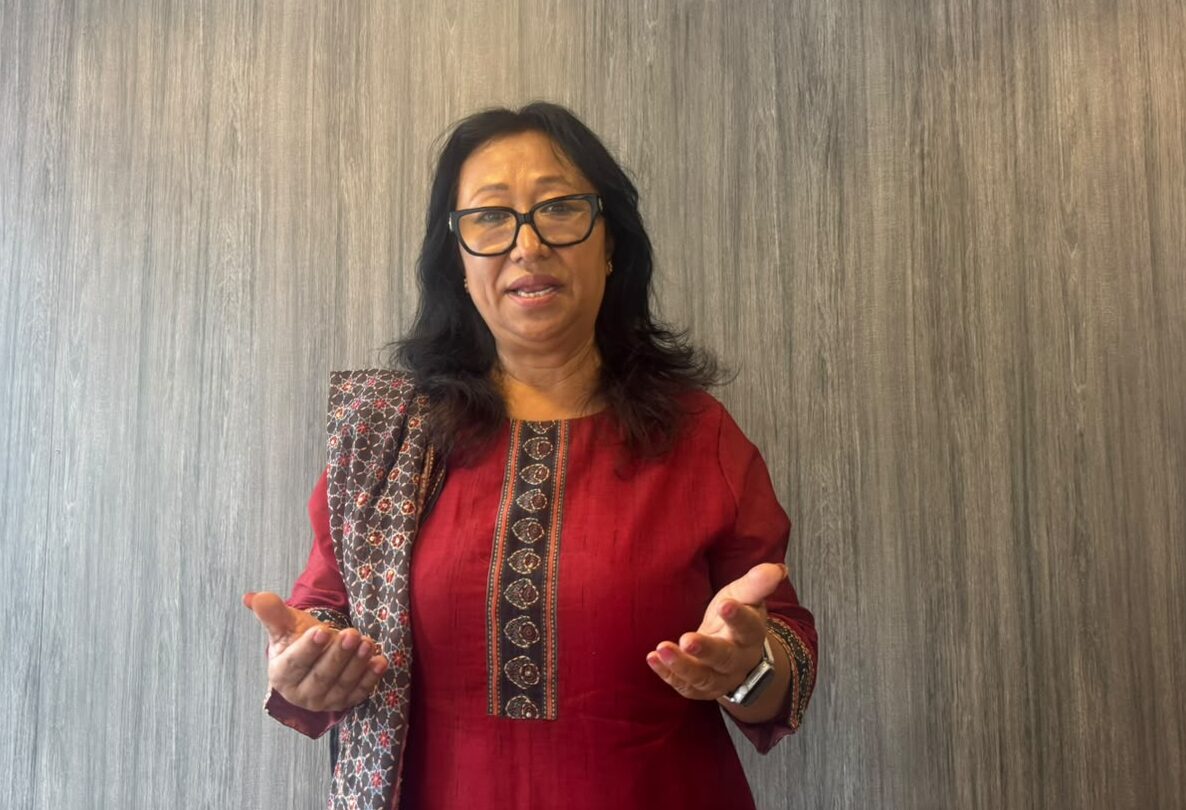
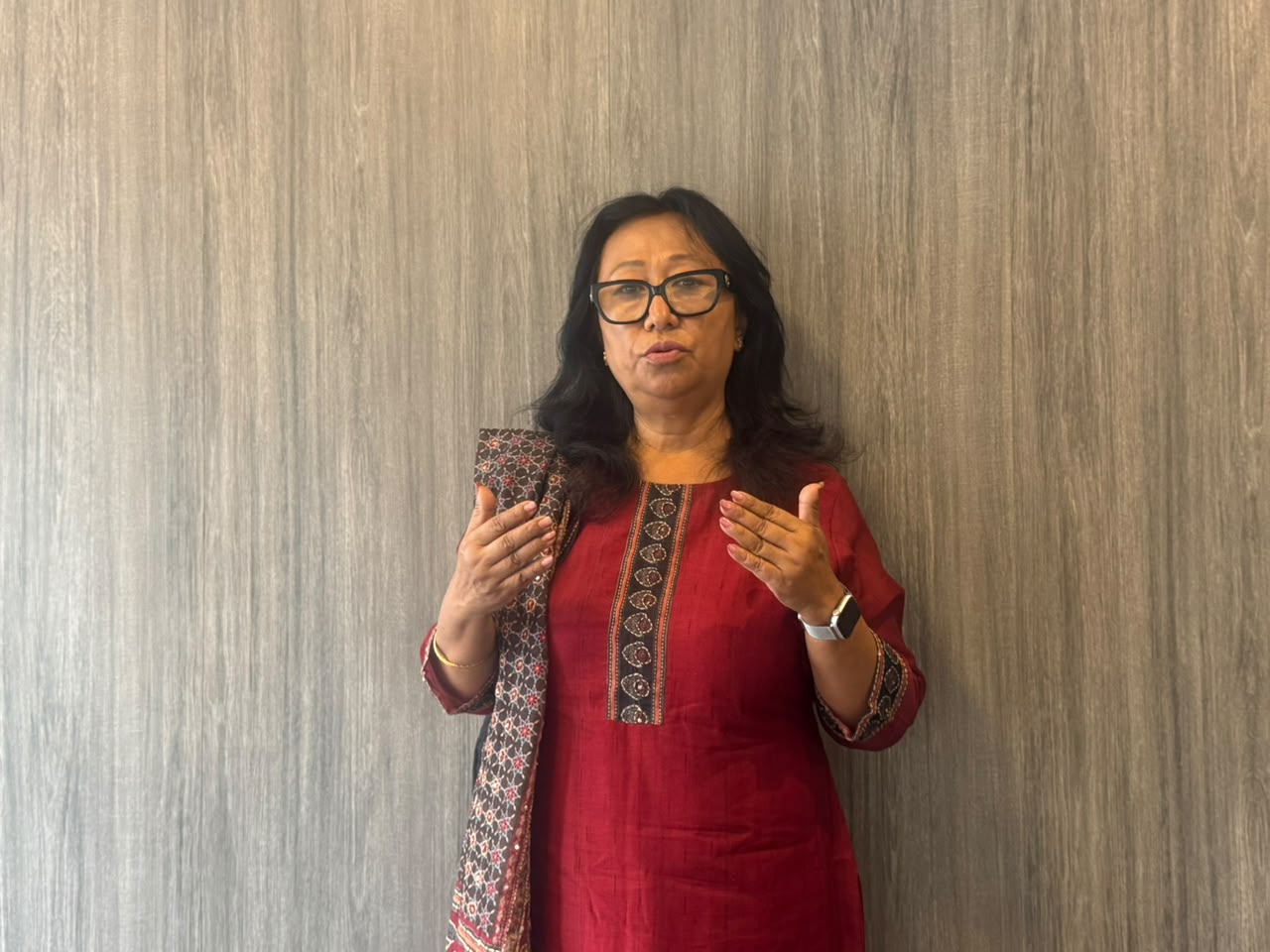
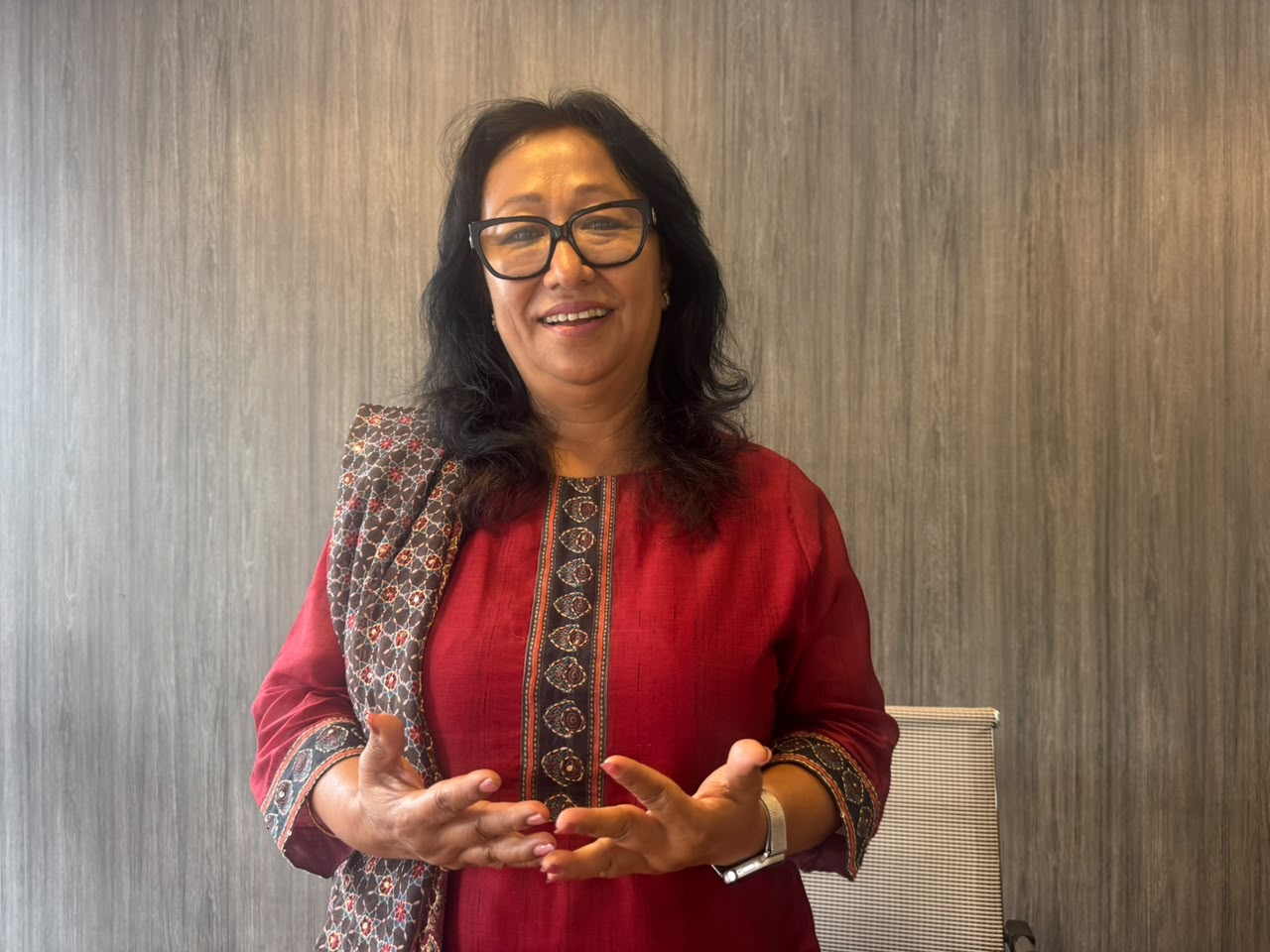
However, the growing labor migration of women is not merely an expansion of opportunities; it is also a story of vulnerabilities created by the lack of decent employment at home, low wages, and restrictions on domestic labor. In this context, here is an edited excerpt of a conversation between migration expert Sharu Joshi and Bidhya Rai:
Has the attraction of women toward foreign employment increased lately?
In pursuit of employment, Nepalis have reached 178 countries across the world so far. If we look at the government’s official statistics, women account for about 13% of the total Nepalis who have gone for foreign employment.
However, official government data does not reflect how many women are going for foreign employment through informal channels. The Nepal Living Standards Survey conducted in 2010 had already shown that women’s contribution to total remittances was 11%. Over the past 16 years, the number of women and their share in the remittances sent home have certainly increased.
A tragic policy history is also linked to women’s foreign employment. Nearly 29 years ago, a Nepali woman who went to Kuwait as a domestic worker faced severe exploitation and torture by her employer and later died. Following that incident, around 1997/98, the government imposed a total ban on women going abroad as domestic workers. That ban still persists today in various forms.
Yet, the ban did not stop women from going abroad. Instead, women began seeking new sectors to work in foreign countries. Their presence has expanded from domestic work into institutional employment, care services, hospitality, manufacturing, and other sectors.
Why are women choosing foreign employment?
One reason is evident from the statistics themselves. Labor surveys from 1998, 2008, and 2017 showed that the burden of domestic work on women was 72%, 72%, and 66% higher than that on men, respectively. In the 2022 survey as well, the workload of women was found to be 6% higher compared to men.
While staying in their own country, women are entangled even further in a web of excessive work. Most of the domestic and care labor they perform is not economically valued.
The government has fixed a minimum wage, but many women do not even receive that amount. Even if they do, it does not cover basic necessities. Therefore, unable to find decent employment and good income opportunities within the country, women are going abroad.
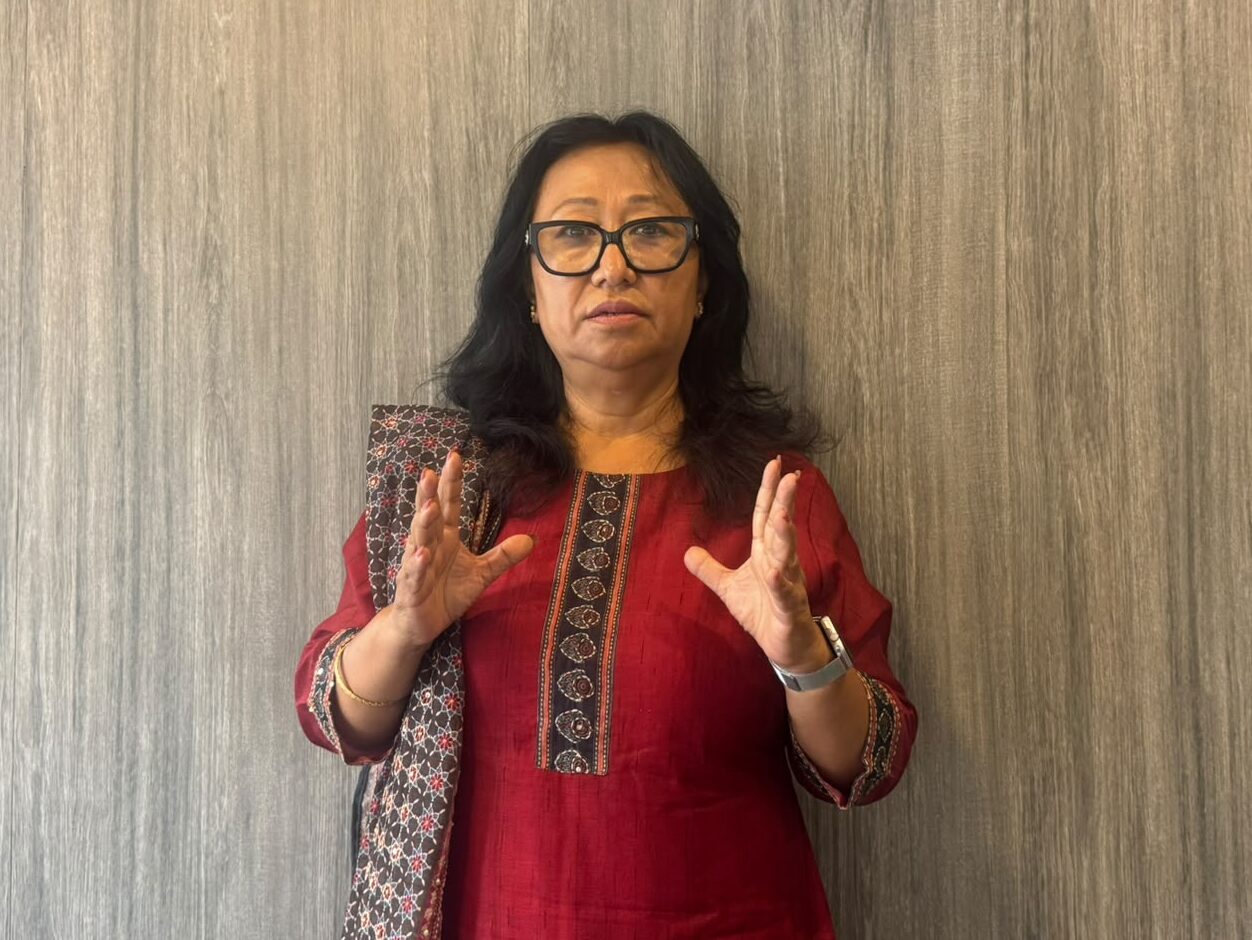
Many women I have spoken with have told me, “If the government guarantees employment with a monthly income of Rs 25,000, we would stay within the country.”
Compulsion is one reason. However, everyone also has a desire to go abroad, gain new experiences, and seek better opportunities. It is only natural to wish to go after seeing neighbors or relatives migrate.
What positive impacts has women’s foreign employment brought about?
The labor market for women has broadened. They have found new alternatives for opportunities and have started earning independently. The presence of women, previously confined to domestic chores, is increasing in institutional employment. This has boosted their morale and self-confidence.
The labor destinations for women, which were previously centered around Gulf countries, have now expanded to Israel, Cyprus, Croatia, Japan, and other European nations. Even within South Asia, Nepali women are working in the Maldives and India.
It has been found that Nepali women workers are highly valued in the Maldives. In a study we conducted in 2009, we discovered that Nepali women laborers received higher remuneration than local women there.
Alongside financial independence, the social empowerment of women has also increased. With their own earnings, they have educated their children, repaid debts, purchased land, and built houses. Their role in the family decision-making process has also grown.
How can the skills of women returning from abroad be utilized in Nepal?
Some women who have returned after working abroad have engaged in self-employment based on the skills they learned. While some have started enterprises and businesses, others have become involved in social campaigns or politics.
Some women who returned after working in caregiving roles in Israel are making and selling sanitary pads. Since the population of senior citizens is increasing in Nepal as well, the potential for a care economy is growing.
The government must create opportunities in Nepal’s own care and caregiving labor market for women returning from countries like Israel. They should be provided with training, subsidized loans, and the necessary support to start businesses.
Information regarding such opportunities must reach the workers from all 77 districts who have returned from Israel. They should get the chance to utilize the skills learned abroad in the domestic care sector to become self-employed.
Are there negative impacts of women’s foreign employment as well?
Particularly for women who have gone into domestic labor through informal channels, returning to the country becomes difficult. They are also deprived of the services and benefits provided by the government.
Another serious aspect is connected to families and children. When parents go abroad, children might face situations where they lack the necessary love, care, and emotional support.
When the mother is not at home, her role is usually taken over by the eldest daughter or son. A situation arises where a 13-year-old daughter has to manage household affairs like a 20-year-old person. In this way, children lose their childhood.
This affects their mental, physical, social, educational, and personality development. The self-confidence that develops in children when raised with the love and presence of their parents can weaken. They can also fall into child marriage, drug abuse, and other social risks.
The Foreign Employment Board is supposed to continuously oversee these issues, but the required promptness has not been seen.
The primary concern right now is not just that ‘parenting’ is disappearing. It is also whether we are inadvertently raising a generation of emotionally weak and fragile youth.
When we conducted a study in some government schools across four provinces, we observed situations where children whose parents had gone abroad suffered from a lack of personal hygiene, had untidy clothes, sat passively on the back benches of classrooms, and even fell asleep in class due to exhaustion from household chores.
In Morang, a situation was also found where a boy did not receive adequate love and care because his father remarried after his mother went abroad. Feeling humiliated in the village after a minor mistake, that boy later died by suicide.
Such incidents cannot be linked to a single cause. However, the state and the community must remain vigilant that the absence of guardians, poor care, and social humiliation can severely impact children’s mental well-being.
There is also an allegation that households break down after women go for foreign employment, isn’t there?
This is actually a problem of mindset. We have grown up in a society holding traditional values that dictate mothers and sisters should not step outside the threshold of the house. This conventional and misogynistic mindset is gradually changing.
Some 15 to 20 years ago, it was difficult to communicate regularly with family members who had gone abroad. Even if contact was made, it was very infrequent. Nowadays, almost everyone has a smartphone, and access to the internet has increased. Regular communication has helped strengthen relationships.
In some instances, the role of the media has also created problems. In the past, even mainstream media used to convey negative messages and mock women by drawing misogynistic cartoons regarding their departure for foreign employment.
Mainstream media have corrected themselves to some extent. However, currently, certain YouTubers create cheap content with sensationalized titles like “caught red-handed” to harass women.
Couples and families have begun to understand such motives. Through regular contact, trust, and the sharing of responsibilities, they are keeping their relationships strong.
The conclusion that a woman going abroad is the sole reason for a household breaking down is flawed. Family problems are tied more to communication, trust, responsibility, and relationship management rather than the migration of a man or a woman.
Why are you continuously advocating that the ban on women going for domestic labor should be lifted?
First of all, the Constitution has established the right to employment and the right to choose a profession. Yet, a ban has been placed on women going abroad as domestic workers for more than two decades.
The ban has helped middlemen thrive. Women are forced to undertake extremely risky journeys to reach foreign destinations. The hardest hit by this are women from remote areas.
The government does not possess official data on women who go through informal channels. In times of distress, they are excluded from rescue operations, relief, insurance, compensation, and legal protection.
Recently, during the conflict situation in Iran, the government formed a rapid rescue team and took action. Attempts were also made to validate the status of some undocumented Nepalis by sorting out their paperwork.
However, women who had gone into the banned domestic labor sector were left out of the government’s plans. In this manner, women are continuously excluded from decent foreign employment and state protection.
Since the implementation of federalism, the number of women leaders has increased from the central to the local levels. However, that has not resolved the problems of women in foreign employment. This is extreme discrimination.
The mindset that considers domestic labor as the lowest form of work is also wrong. All labor must be respected. The goal should be to make the work decent and safe, not to stop women who wish to go for work.
Nepali embassies must regularly inquire about the condition of their citizens. For that, the government must provide embassies with sufficient resources, manpower, and authority.
We have elected representatives and mothers’ groups in every ward. They can maintain records of who has gone from the ward, to which country, and for what kind of employment. They can also keep understanding what conveniences or difficulties the workers are facing abroad.
Preventing them from going at all is not the solution. The government must learn from past incidents that doing so only increases the risks further.
What must the government do to ensure safe and systematic foreign employment for women?
There is no straight and simple answer to this question. Rather than encouraging women to go for foreign employment, the government must possess a clear mission and vision to create decent work opportunities within the country.
If 700,000 to 800,000 Nepalis have to leave the country annually for employment, the question arises as to what the purpose of living and paying taxes in the country is.
There must also be a sharing of household chores. Today’s women are not in the mindset to drag through life dragging the entire burden of all household chores alone like before. They want to earn an income. If they do not find opportunities, they will go abroad even by taking risks.
To make it safe and dignified, the Parliament’s Labor and International Relations Committee must take the initiative to remove the ban imposed by previous governments on women entering domestic labor.
Nepali embassies in countries where domestic workers go must conduct effective labor diplomacy. A dignified working environment for domestic labor, written contracts, remuneration, leave, insurance, rescue, and legal remedies must be ensured.
Initially, a safe environment for entering domestic labor legally must be created. This is exactly what we suggested when the Labor Minister called a meeting with migration experts. He must coordinate with the relevant committee of the Parliament to review the ban as soon as possible.
What can Nepal learn from the labor policies of other countries?
In the Asian region, the practice of the Philippines is commendable. It accords high value to its citizens going for foreign employment. It refers to them as “Nation Builders” and “Our Heroes.”
In our country, however, citizens in foreign employment are viewed merely as a class that sends remittances. Insufficient attention is paid to their rights, security, families, and civic dignity.
Nepal has announced that it will grant voting rights to workers abroad. Until the political rights of migrant workers are ensured, it will remain difficult for them to attain the status of respected citizens.
The government seems to have set a goal of maintaining good governance. Along with that, existing mechanisms must be reformed to focus on employment-centric work.
Nepali citizens have reached 178 countries for employment, but Nepal’s embassies and consular offices are present in only 44 countries. Does it mean that Nepalis working in the remaining countries do not need consular services? Doesn’t the government need to look after them?
The government must build alternative mechanisms to serve workers in countries where there are no embassies.
What should women going for foreign employment pay attention to themselves?
They must proceed after understanding which country and sector offer career development opportunities, what the security mechanism is like, whether a Nepali embassy or consular service is available, and what skills should be learned to secure better remuneration.
Legal channels, written contracts, insurance, the employer’s address, and emergency contacts must be ensured. One should not rely solely on the verbal assurances of middlemen.
Married individuals and those with children must think seriously about what the condition of their children will be in their absence. Raising children without a mother or a father can lead to many problems.
Currently, it appears that both men and women easily leave their children behind to go abroad. That is not appropriate. As far as possible, at least one responsible guardian must stay with the children.
However, all responsibility cannot be dumped solely on women. Families, communities, local governments, and the state must also play a role in the care and protection of the workers’ children.
What should the further creative role of the current government look like?
The general public expects the current government to arrange internal employment immediately. The government must establish an effective mechanism to promote internal employment.
The government’s working style and technical efficiency must be enhanced. The morale of the people must be raised. Women, sexual and gender minorities, and persons with disabilities must receive equal opportunities in employment.
Every citizen must also develop the habit of managing their own expenses. During a visit to Australia a while ago, I spoke with a 13-year-old girl. She was the daughter of an affluent family.
She had received an opportunity from her school to go to Italy. However, her parents told her to arrange the money for the phone and personal expenses required for the trip herself. By working two hours a day, she managed the necessary money for the phone and pocket expenses on her own.
In this manner, children should be habituated from an early age to respect labor, earn an income, and become self-reliant. This helps reduce the situation where the entire burden of earning an income in the family falls solely on women.
Which sectors hold immediate potential for creating employment within the country?
A commercial farming campaign must be run at the public level. It is said that about 35% of the land across the country remains fallow. By utilizing it, production and employment can be created.
In Thailand and the Philippines, income is generated by making and branding various products from mangoes. Mango chocolates, dried fruits, jellies, and other items are produced. We can also learn such practices to add value to local products.
In Nepal, programs for startups, collateral-free loans, and subsidized schemes are scattered. It would be effective if they were channeled through a single-window system.
The current government must not repeat the mistake of previous governments that failed to show seriousness in addressing the problem of internal employment.
What is the basis for retaining workers who have returned from abroad within the country?
We talk about ideals and tell the youth not to go abroad, but we do not give them a basis to stay in the country.
During the COVID-19 pandemic, millions of Nepalis returned home. If the government had provided them with income-generating opportunities at that very time, many people could have settled within the country.
We had suggested to the government to provide employment to the returnees within the country by showing our study report. It was not that they were not looking for a basis to stay in Nepal.
At that time, we studied workers who had returned from eight countries. Many stated that they would work in Nepal if they received some support.
Particularly, those who returned from India mentioned that they would even do daily wage labor if the government provided it. Some said they had worked as security guards abroad and would do similar work if available in Nepal. Others expressed readiness to work as cooks.
Those who returned from countries other than India wished to do technology-based work.
Some Dalit women shared that they did not get work in others’ houses in Nepal simply because they were Dalits. Some complained that they received only Rs 8,000 a month despite working 12 hours a day in a coffee shop.
The government merely sat looking at the report. Neither the willpower nor the mechanism to retain the youth within the country was seen. Finding no opportunity to sustain themselves in the country, millions of workers went back abroad.
The mindset that employment means only an office job from 10 AM to 5 PM must change. Abroad, even individuals in professions like doctors are found driving Ubers or doing plumbing work outside office hours.
It is also not the case that nothing has happened here or that the youth have done nothing at all. There are examples of youth in Jhapa, Dhankuta, and Chitwan, who returned from abroad, earning hundreds of thousands of rupees by producing and selling milk, khuwa, and kurouni (condensed milk products).
To make such efforts more systematic and sustainable, the government must link them with markets, technology, finance, and training.
Over the past few months, I had the opportunity to mentor two groups of young women. Those women are facilitating the registration of internal domestic women workers in some local levels.
This campaign must be implemented by all local levels. Registration helps identify the status, problems, and needs of domestic workers. That, in turn, helps in planning and executing internal employment schemes.
The potential in Nepal is immense. The scarcity is not of potential, but of the willpower to work, clear policies, and effective mechanisms. The Ministry of Labor must coordinate with experts to perform tasks that directly benefit citizens and transform their daily lives.