Kathmandu
Friday, July 10, 2026





Construction leaders say removing bureaucratic hurdles, ensuring project sites are ready, reforming procurement rules, and maintaining regular dialogue with the private sector are essential to accelerating infrastructure development.
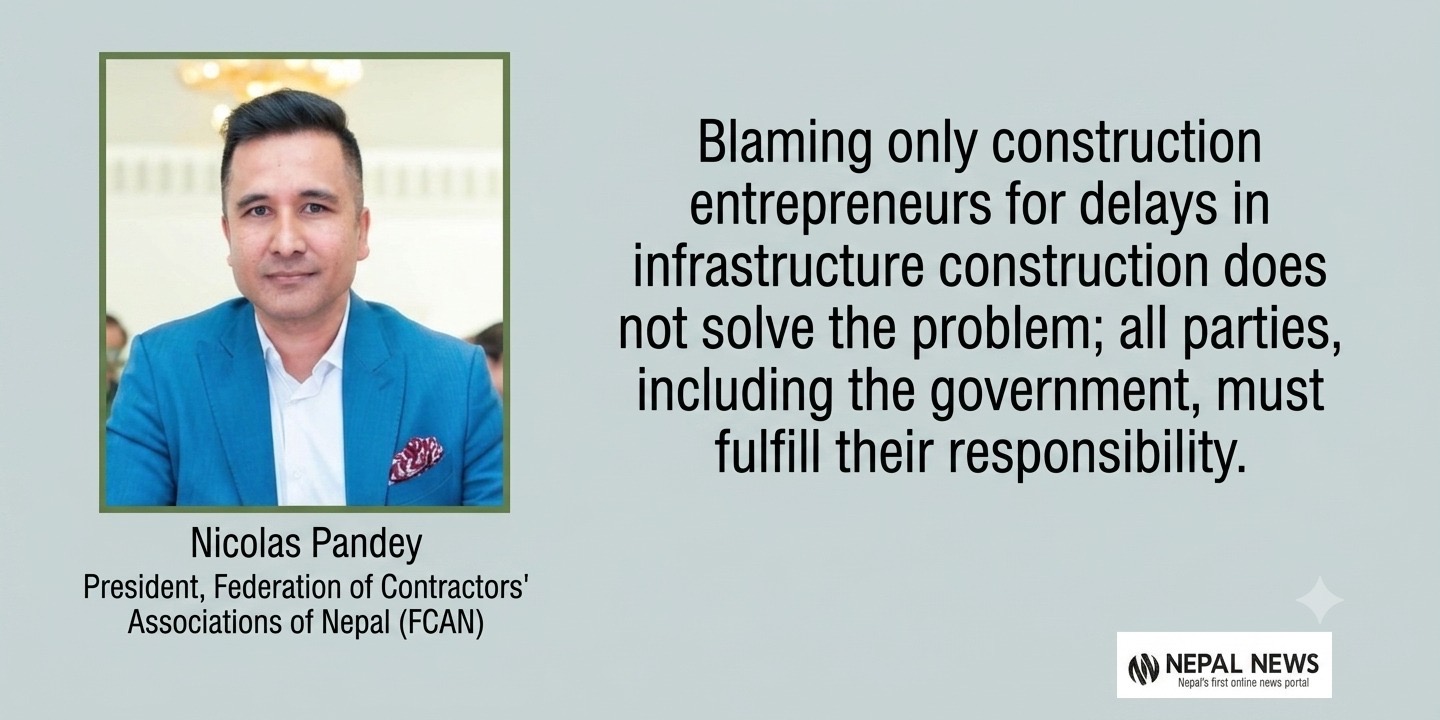
KATHMANDU: Construction is the primary sector where 60 to 70 percent of the state’s development budget is spent. However, for the past 30 years, a narrative has been built that solely blames construction entrepreneurs for the delays in infrastructure development.
If solving the problem were as simple as holding a single party guilty, it would have been resolved long ago. Work cannot progress unless all entities involved in construction fulfill their respective responsibilities.
One must also look into whether construction entrepreneurs have been given a conducive environment to work, whether the project site is ready, whether trees have been cleared, whether utility poles have been relocated, and whether land acquisition has been completed. Until these tasks are settled, it is unfair to place the entire blame for construction delays solely on the entrepreneurs.
Obstacles in the construction sector
Construction entrepreneurs have been facing various obstacles in the course of their work. We are optimistic that the Public Procurement Replacement Bill, which was recently passed with amendments by the National Assembly, will bring some ease.
It appears that this bill will resolve the issues of unhealthy competition and “low bidding” among construction entrepreneurs. The procurement law has also addressed problems that arise when trees are not cut, utility poles are not moved, and land acquisition is not completed.
On the other hand, there is a major problem with the availability of river-based construction materials such as stone, gravel, and sand. These materials must be used in necessary quantities when building roads, bridges, and other structures. However, citing environmental reasons, provisions have been made allowing excavation only in quantities far below what is required.
On paper, it specifies that limited quantities can be extracted, but in practice, this is not implemented effectively. Instead, a situation is created where sand, gravel, and stone must be purchased at much higher prices under the pretext that the materials are legally restricted. The extra money paid this way does not go into the state’s revenue; it reaches other unrelated individuals.
Just as Gulf countries have oil, Nepal has an abundance of mineral and river-based materials. Instead of keeping this as a massive bugbear, extracting and utilizing it in permissible quantities would bring all-around benefits to the state, construction entrepreneurs, and the general public.
By regulating this effectively, the state can collect revenue and construction materials will also become easily available. With proper regulation, exporting these materials to India and Bangladesh could bring substantial income into the country.
If human labor can be sent abroad, why can’t gravel and sand be exported? Rather, our view is that we should keep our workforce within the country, export gravel and sand, and let the nation achieve prosperity through it.
Infrastructure is the sector that a developing nation must prioritize first. Infrastructure development opens major doors for the development of other sectors.
Issues raised with the Prime Minister
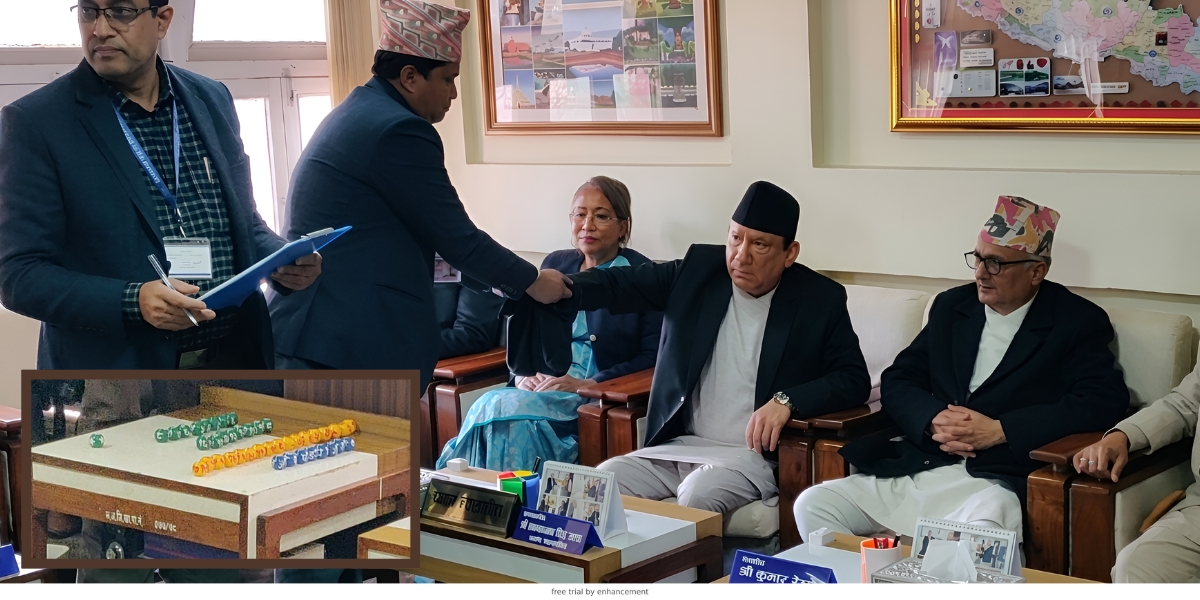
Construction entrepreneurs had the opportunity to meet with the Prime Minister on July 9. We presented to the Prime Minister that the narrative of blaming only entrepreneurs for construction delays must be dismantled, and that all parties must take responsibility.
During the meeting, we raised issues regarding the shortage of river-based construction materials, unhealthy competition, “low bidding,” the practice of tendering before the project site is ready, price hikes, extension of project deadlines, and corruption.
We also informed the Prime Minister about the excessive price hikes in petroleum products, bitumen, and other construction materials caused by the blockade in the Strait of Hormuz.
Due to inflation, construction entrepreneurs are in a position where they cannot execute work on time. Entrepreneurs have been hit hard because price adjustments have not been made. Our demand was that the government must clear such hurdles and bottlenecks.
To reduce corruption, we also suggested implementing online payments, online bidding, and contactless systems. Our view is that corruption can be minimized if arrangements are made to verify bills, approve them, and make payments without meeting people face-to-face.
We also expressed the view that corruption is not a choice for construction entrepreneurs but, in many cases, comes as a compulsion. We made it clear that we will fully support and cooperate with the government to end this.
The Prime Minister’s view and commitment
The Prime Minister calling construction entrepreneurs separately signals that the government is viewing this sector with priority. He stated that the construction sector is a major strategic partner and stakeholder of the government.
During the meeting, he mentioned that he is aware of the problems faced by construction entrepreneurs. However, he urged us not to merely discuss the problems but to also bring solutions.
He said, “Anyone can state the problems; bring the solutions along as well.”
From the beginning to the end of the meeting, the Prime Minister emphasized that corruption must be zero. He asked us for suggestions on what can be done to end corruption in the construction sector.
He stated that construction entrepreneurs must cooperate to end corruption, and committed that the government will provide as much support and facilitation as the cooperation it receives.
The Prime Minister listened intently to our suggestions regarding online payments, bidding, and contactless systems, and even took notes himself.
Regarding price hikes and deadline extensions, he mentioned that the new procurement law would provide some relief. He stated that the government would do its part and create an easy environment for capable entrepreneurs to work.
He also stated that even in cases where deadlines could not be extended due to various technical reasons, facilitation would be provided in one way or another. He reassured that support would be given to construction entrepreneurs to work and that necessary assistance from the government’s side would be provided.
The Prime Minister stated that the dialogue with the private sector would not be limited to a single meeting. He mentioned that a “task force” would be formed to listen to the private sector’s problems and find effective solutions.
Even if direct meetings with the Prime Minister are not always possible, we have received assurances that a contact mechanism will be created to meet with responsible officials of the secretariat at least once a month to exchange advice and suggestions.
Waiting for results
The government has completed its 100 days. The budget has arrived, the monetary policy has been made public, and policies and rules aimed at clearing hurdles have been improved. In such a scenario, it can be considered that the Prime Minister has taken the initiative to boost the morale of the economic players and the private sector.
It is a positive sign that the Prime Minister himself is moving toward solutions after listening to the work done by the government, the missing policies and provisions, and the problems faced by the private sector. The Prime Minister’s interest and activeness have encouraged construction entrepreneurs. However, this encouragement must translate into regular dialogue and effective problem-solving.
The problem of infrastructure construction cannot be solved by shifting the blame onto a single party. The government must remove procedural hurdles, construction entrepreneurs must fulfill their duties, and all related parties must become responsible. Only then can development and construction gain momentum.
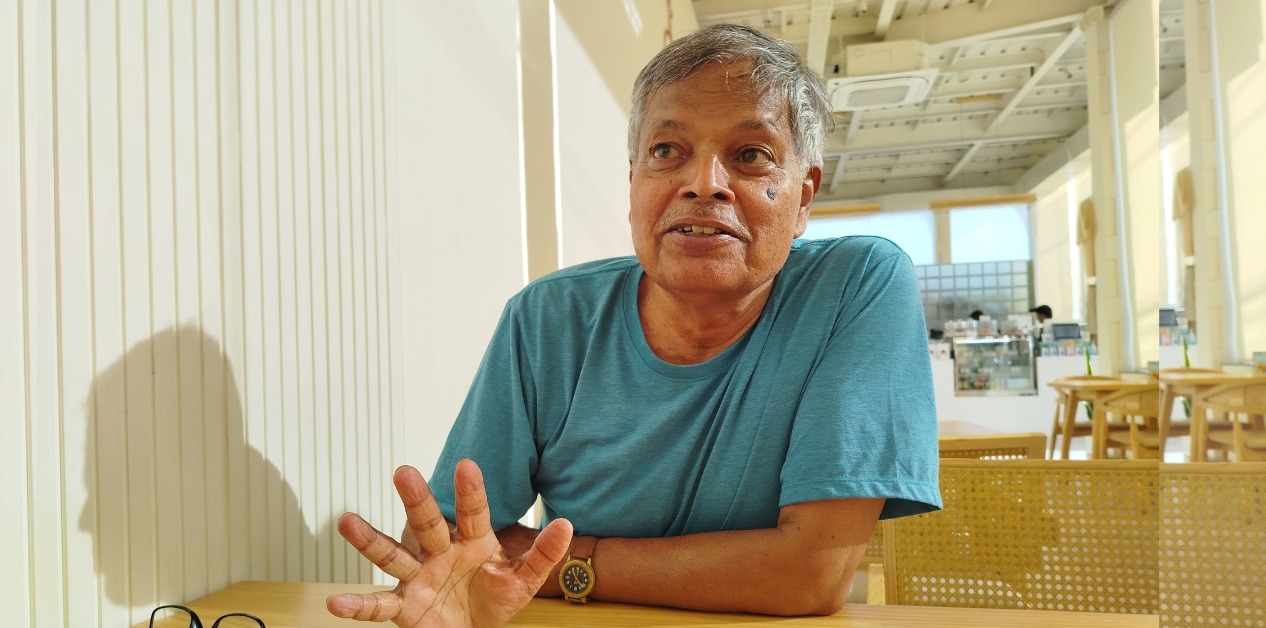
(Based on a conversation with Mr. Pandey, President of the Federation of Contractors’ Associations of Nepal, conducted by Shambhu Raj Regmi.)