Kathmandu
Monday, July 13, 2026





KATHMANDU: Nepali authorities have exposed one of the largest insurance frauds in the Himalayan trekking industry.
International insurers were allegedly defrauded of nearly USD 20 million (around Rs 2.85 billion) between 2022 and early 2026 through fake or unnecessary helicopter rescues of foreign trekkers, primarily on routes leading to Everest Base Camp.
The Central Investigation Bureau (CIB) of Nepal Police conducted a thorough probe and recommended charging 33 individuals, prominently including Rajendra Bahadur Singh, former managing director (or general manager) of Mountain Helicopters and former vice-president of the Airlines Operators Association, whom investigators identified as the mastermind.
However, the government attorney’s office filed the case on March 23, 2026 (and formally registered in court in April 2026) against only 32 people, granting Singh exemption.
Critics, including CIB officials, allege that key evidence was suppressed.
The original 1,243-page investigation report was significantly shortened to 748 pages, with important details and proofs reportedly removed.
Singh is said to be a relative of immediate past Labour Minister Rajendra Singh Bhandari, sparking widespread accusations of political interference and protection of influential figures.
CIB Chief AIG Dr. Manoj KC publicly stated that Singh was a key conspirator, yet the Attorney General’s office decided he was “not a beneficiary” based on the evidence presented to them.
This decision has drawn sharp criticism and raised serious questions about the integrity of the prosecution process.
On April 2, the bail hearing in Kathmandu District Court was completed. The prosecution has demanded confiscation of assets worth Rs 1.51 billion from the 32 accused.
Eleven people have already been arrested, including key figures such as Jayaram Rimal and Bibek Pandey from Mountain Rescue, Rabindra Adhikari and Bibekraj Thapaliya from Nepal Charter Service, Mukti Pandey and Subash KC from Everest Experience, hospital director Dr. Girbanraj Timilsina, and others like Pasang Sherpa, Sandeep Tiwari, and Khomraj Adhikari.
What is this Mount Everest insurance fraud scandal about?
The scandal revolves around a well-organized racket involving trekking agencies, helicopter companies, and certain hospitals that allegedly created or exaggerated medical emergencies during popular treks, especially around Everest Base Camp.
The goal was to trigger expensive helicopter evacuations that were fully covered by international travel insurance policies.
Instead of allowing trekkers to descend safely and gradually on foot when their condition permitted, operators often pushed for immediate airlifts. They then submitted forged flight records, fake hospital admission and discharge documents, inflated invoices, and manipulated medical reports to claim massive payouts from insurers based in the UK, Australia, and other countries.
File photo
Profits were reportedly distributed through a commission system, often ranging from 20 to 25 percent, shared among guides, helicopter operators, hospital staff, and middlemen. This not only defrauded insurance companies but also damaged Nepal’s hard-earned reputation as a premier adventure tourism destination.
The scheme exploited the remoteness of the Himalayas, where verifying claims from abroad is extremely challenging, allowing the fraud to persist for years.
Genuine rescues do occur in the mountains, but this racket mixed real operations with fabricated ones, making detection difficult until a detailed police investigation was launched following public complaints.
The exposure has already led to heightened scrutiny on the entire rescue ecosystem and may result in stricter regulations for the upcoming trekking seasons.
How did the alleged scheme operate?
The operation was multi-layered and sophisticated. On the mountain, trekking guides would sometimes exaggerate the risks of altitude sickness to anxious clients and strongly recommend immediate helicopter evacuation rather than a controlled, gradual descent, which is often safer and sufficient for mild cases.
In some isolated instances, methods to induce temporary symptoms — such as administering extra doses of altitude medication with excessive water or allegedly adding substances like baking soda to food or drinks — were reportedly used to create plausible medical urgency.
Once a trekker was evacuated, helicopter companies would fly the actual rescue but manipulate manifests and bill insurers separately for each passenger, even on shared flights, at full individual rates.
Hospitals allegedly contributed by producing fabricated records, including fake admission notes, discharge summaries with forged signatures, unnecessary laboratory test results, and even unrelated or old medical images to support the claims.
These documents were then forwarded to international insurers for reimbursement. The entire chain relied on coordination among trekking agencies, helicopter firms, and medical facilities, with commissions flowing back to sustain the network.
The remote high-altitude environment made independent verification nearly impossible for foreign insurers, who had to rely on local paperwork.
This systemic manipulation turned legitimate rescue capabilities into a profit-driven enterprise, ultimately costing millions while undermining trust in Nepal’s tourism infrastructure.
Investigators uncovered patterns spanning multiple companies and years, highlighting how the lack of real-time oversight enabled the scheme to flourish.
Were tourists actually being poisoned by guides?
Early media coverage sensationalized reports of “poisoning,” stemming from isolated incidents where substances like baking soda or similar agents were allegedly mixed into meals or drinks to mimic symptoms of altitude sickness or gastrointestinal distress.
These stories quickly spread and created a dramatic narrative. However, the CIB’s detailed investigation and the resulting 748-page charge sheet do not treat deliberate toxic poisoning as a systematic or central element of the fraud.
Instead, the official case focuses primarily on document forgery, unnecessary evacuations, inflated billing, and organized financial manipulation.
While some tactics may have caused temporary discomfort to make emergencies appear more convincing, there is no broad evidence presented of widespread, intentional poisoning campaigns using harmful toxins.
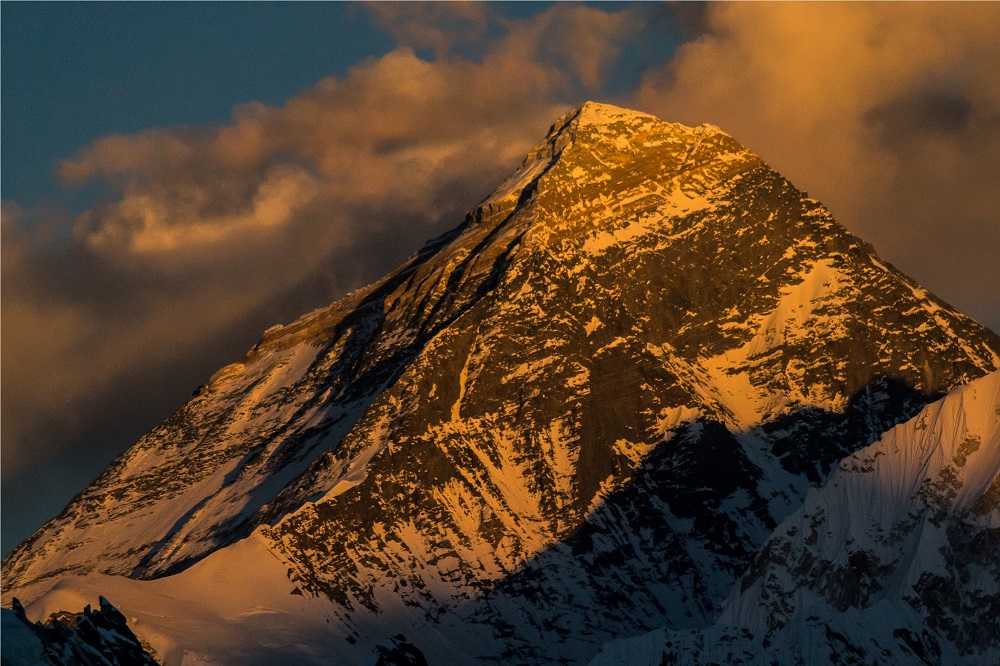
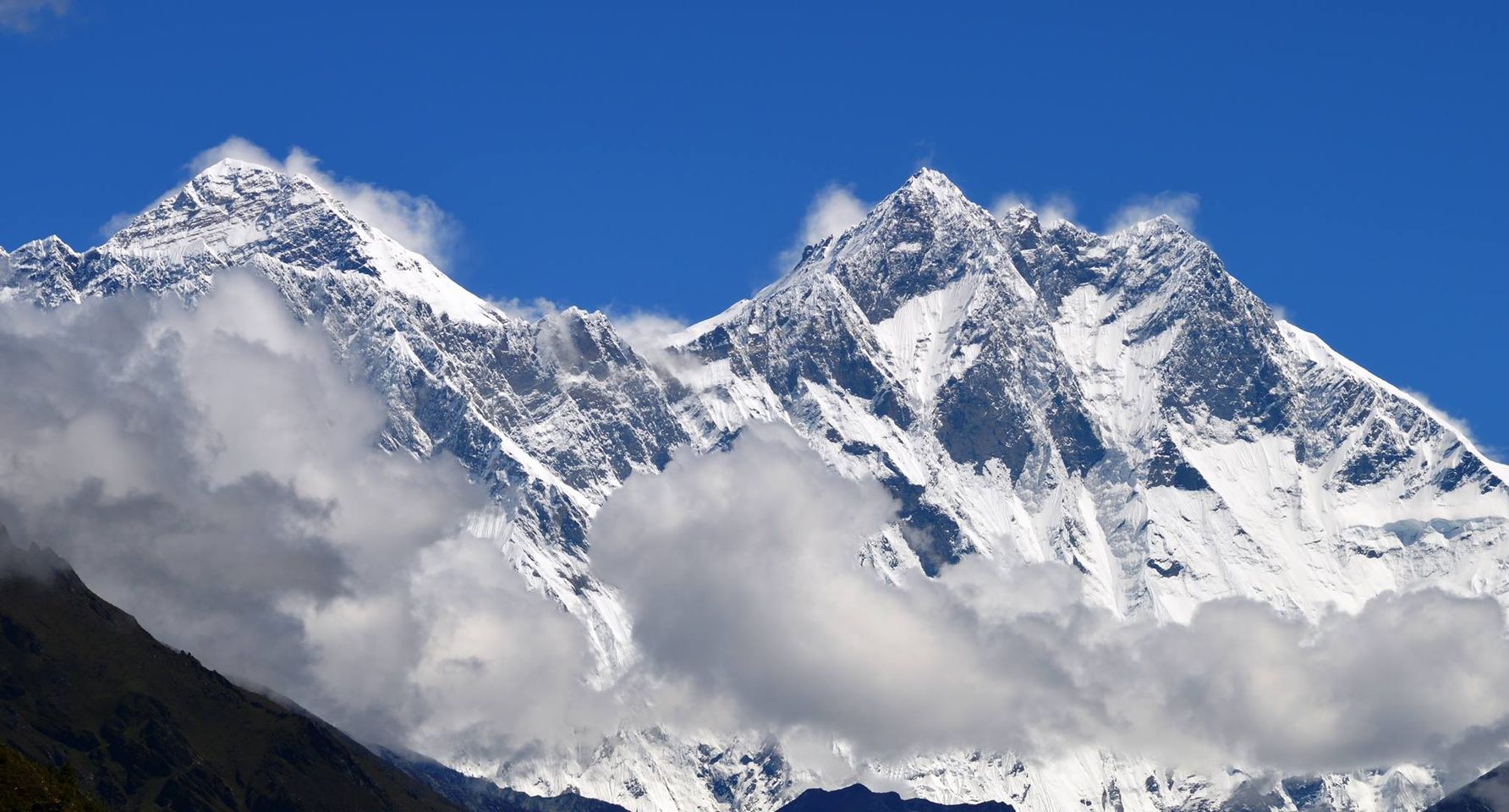
Everest file photo
The core allegations remain centered on fraud through fake paperwork and exaggerated claims rather than criminal acts of poisoning that could endanger lives in a more direct physical sense.
This distinction is important because sensational headlines can overshadow the financial and systemic nature of the crime.
Investigators emphasize that most cases involved exaggeration or staging of symptoms rather than outright toxic substances.
The focus on organized crime and national interest violations reflects this evidence-based approach. Clarifying this helps separate fact from hype and underscores that the scandal’s damage lies mainly in economic fraud and reputational harm to Nepal’s trekking industry.
Who faced charges and who is the alleged mastermind?
The CIB recommended prosecuting 33 individuals involved in the network. However, the government attorney’s office filed charges against only 32, notably dropping Rajendra Bahadur Singh, who was identified by investigators as the mastermind and a central conspirator.
Singh, former managing director of Mountain Helicopters and a former vice-president of the Airlines Operators Association, was arrested earlier but later exempted, with the charge sheet claiming insufficient evidence of his direct financial benefit.
This decision has been highly controversial, with allegations that political connections — including his reported relation to former Labour Minister Rajendra Singh Bhandari — influenced the Attorney General’s office to weaken the case.
CIB officials expressed dissatisfaction, stating Singh played a key role in coordinating the racket.
Eleven accused have been arrested so far, including owners and managers from the involved trekking and helicopter companies, as well as hospital personnel.
The remaining accused are either in custody, produced in court, or listed as absconding. The case has been registered under Section 51 of the Muluki Criminal Code (actions detrimental to national interest, punishable by up to five years imprisonment and fines) and Section 3 of the Organized Crime Prevention Act.
Critics argue that dropping the mastermind and shortening the report undermines the investigation’s integrity and may protect powerful interests in the tourism sector.
How large was the fraud and which companies were involved?
According to CIB findings, the accused used fake documents to claim nearly Rs 2.85 billion (about USD 20 million) in insurance payouts since 2022.
Company-wise breakdown of claimed rescues and fake portions reveals the scale:
* Mountain Rescue Service : Claimed 1,248 foreign tourist rescues, of which 171 were found fake, leading to claims of approximately Rs 167.30 million (or higher figures like USD 10.31 million in some reports).
* Nepal Charter Service : Claimed 471 rescues, with 75 identified as fake.
* Everest Experience and Assistance : Claimed 601 rescues, with 71 fake.
Across these three main companies, a total of 317 suspicious or fake rescues were identified. The fraud involved falsified records for helicopter evacuations and hospital treatments, with payments funneled through commissions.
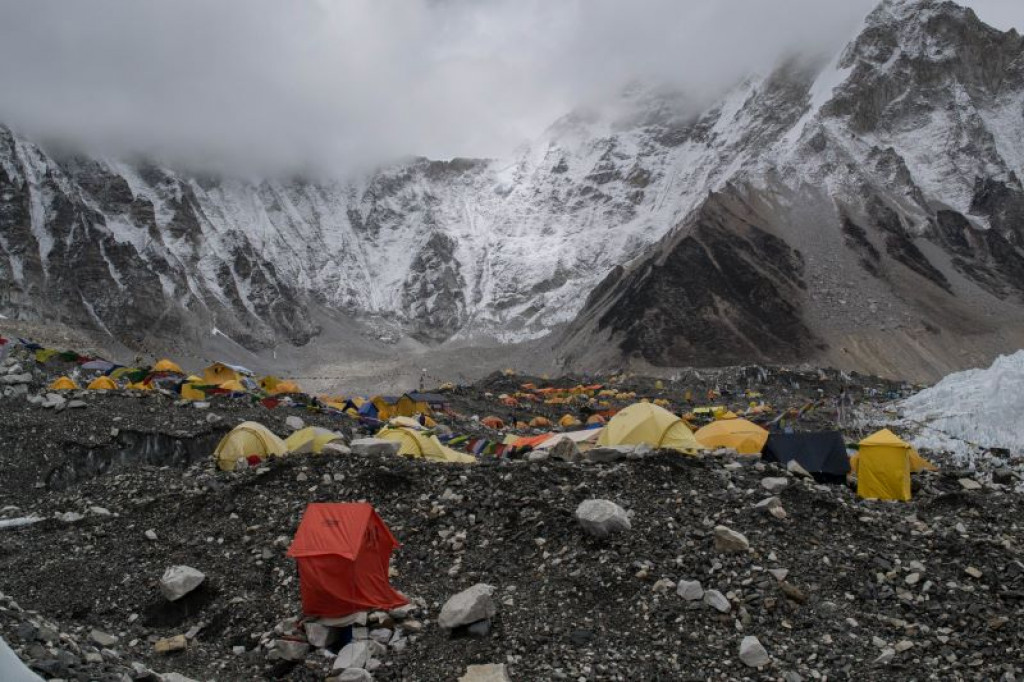
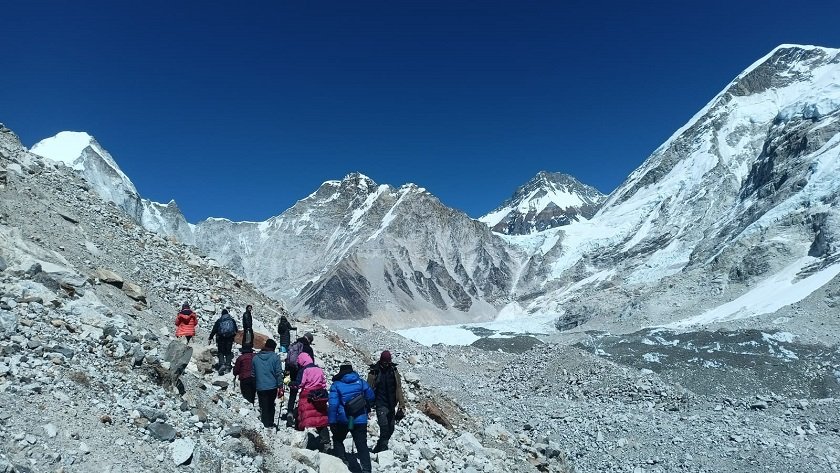
Everest Base Camp on a Stormy Day. File photo
This massive amount not only represents direct losses to international insurers but also highlights how a small network could exploit systemic gaps in oversight.
The involvement of multiple interconnected companies suggests a coordinated effort rather than isolated incidents.
While genuine rescues are a vital service in the Himalayas, these fake claims have tainted the entire sector and may lead to increased insurance premiums or reduced coverage for future trekkers.
The detailed financial trail uncovered by CIB demonstrates the sophistication and longevity of the operation.
When did the scam begin and why did it continue so long?
Concerns about suspicious rescue practices first emerged prominently in 2018, prompting a government-formed committee that produced a roughly 700-page report recommending reforms, including better oversight and reduced involvement of middlemen.
Despite announcements of changes, enforcement remained weak, allowing the practices to persist and even expand after the tourism rebound following the COVID-19 pandemic.
A fresh public complaint in September 2025 triggered the latest full-scale CIB investigation, leading to arrests starting in January 2026 and the filing of charges in March 2026.
The delay in action is attributed to insufficient monitoring, challenges in verifying remote high-altitude incidents, and possible vested interests within the industry.
The scheme continued for years because the remote terrain made independent audits difficult, and international insurers relied heavily on local documentation.
Weak regulatory follow-up after the 2018 review further enabled growth.
The current case, building on earlier findings, shows how systemic failures and lack of accountability allowed a fraud network to thrive, ultimately causing significant financial and reputational damage to Nepal’s adventure tourism.
Stronger ongoing mechanisms are now urgently needed to prevent recurrence.
What is the current status of the case?
The bail hearing concluded on April 2 in Kathmandu District Court. The prosecution is seeking confiscation of assets totaling Rs 1.51 billion from the 32 accused.
Eleven suspects are currently in custody, while others have been produced in court or remain at large.
The case proceeds under provisions of the Muluki Criminal Code and the Organized Crime Prevention Act, focusing on crimes against national interest and organized fraud.
Controversy surrounding the exemption of alleged mastermind Rajendra Bahadur Singh and the shortening of the charge sheet continues to draw public and media attention, with calls for a more robust prosecution.
The trial is expected to move forward, but the perceived weakening of the case has raised doubts about its effectiveness.
This high-profile scandal has already impacted Nepal’s trekking reputation internationally and is likely to influence policy reforms in rescue operations, insurance verification, and tourism oversight ahead of the next busy season.
Authorities face pressure to demonstrate transparency and accountability to restore confidence in the Himalayan adventure industry.
How has this scandal impacted Nepal’s trekking industry?
The exposure of the Everest rescue scam has cast a significant shadow over Nepal’s renowned trekking and mountaineering sector.
Honest operators and genuine rescue services now face increased scrutiny from both domestic regulators and international insurers, potentially leading to higher premiums, stricter policy conditions, or even reduced coverage for Himalayan trips.
Tourists may become more cautious, affecting bookings and revenue for legitimate businesses that rely on trust.
The scandal has damaged Nepal’s global image as a safe and reliable destination for adventure tourism, especially around Everest, which attracts thousands of insured international visitors annually.
On the positive side, it has prompted calls for systemic reforms, including better real-time monitoring of rescues, transparent billing practices, mandatory reporting mechanisms, and stronger coordination between government agencies, helicopter operators, hospitals, and trekking agencies.
The government and tourism authorities are under pressure to implement these changes quickly to rebuild credibility before the next peak season.
While the fraud involved only a fraction of total operations, its scale has highlighted vulnerabilities that, if addressed, could ultimately strengthen the industry’s integrity and sustainability.
Long-term, restoring international confidence will be crucial for Nepal’s tourism-dependent economy.